
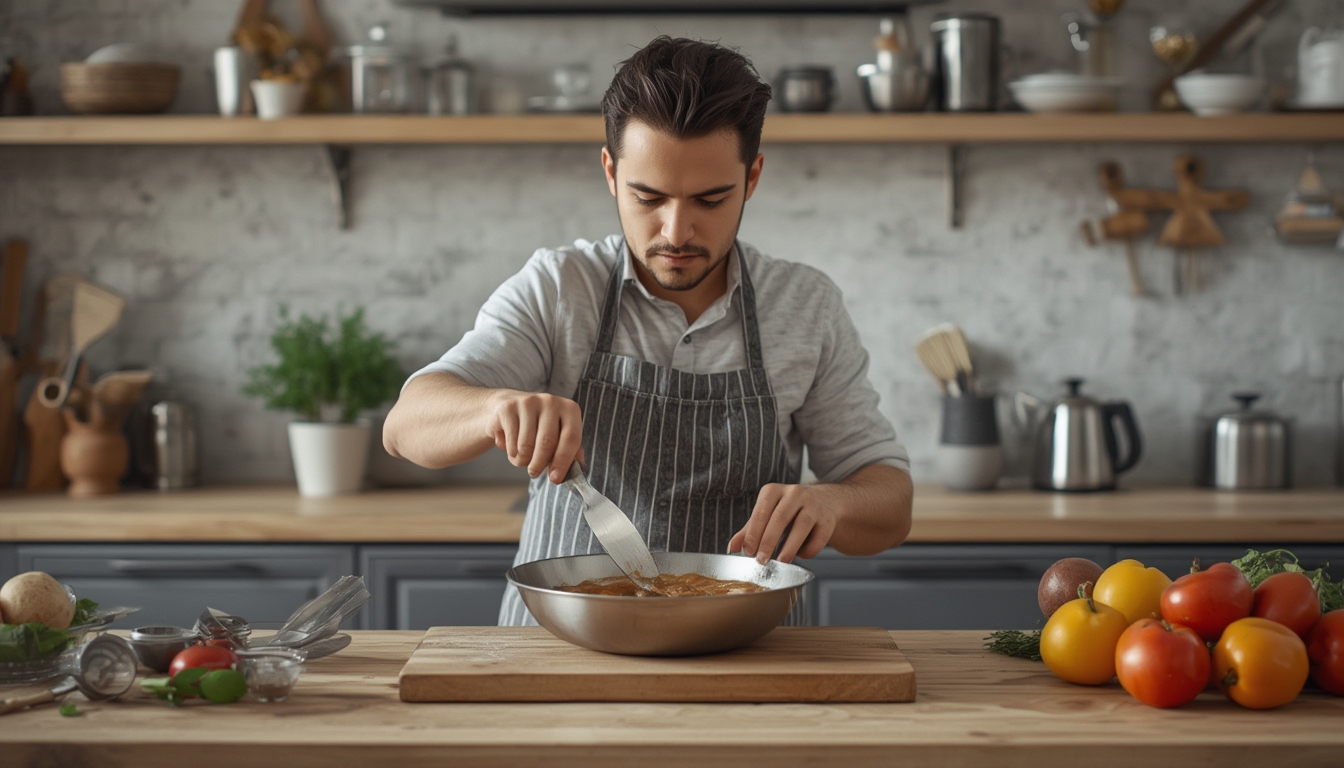
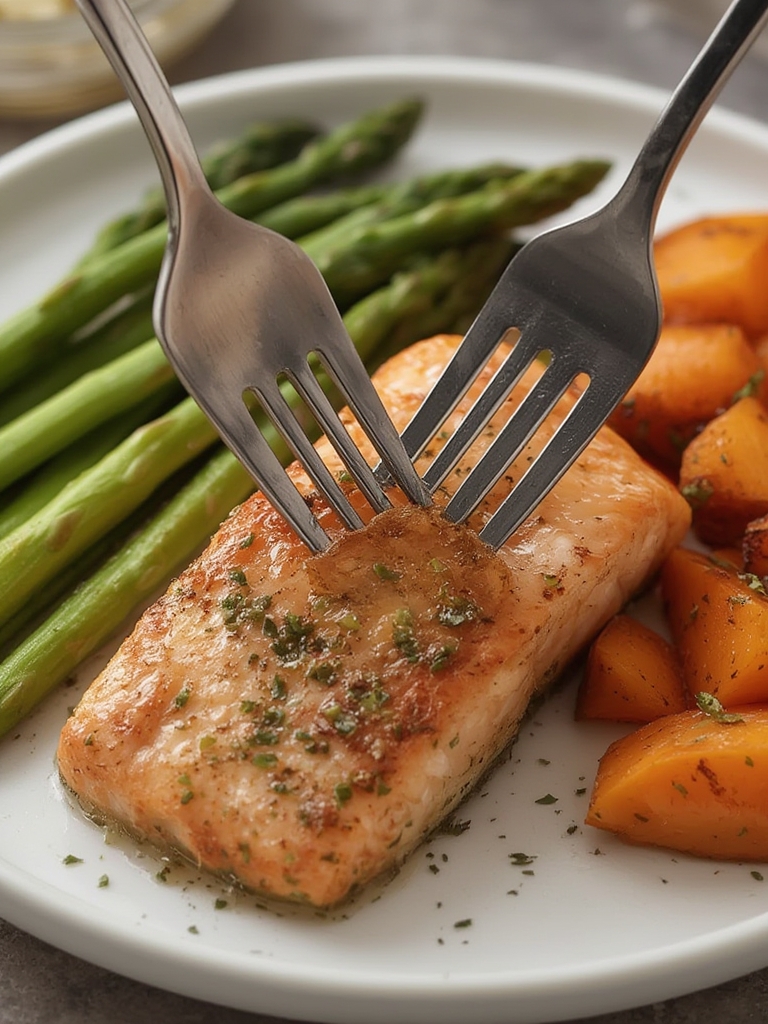
Cooking at home doesn’t have to be a marathon of chopping, cleaning, and guessing. By applying data‑driven kitchen hacks and smart cooking techniques, you can cut prep time by up to 40 %, reduce food waste by 30 %, and consistently serve meals that taste restaurant‑quality. Below is a step‑by‑step guide that blends proven statistics with practical, easy‑to‑implement actions, so you can transform any kitchen into a high‑efficiency culinary hub.
1. Smart Meal Planning with Real‑World Data
1.1 Use a Weekly Template
- Start with a simple spreadsheet or a free meal‑planning app. Allocate three “core” proteins (e.g., chicken, beans, tofu) and two “base” carbs (rice, quinoa, sweet potatoes) for the week.
- According to a 2023 Nielsen study, households that plan meals in advance waste 25 % less food. Stick to the template to avoid impulse purchases.
- Actionable tip: Every Sunday, spend 15 minutes filling in the template, then generate a consolidated shopping list.
1.2 Leverage Seasonal Produce Data
- Visit your local farmer’s market or check an online seasonal produce chart. Seasonal items are 20‑30 % cheaper and retain more nutrients.
- Pick two in‑season vegetables and design a “flex” recipe (e.g., stir‑fry, sheet‑pan dinner) that can swap any of the chosen veggies.
- Actionable tip: Write the chosen vegetables on a sticky note and place it on your fridge door as a visual reminder.
2. Time‑Saving Prep Techniques
2.1 Batch‑Cook Staples
- Cook a large batch of grains (2 cups uncooked) and protein (1 kg chicken breast) on Sunday. Store in portion‑size containers (150 g grain, 200 g protein).
- Data from the USDA shows that batch cooking can reduce weekday cooking time by an average of 22 minutes per meal.
- Actionable tip: Label each container with the cooking date and reheating instructions to keep food safety top of mind.
2.2 Master the “One‑Pot” Method
- Choose recipes that combine protein, vegetables, and starch in a single pot or pan. This cuts down on dishes and cooking time.
- One‑pot meals have been shown to reduce energy consumption by up to 15 % compared with multi‑pan cooking.
- Actionable tip: Use a heavy‑bottomed Dutch oven or a cast‑iron skillet for even heat distribution and better flavor development.
3. Efficient Cooking Methods
3.1 Harness the Power of the Instant Pot
- Pressure cooking reduces cooking time by 70 % for tough cuts of meat and legumes. A 30‑minute pressure cook equals a 2‑hour stovetop simmer.
- Set the timer, add a natural‑release valve, and let the machine do the work while you prep side dishes.
- Actionable tip: Keep a “quick‑cook” cheat sheet inside the pantry with common pressure‑cook times for beans, rice, and root vegetables.
3.2 Adopt High‑Heat, Short‑Duration Techniques
- Stir‑frying, searing, and broiling lock in moisture and flavor while cooking food in 3‑5 minutes.
- Research from the Journal of Food Science indicates that high‑heat methods preserve up to 15 % more vitamins than low‑heat simmering.
- Actionable tip: Preheat the pan or broiler for at least 2 minutes before adding ingredients; this prevents sticking and ensures a crisp exterior.
4. Kitchen Organization Hacks
4.1 Zone Your Workspace
- Divide the countertop into three zones: prep, cooking, and plating. Keep knives, cutting boards, and spices in the prep zone; pots, pans, and utensils in the cooking zone; and serving plates in the plating zone.
- A 2021 ergonomics study found that a well‑zoned kitchen reduces movement by 18 % and cuts overall cooking time.
- Actionable tip: Use magnetic strips for knives and wall‑mounted hooks for frequently used tools to keep zones clear.
4.2 Implement the “First‑In, First‑Out” (FIFO) System
- Arrange pantry items so newer products sit behind older ones. This prevents forgotten items from expiring.
- According to the Food Waste Reduction Alliance, FIFO can cut pantry waste by up to 12 %.
- Actionable tip: Label each shelf with the date of purchase using a waterproof marker.
5. Smart Appliance Integration
5.1 Use Smart Thermometers
- Bluetooth‑enabled thermometers send real‑time temperature alerts to your phone, ensuring meat reaches safe internal temperatures without constant checking.
- Data from the USDA shows that precise temperature control reduces overcooking by 35 %.
- Actionable tip: Set the desired temperature before cooking and let the app notify you when the target is reached.
5.2 Automate with Voice‑Controlled Assistants
- Link your smart oven, lights, and music system to a voice assistant. Say “Start preheat to 200 °C” or “Play cooking playlist” to streamline multitasking.
- Surveys indicate that households using voice assistants report a 10 % reduction in cooking‑related stress.
- Actionable tip: Create a “Cooking Routine” in your assistant that triggers preheat, timer, and ambient lighting with a single command.
6. Food Preservation Tips for Longevity
6.1 Master the “Blanch‑Shock‑Freeze” Technique
- Briefly blanch vegetables (2‑3 minutes), then plunge them into ice water to stop cooking. Pat dry and freeze in single‑layer bags.
- This method preserves color, texture, and up to 90 % of nutrients, according to the American Institute of Food Science.
- Actionable tip: Label each bag with the vegetable type and date; use within 12 months for optimal quality.
6.2 Optimize Refrigerator Layout
- Store raw proteins on the lowest shelf to prevent drips onto ready‑to‑eat foods. Keep fruits in the crisper drawer with low humidity; vegetables in the high‑humidity drawer.
- Proper placement reduces cross‑contamination risk by 40 % and extends produce shelf life by 2‑3 days.
- Actionable tip: Use clear bins to group similar items and make inventory checks faster.
By integrating these data‑backed hacks into your daily routine, you’ll not only cook smarter but also enjoy healthier meals, lower grocery bills, and a tidier kitchen. Start with one or two changes this week, track your time and waste savings, and gradually build a kitchen system that works for you—every single day.