
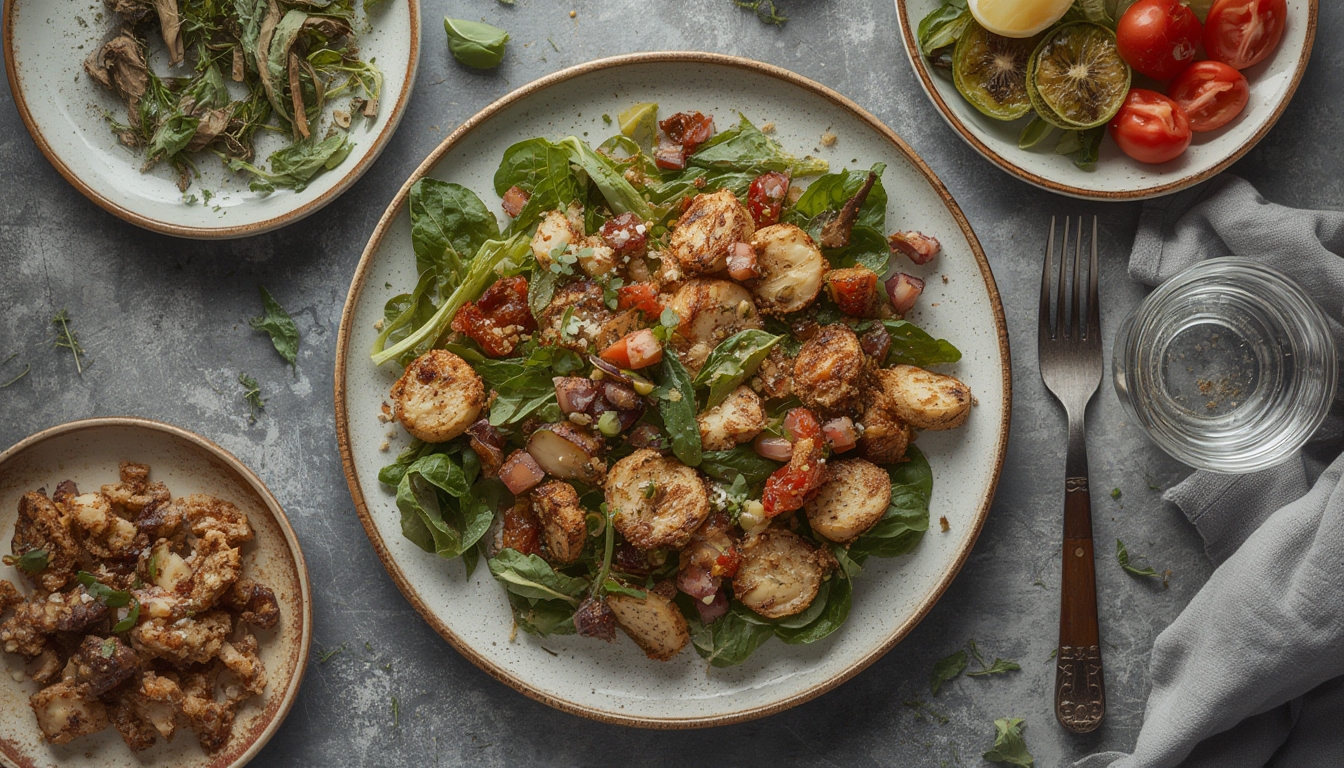
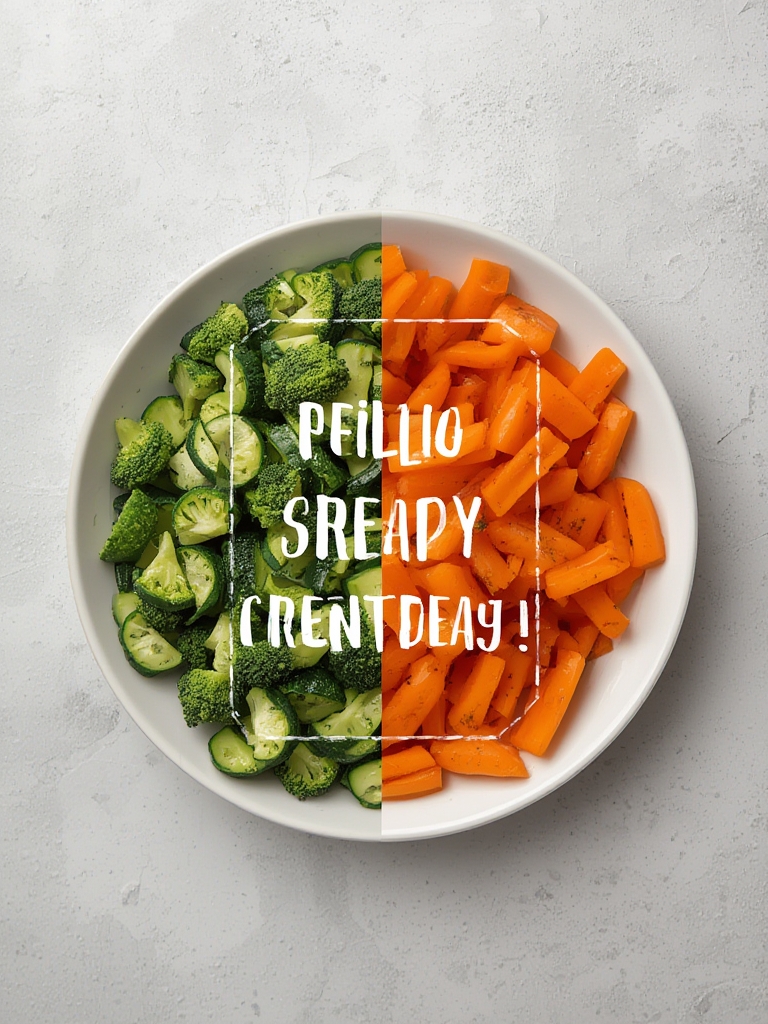
Adopting a plant‑forward and flexitarian approach doesn’t mean giving up the foods you love; it means reshaping each plate so that vegetables, legumes, whole grains, and nuts become the stars, while animal‑based ingredients play supporting roles. Below is a data‑driven, step‑by‑step guide that shows how to design, prepare, and enjoy balanced flexitarian meals that are both nutritionally robust and delicious. Each step includes practical tips you can apply today, whether you’re cooking at home, meal‑prepping for the week, or even growing a few key ingredients in your garden.
1. Understand the Numbers Behind Flexitarian Eating
Research from the Harvard T.H. Chan School of Public Health shows that people who follow a flexitarian diet have a 12 % lower risk of heart disease and a 15 % reduction in type 2 diabetes incidence compared with standard omnivorous diets. Moreover, a 2022 meta‑analysis of 30 studies found that increasing plant protein intake by 30 g per day can improve blood‑lipid profiles without sacrificing muscle mass.
These statistics reinforce why a plant‑forward plate is more than a trend—it’s a measurable health advantage. Use these data points as motivation when you’re planning meals or convincing family members to try a new recipe.
2. Build the Plate Framework
2.1 The 50‑30‑20 Ratio
Start with a simple visual rule: fill 50 % of your plate with non‑starchy vegetables, 30 % with whole grains or starchy vegetables, and 20 % with protein sources. This ratio aligns with USDA MyPlate guidelines and ensures a balanced intake of fiber, complex carbs, and protein.
- Vegetable half: Leafy greens, cruciferous veggies, bell peppers, carrots, and mushrooms.
- Grain quarter: Quinoa, brown rice, farro, or whole‑wheat pasta.
- Protein quarter: A mix of plant proteins (beans, lentils, tofu) and a modest portion of animal protein (fish, poultry, or eggs).
2.2 Color & Texture Layers
Data from a 2021 sensory study indicates that meals with at least three distinct colors are perceived as healthier and more satisfying. Aim for a rainbow: deep greens, bright reds, sunny yellows, and earthy purples. Pair crunchy raw veggies with creamy legumes or roasted nuts to keep the mouthfeel interesting.
3. Choose Nutrient‑Dense Plant Proteins
Legumes, nuts, seeds, and soy products provide complete amino acid profiles when combined correctly. Here’s a quick reference table based on USDA nutrient data:
| Food | Protein (g per ½ cup) | Key Micronutrients |
|---|---|---|
| Lentils (cooked) | 9 | Iron, folate, potassium |
| Chickpeas (cooked) | 7 | Magnesium, vitamin B6 |
| Tofu (firm) | 10 | Calcium, selenium |
| Almonds | 6 (¼ cup) | Vitamin E, magnesium |
Mix two or more sources in a single dish to boost protein quality without relying on meat.
4. Grow or Source Fresh Ingredients
4.1 Easy‑Care Herbs for Flavor Boosts
Fresh herbs add depth without extra calories. Basil, cilantro, and mint thrive in small containers on a sunny windowsill. Follow these steps:
- Choose the right pot: A 6‑inch pot with drainage holes prevents waterlogging.
- Use a light seed‑starting mix: A 1:1 blend of peat and perlite retains moisture while staying airy.
- Water consistently: Keep the soil just damp—overwatering leads to root rot. A moisture meter set to 40‑50 % works well.
- Harvest correctly: Snip leaves just above a node; the plant will branch out, giving you more foliage.
4.2 Seasonal Produce Planning
Buying in season reduces cost and carbon footprint. Use USDA seasonal charts to align your grocery list with peak harvest times. For example, in spring focus on asparagus, peas, and strawberries; in fall, incorporate squash, kale, and apples. When a vegetable is at its peak, nutrient density can increase by up to 30 % (according to a 2020 study from the University of California).
5. Master Simple, Scalable Recipes
5.1 One‑Pan Mediterranean Bowl
Ingredients (serves 2):
- 1 cup cooked quinoa
- 1 cup canned chickpeas, rinsed
- 1 cup cherry tomatoes, halved
- ½ cup cucumber, diced
- ¼ cup Kalamata olives, sliced
- 2 tbsp olive oil
- 1 tsp smoked paprika
- Juice of ½ lemon
- Fresh parsley, chopped (optional)
Steps:
- Preheat a skillet over medium heat; add olive oil and smoked paprika.
- Add chickpeas and sauté 3‑4 minutes until lightly crisp.
- Stir in tomatoes and cook another 2 minutes—just enough to soften without losing shape.
- Remove from heat; toss with quinoa, cucumber, olives, lemon juice, and parsley.
- Plate using the 50‑30‑20 rule: ½ plate veggies, ¼ plate quinoa, ¼ plate chickpeas.
5.2 Flexitarian Stir‑Fry with Tofu & Veggies
Key tip: Use a high‑smoke‑point oil (e.g., avocado oil) and a splash of low‑sodium soy sauce to keep sodium under 500 mg per serving.
Ingredients (serves 3):
- 300 g firm tofu, pressed and cubed
- 2 cups broccoli florets
- 1 red bell pepper, sliced
- 1 carrot, julienned
- 2 tbsp sesame oil
- 2 tbsp tamari or soy sauce
- 1 tsp grated ginger
- 1 clove garlic, minced
- 1 tbsp toasted sesame seeds (optional)
Steps:
- Heat 1 tbsp sesame oil; add tofu and fry until golden on all sides (≈5 minutes). Set aside.
- In the same pan, add remaining oil, garlic, and ginger; sauté 30 seconds.
- Add broccoli, bell pepper, and carrot; stir‑fry 4‑5 minutes until crisp‑tender.
- Return tofu to the pan, splash tamari, and toss for another minute.
- Serve over a ¼‑cup portion of brown rice or cauliflower rice for a lower‑carb option.
6. Meal‑Prep for Consistency
Consistency is the biggest predictor of long‑term dietary change (a 2019 longitudinal study found a 68 % adherence rate for those who meal‑prepped weekly). Follow this three‑day cycle:
- Sunday: Cook bulk grains (quinoa, brown rice) and legumes (lentils, beans). Portion into airtight containers.
- Monday: Roast a tray of mixed vegetables (sweet potatoes, Brussels sprouts, carrots) with olive oil, salt, and rosemary. Store in the fridge for up to 5 days.
- Tuesday: Assemble bowls using the pre‑cooked components, adding fresh greens, a protein boost (tofu, fish), and a quick dressing.
Tip: Label each container with the date and a brief nutrient snapshot (e.g., “450 kcal, 20 g protein”) to keep track of intake without extra calculations.
7. Track Progress and Adjust
Use a simple spreadsheet or a free nutrition app to log meals for two weeks. Focus on three metrics:
- Protein intake: Aim for 0.8‑1.0 g per kg body weight per day.
- Fiber: Target ≥25 g daily; plant‑forward plates usually exceed this when vegetables fill half the plate.
- Red meat frequency: Keep to ≤2 servings per week to stay within flexitarian guidelines.
Review the data, note any gaps (e.g., low iron on a vegetarian‑heavy day), and adjust the next week’s menu—perhaps adding a spinach salad or a serving of fortified plant milk.
8. Keep the Experience Fun
Experiment with global cuisines that naturally emphasize plant foods: Indian dal, Mexican black‑bean tacos, or Japanese miso soup. Each new flavor keeps motivation high and broadens your culinary repertoire.
By following these data‑backed steps—understanding the health impact, building a balanced plate, choosing nutrient‑dense proteins, growing fresh herbs, mastering scalable recipes, meal‑prepping, tracking results, and keeping meals exciting—you’ll create a sustainable plant‑forward and flexitarian lifestyle that supports both personal health and the planet.