
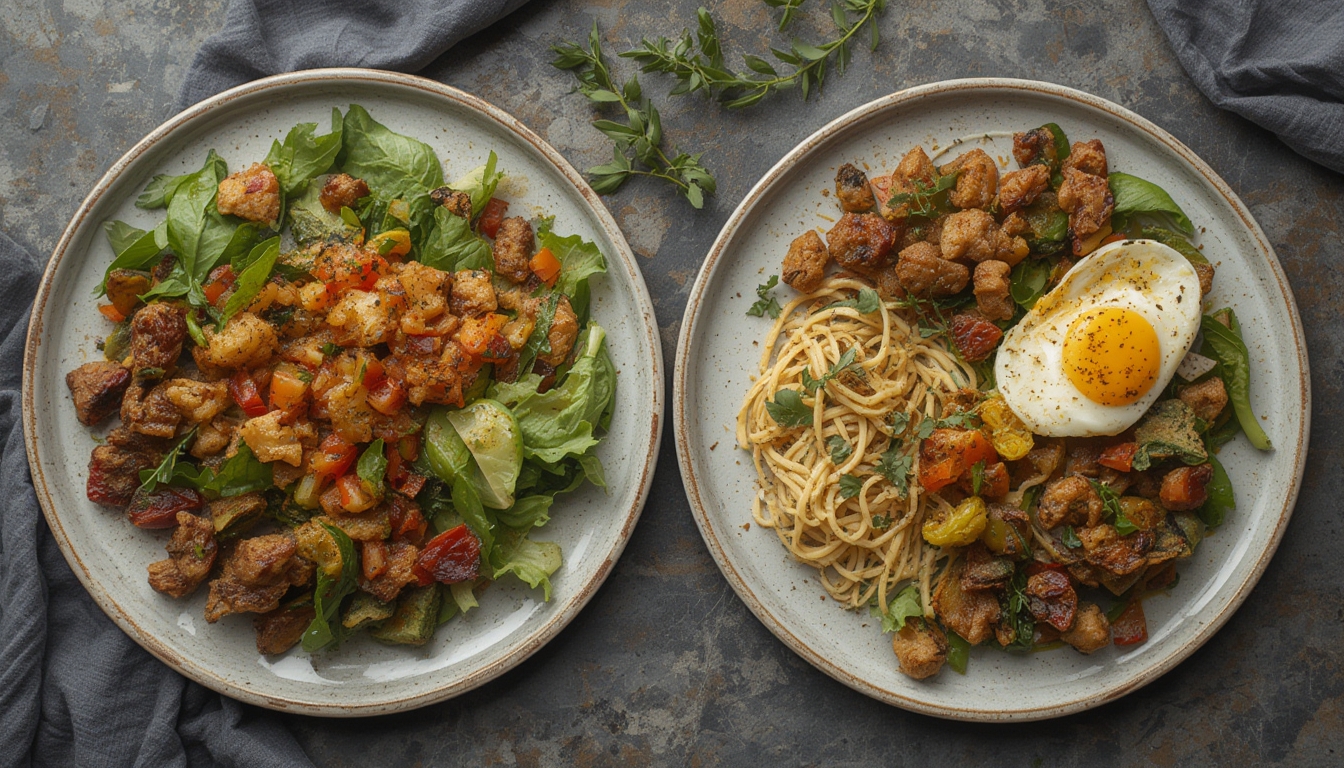

Embracing a plant‑forward and flexitarian approach doesn’t mean you have to give up the foods you love—it simply shifts the spotlight to vegetables, legumes, whole grains, and nuts while still allowing occasional animal‑based proteins. By planning each plate with intention, you can enjoy vibrant meals, boost nutrition, and reduce your environmental footprint without feeling restricted. Below is a data‑driven, step‑by‑step guide that walks you through selecting, preparing, and preserving the ingredients that make up a successful plant‑forward flexitarian plate.
Why Choose Plant‑Forward & Flexitarian Eating?
Recent studies from the Harvard T.H. Chan School of Public Health show that diets rich in plant foods are linked to a 20‑30% lower risk of heart disease and a 15% reduction in type‑2 diabetes incidence. Flexitarian patterns, which incorporate meat or fish less than three times per week, retain the health benefits of vegetarian meals while providing flexibility for social occasions and personal preferences. This balanced approach also supports sustainable agriculture: shifting just 25% of meat consumption to plant proteins could cut global greenhouse‑gas emissions by up to 10%.
Step 1: Choose Seasonal, Nutrient‑Rich Produce
Seasonal produce delivers peak flavor, higher nutrient density, and lower cost. Use local farmer’s market reports or online seasonal charts to pinpoint what’s at its prime each month.
Actionable Tips
- Check the harvest calendar: In spring, prioritize leafy greens (spinach, kale), peas, and asparagus. Summer brings tomatoes, corn, and berries. Autumn offers squash, apples, and Brussels sprouts. Winter highlights root vegetables like carrots, beets, and parsnips.
- Buy in bulk, then portion: Purchase a large bag of carrots or a crate of apples, then divide into 2‑cup freezer bags or airtight containers. This reduces waste and speeds up future meal prep.
- Inspect for freshness: Look for firm stems, vibrant colors, and minimal blemishes. Freshness correlates with higher levels of vitamins C and A, according to USDA nutrient data.
Step 2: Build a Balanced Plate
The USDA’s MyPlate model can be adapted for plant‑forward meals: ½ plate vegetables & fruits, ¼ whole grains, and ¼ protein (plant‑based first, animal‑based second).
Actionable Tips
- Color‑code your vegetables: Aim for at least three different colors per meal (e.g., red bell pepper, orange carrots, green broccoli). A diverse pigment profile signals a range of phytonutrients.
- Incorporate legumes: Add a half‑cup of cooked lentils, chickpeas, or black beans for a complete protein source. Data from the Academy of Nutrition and Dietetics shows legumes provide 8‑9 g of protein per ½ cup serving.
- Choose whole grains: Swap refined rice for quinoa, farro, or brown rice. Whole grains contribute fiber (3‑5 g per ½ cup) that supports gut health.
- Plan occasional animal protein: When you include fish or poultry, keep portions to 3‑4 oz (about the size of a deck of cards) to stay within flexitarian guidelines.
Step 3: Master Simple Cooking Techniques
Efficient cooking methods preserve nutrients and keep prep time manageable, which is crucial for busy households.
Actionable Tips
- Steam for maximum vitamin retention: Steam broccoli or green beans for 4‑5 minutes. Studies show steaming retains up to 90% of vitamin C compared to boiling.
- Roast for flavor depth: Toss cubed sweet potatoes, carrots, or cauliflower with a drizzle of olive oil, salt, and smoked paprika. Roast at 425°F (220°C) for 20‑25 minutes, turning halfway for even caramelization.
- Sauté with aromatics: Begin with a minced garlic and ginger base in a teaspoon of oil; add sliced mushrooms and leafy greens for a quick, umami‑rich side.
- Batch‑cook grains and beans: Use a rice cooker or Instant Pot to prepare large quantities. Store in the fridge for up to five days, or freeze in portioned bags for longer storage.
Step 4: Store and Preserve for Longevity
Proper storage extends the shelf life of fresh produce, reducing food waste and ensuring you always have ingredients on hand.
Actionable Tips
- Use the crisper drawer wisely: Keep high‑humidity produce (leafy greens, broccoli) in a perforated bag, and low‑humidity items (apples, carrots) in a separate drawer.
- Freeze for off‑season use: Blanch greens (e.g., spinach, kale) for 2 minutes, shock in ice water, dry, then freeze in zip‑top bags. Frozen greens retain 70‑80% of their nutrients for up to 12 months.
- Pickle quick‑preserve: Submerge sliced radishes, cucumbers, or carrots in a 1:1 mixture of apple cider vinegar and water with a pinch of salt. Store in the fridge for a tangy snack that lasts 2‑3 weeks.
- Rotate stock: Label containers with preparation dates. Use a “first‑in, first‑out” system to consume older items before newer ones.
Step 5: Flex Your Flexitarian Lifestyle
Flexibility is the core of this eating style. Adjust your plate based on social events, cravings, or nutritional needs without abandoning the plant‑forward foundation.
Actionable Tips
- Plan “flex meals” ahead: Schedule one or two meals per week where you incorporate a modest portion of fish, poultry, or lean meat. This helps you stay on track while enjoying variety.
- Use plant‑based meat alternatives wisely: Choose minimally processed options (e.g., lentil‑based patties) and pair them with whole‑grain buns and plenty of veggies.
- Track protein intake: A simple spreadsheet or phone app can log daily protein grams. Aim for 0.8‑1.0 g per kilogram of body weight, adjusting upward on active days.
- Stay hydrated: High‑fiber plant meals increase water needs. Aim for at least 2 liters of water daily, and consider herbal teas to aid digestion.
By following these data‑backed steps—selecting seasonal produce, constructing a balanced plate, mastering quick cooking methods, storing smartly, and allowing flexible protein choices—you’ll create delicious, nutrient‑dense plant‑forward flexitarian meals that fit seamlessly into a busy lifestyle. The result is a sustainable, health‑promoting way of eating that feels as satisfying as it is responsible.