
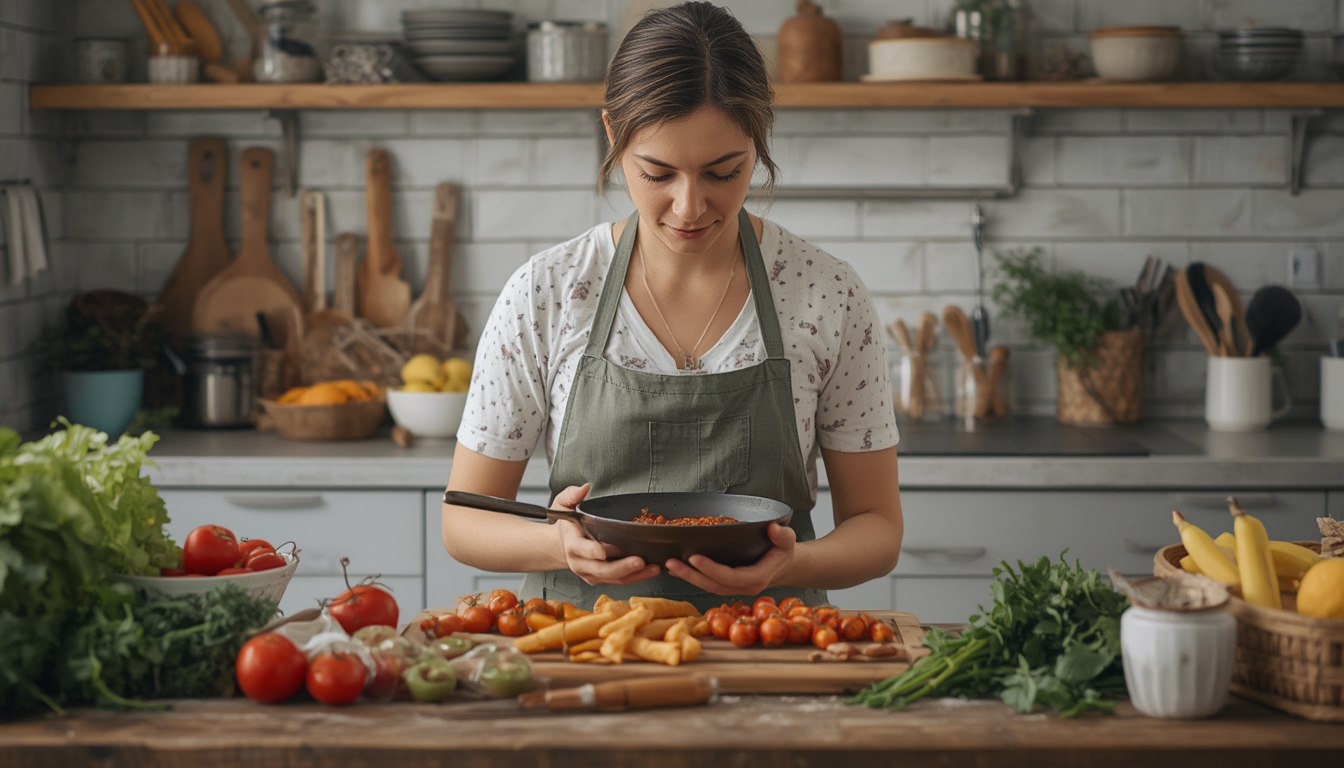
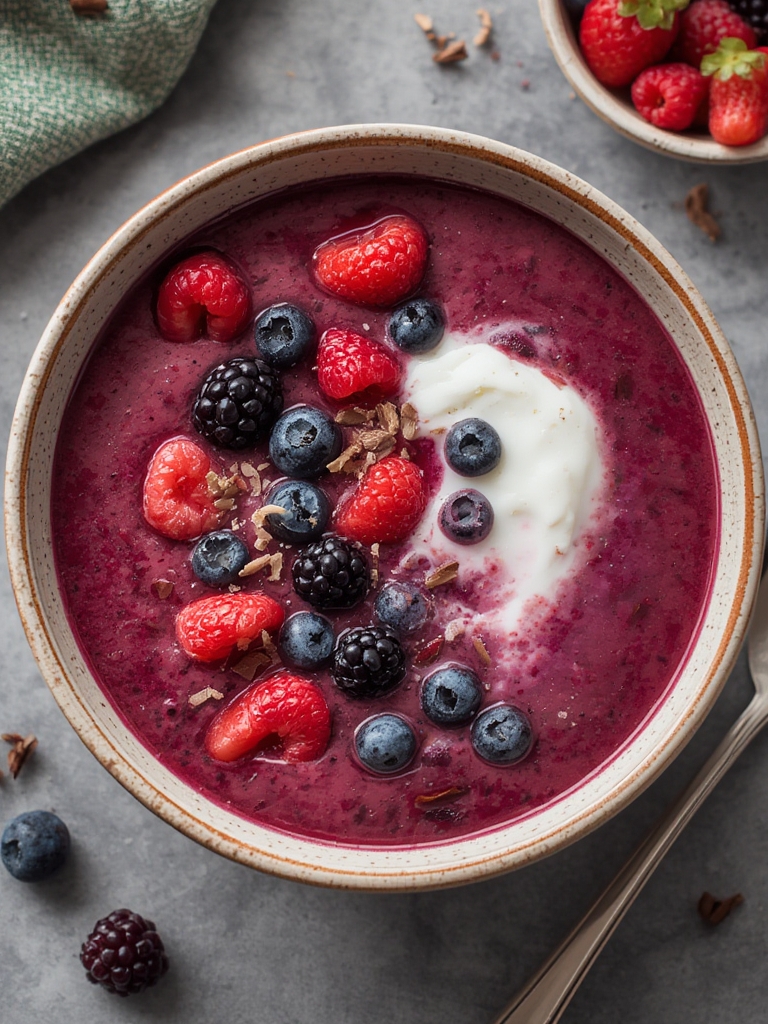
Healthy & functional cooking begins long before the skillet heats up – it starts in the garden, where nutrient‑dense plants are nurtured from seed to harvest. Growing your own kale, a versatile leafy green packed with vitamins A, C, K, and powerful antioxidants, ensures you have a fresh, organic foundation for meals that boost immunity, support digestion, and sustain energy. Below is a step‑by‑step guide to cultivating kale, followed by practical cooking tips that preserve its nutritional power.
Choosing the Right Kale Variety
Seasonal considerations
- Winter kale (e.g., ‘Dwarf Blue Curled’) thrives in cool temperatures and becomes sweeter after a light frost.
- Summer kale (e.g., ‘Lacinato’ or ‘Tuscan’) tolerates heat better but may bolt if temperatures exceed 80°F (27°C).
Seed source and quality
- Purchase certified organic seeds to avoid pesticide residues.
- Check the seed packet for germination rates (aim for 80% +).
Preparing the Planting Site
Soil testing and amendment
- Test soil pH; kale prefers a range of 6.0–7.0. Adjust with lime (to raise pH) or elemental sulfur (to lower pH).
- Incorporate 2–3 inches of compost or well‑rotted manure to improve texture and provide slow‑release nitrogen.
Location and sunlight
- Select a spot receiving at least 6 hours of direct sunlight daily. Partial shade in hot climates reduces bolting.
- Ensure good air circulation to prevent fungal diseases such as downy mildew.
Sowing and Transplanting
Direct sowing
- Sow seeds ¼ inch deep, spacing rows 18 inches apart.
- Thin seedlings to 12 inches apart once they develop two true leaves.
Transplanting seedlings
- Start seeds indoors 4–6 weeks before the last frost date.
- Transplant when seedlings have 4–5 true leaves and the outdoor temperature consistently stays above 45°F (7°C).
- Plant at the same depth as in the seed tray; water thoroughly after transplanting.
Watering and Feeding
Consistent moisture
- Provide 1–1.5 inches of water per week, either from rainfall or a drip system.
- Mulch with straw or shredded leaves to retain soil moisture and suppress weeds.
Fertilization schedule
- Apply a balanced organic fertilizer (e.g., 10‑10‑10) at planting.
- Side‑dress with compost or a nitrogen‑rich amendment (like fish emulsion) every 4–6 weeks during active growth.
Managing Pests and Diseases
Common pests
- Aphids: Spray a neem‑oil solution or introduce ladybugs.
- Cabbage loopers: Hand‑pick larvae at night; use row covers to prevent egg laying.
Preventive disease control
- Rotate crops annually; avoid planting kale or other brassicas in the same bed for more than 2 years.
- Water at the base of the plant, not overhead, to keep foliage dry.
Harvesting for Maximum Nutrition
Timing the cut
- Begin harvesting when leaves reach 6–8 inches in length.
- Pick the outer leaves first, allowing the center to continue producing new growth.
Post‑harvest handling
- Rinse gently in cool water; avoid soaking to prevent nutrient leaching.
- Pat dry with a clean towel or spin in a salad‑spinner. Store in a perforated bag in the refrigerator’s crisper drawer for up to 7 days.
From Garden to Table: Functional Cooking Techniques
Preserving antioxidants
- Steam kale for 3–4 minutes; this method retains up to 90% of its vitamin C and glucosinolates.
- If sautéing, use a high‑smoke‑point oil (e.g., avocado) and keep the heat moderate to avoid oxidation.
Flavor‑boosting pairings
- Combine kale with citrus (lemon or orange zest) to enhance iron absorption.
- Add a pinch of sea salt and a splash of apple cider vinegar to balance bitterness.
Simple, Functional Recipes Using Fresh Kale
Kale‑Power Smoothie
- Blend 1 cup of packed raw kale leaves with 1 frozen banana, ½ cup unsweetened almond milk, and 1 tablespoon chia seeds.
- Add a dash of ground ginger for anti‑inflammatory benefits.
- Blend until smooth; enjoy within 30 minutes for optimal nutrient retention.
One‑Pan Garlic‑Lemon Kale & Quinoa
- Cook ½ cup quinoa in 1 cup low‑sodium vegetable broth; set aside.
- In the same pan, heat 1 tablespoon olive oil, add 2 minced garlic cloves, and sauté for 30 seconds.
- Add 3 cups chopped kale; toss until wilted, about 2 minutes.
- Stir in the cooked quinoa, zest of one lemon, and a squeeze of lemon juice.
- Season with black pepper and a pinch of flaky sea salt; serve warm.
Cold Kale Salad with Fermented Dressing
- Massage 2 cups thinly sliced kale with 1 tablespoon olive oil and a pinch of salt for 2–3 minutes until the leaves soften.
- Mix in ¼ cup shredded carrots, ¼ cup sliced almonds, and ¼ cup dried cranberries.
- For the dressing, whisk together 2 tablespoons fermented kimchi juice, 1 tablespoon apple cider vinegar, 1 teaspoon honey, and a dash of mustard.
- Drizzle dressing over the salad, toss, and let rest for 5 minutes before serving.
Maintaining a Year‑Round Supply
Succession planting
- Plant a new batch of seeds every 3–4 weeks during the growing season to ensure a continuous harvest.
- In milder climates, grow kale in containers and move them indoors during winter for a fresh supply.
Freezing for future meals
- Blanch leaves in boiling water for 2 minutes, then shock in ice water.
- Drain, pat dry, and pack into freezer‑safe bags; store up to 6 months.
- Use frozen kale directly in soups, stews, or smoothies—no thawing needed.
By integrating these gardening practices with mindful cooking techniques, you transform kale from a simple garden plant into a cornerstone of healthy, functional meals. The result is a diet rich in phytonutrients, fiber, and flavor—supporting both everyday vitality and long‑term wellness.
