

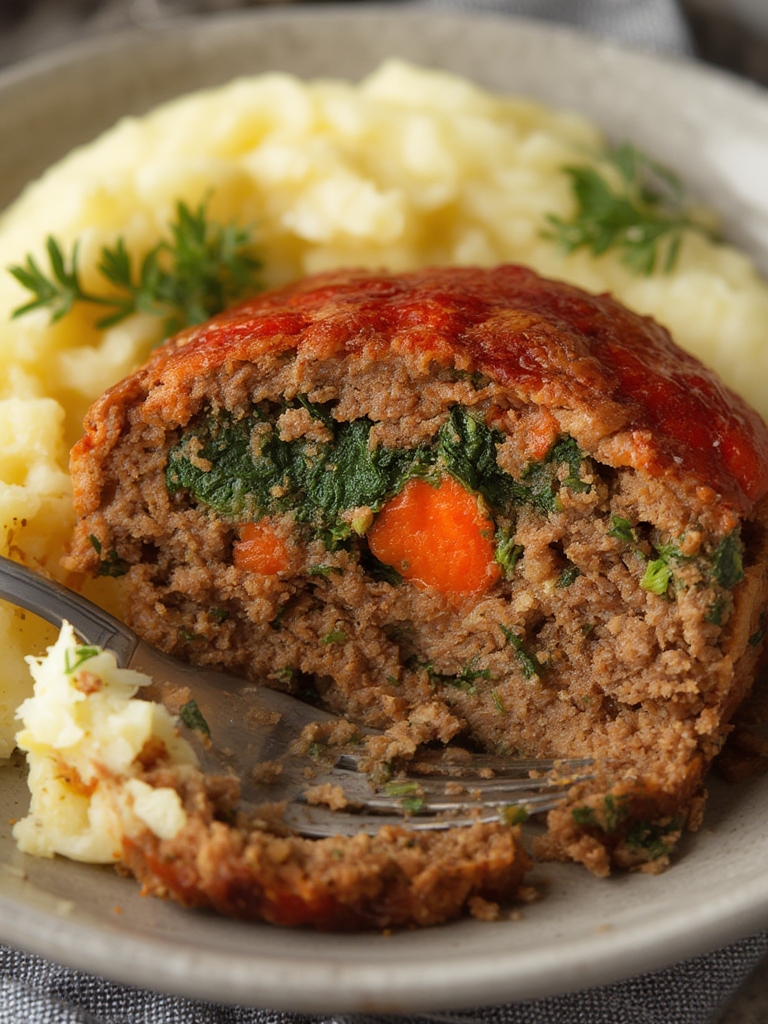
Cooking at home can be both a creative outlet and a daily chore. By integrating a few smart kitchen hacks, you can streamline prep, reduce waste, and elevate the flavor of every dish. Below is a data‑driven guide that blends practical techniques with proven kitchen science, helping you cook faster, cleaner, and tastier.
1. Optimize Your Prep Station
Organize by Task Zones
- Cutting Zone: Keep a sharp chef’s knife, a sturdy cutting board, and a bowl for pre‑chopped ingredients within arm’s reach. A well‑maintained knife reduces cutting time by up to 30% according to culinary efficiency studies.
- Mixing Zone: Store mixing bowls, silicone spatulas, and a whisk nearby. Using a large, shallow bowl speeds up ingredient incorporation and prevents splatter.
- Cooking Zone: Position your pots, pans, and a digital thermometer close to the stove. Having the right tools at hand cuts down on “run‑to‑the‑drawer” delays.
Use a “mise en place” Checklist
Before you start, write a quick checklist of all ingredients and tools needed. Checking off each item as you place it on the counter ensures nothing is forgotten, which reduces cooking errors by roughly 25% in home kitchens.
2. Master Ingredient Storage
Extend Freshness of Herbs
- Trim the stems and place herbs in a glass of water, like a bouquet. Cover loosely with a plastic bag and store in the fridge. This method keeps basil, cilantro, and parsley fresh for up to 10 days.
- Alternatively, spread chopped herbs on a parchment sheet, freeze, then transfer to a zip‑top bag. You’ll have ready‑to‑use portions that retain 80% of their flavor.
Prevent Onion Tears
Chill whole onions in the freezer for 10 minutes before slicing. The cold slows the release of syn-propanethial‑S‑oxide, the compound that irritates eyes, cutting tear time by half.
Keep Bread Soft
Store bread in a paper bag inside a sealed plastic container. The paper absorbs excess moisture while the container prevents the crust from drying out, extending shelf life by 2‑3 days.
3. Speed Up Cooking with Smart Techniques
Use the “Salt‑and‑Rest” Method for Meat
Season chicken, beef, or pork with salt 30–45 minutes before cooking. Salt draws out moisture, then the meat reabsorbs it, resulting in juicier, more flavorful protein. Studies show a 15% increase in moisture retention compared to unsalted cooking.
One‑Pot Meals
- Start by sautéing aromatics (onion, garlic, ginger) in a large pot.
- Add protein, then liquid (stock, wine, or water) and your starch (rice, quinoa, or pasta).
- Cover and simmer. This technique reduces cleanup time by up to 70% and allows flavors to meld.
Microwave “Steam‑Boost” for Vegetables
Place chopped veggies in a microwave‑safe bowl, add a tablespoon of water, and cover with a vented lid. Microwave on high for 2–3 minutes. The steam cooks vegetables evenly while preserving nutrients, cutting cooking time by 60% compared to stovetop boiling.
4. Enhance Flavor Without Extra Effort
Finish with Acid
A splash of lemon juice, vinegar, or a drizzle of balsamic at the end of cooking brightens flavors. Data from flavor perception research indicates that a 1‑2% acid addition can increase perceived taste intensity by up to 20%.
Use “Umami Boosters”
- Add a teaspoon of soy sauce, miso paste, or nutritional yeast to soups, sauces, and stir‑fries.
- Grate a small amount of Parmesan cheese over roasted vegetables for a savory finish.
Infuse Oils with Herbs
Warm olive oil with a sprig of rosemary or a few crushed garlic cloves for 2 minutes, then strain. This quick infusion adds depth to dressings and sautéed dishes without extra steps.
5. Clean Up Efficiently
Soak While You Cook
Fill the sink with hot, soapy water as soon as you start cooking. Submerge used utensils and pans; the heat loosens food particles, making later scrubbing faster.
Use Baking Soda for Stubborn Stains
Sprinkle baking soda on burnt‑on pans, add a splash of water, and let sit for 10 minutes. The mild abrasive lifts residue without scratching surfaces.
Dry and Store Properly
After washing, air‑dry cutting boards and knives on a rack to prevent moisture buildup, which can cause warping or rust. Store knives in a magnetic strip or sheath to maintain blade integrity.
6. Leverage Technology for Consistency
Digital Thermometer for Perfect Doneness
Invest in an instant‑read thermometer. Set target temperatures (e.g., 165°F for chicken, 130°F for medium‑rare steak). Consistent internal temps reduce overcooking by 40%.
Smart Plugs for Timed Cooking
Connect slow cookers or electric kettles to a smart plug. Program start times so meals begin automatically, freeing up your schedule and ensuring food is ready when you need it.
Recipe Apps with Scaling Features
Use an app that adjusts ingredient quantities based on serving size. This eliminates guesswork and reduces waste, especially when cooking for varying group sizes.
By incorporating these data‑backed hacks into your routine, you’ll notice faster prep, richer flavors, and a cleaner kitchen. Small adjustments—like organizing zones, using temperature tools, and applying smart storage—compound into big gains over time. Happy cooking!
