
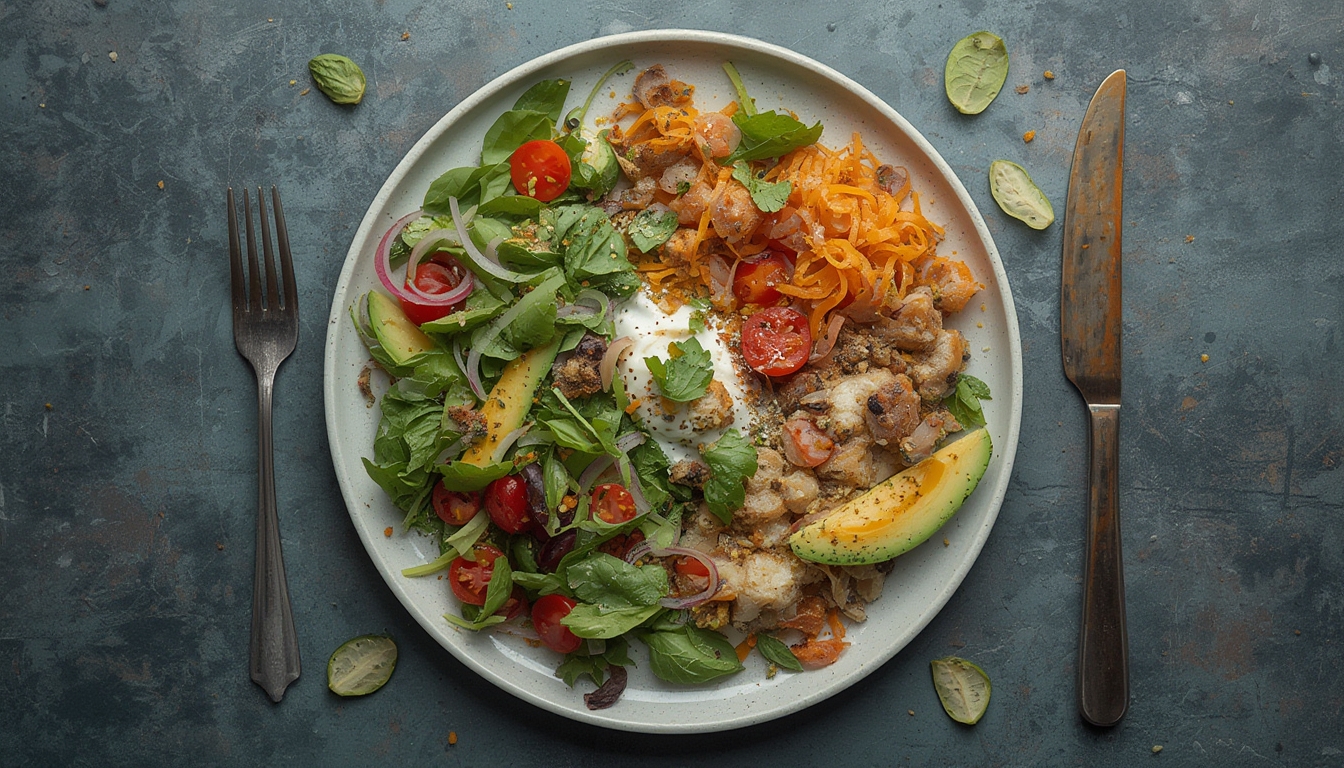

Embracing a plant‑forward and flexitarian approach means designing plates that spotlight vegetables, legumes, whole grains, and modest portions of animal protein. This style not only supports personal health—lowering risks of heart disease, diabetes, and certain cancers—but also reduces environmental impact by cutting down on meat consumption. Below is a data‑driven, step‑by‑step guide to creating vibrant, balanced plates that are easy to replicate in any kitchen.
Why Plant‑Forward & Flexitarian Plates Work
Research from the Harvard T.H. Chan School of Public Health shows that diets rich in plant foods can reduce mortality risk by up to 30 %. Meanwhile, a 2022 study in *Nature Food* found that shifting 25 % of global meat intake to plant proteins could cut greenhouse‑gas emissions by 15 %. These numbers underscore the dual benefit of health and sustainability when you prioritize plants on your plate.
Step 1: Choose Seasonal, Nutrient‑Rich Vegetables
Identify What’s In Season
Seasonal produce offers peak flavor, higher nutrient density, and lower cost. Use local farmers’ market calendars or apps like Seasonal Food Guide to pinpoint what’s fresh. For example, in spring you’ll find asparagus, peas, and radishes; in autumn, think squash, kale, and carrots.
Actionable Tip
- Buy a small “rainbow” of colors each week—aim for at least five different hues to maximize phytonutrient variety.
- Store leafy greens in a paper towel‑lined container to keep them crisp for up to 7 days.
Step 2: Incorporate Protein‑Rich Plant Sources
Legumes, Nuts, and Seeds
Data from the USDA’s FoodData Central indicates that a half‑cup of cooked lentils provides 9 g of protein and 8 g of fiber. Pair legumes with whole grains (e.g., quinoa‑lentil salad) to create a complete amino‑acid profile.
Actionable Tip
- Rinse dried beans before soaking to remove anti‑nutrients; soak for 8‑12 hours, then cook in fresh water.
- Toast nuts and seeds lightly (3‑5 minutes at 350 °F) to enhance flavor without burning.
Step 3: Add Whole Grains for Sustained Energy
Select High‑Fiber Options
Whole grains such as farro, barley, and brown rice have a glycemic index (GI) between 45‑55, providing steady blood‑sugar release. A study in *The Lancet* links low‑GI diets to a 20 % reduction in type‑2 diabetes incidence.
Actionable Tip
- Rinse grains under cold water to remove excess starch, then simmer with a 2:1 water‑to‑grain ratio; add a pinch of salt for flavor.
- Cook a large batch (2 cups dry) on Sunday and store in airtight containers for quick weekday meals.
Step 4: Introduce Small, High‑Quality Animal Proteins (Flexitarian Element)
Choose Lean Cuts and Sustainable Sources
When you include animal protein, opt for lean poultry, wild‑caught fish, or responsibly raised eggs. The EPA reports that a 3‑ounce serving of wild salmon provides 22 g of omega‑3 fatty acids while emitting less CO₂ than farmed varieties.
Actionable Tip
- Grill or bake chicken breast at 375 °F for 20‑25 minutes; internal temperature should reach 165 °F.
- For fish, use the “finger test”: the flesh should flake easily when pressed with a fork.
Step 5: Build Flavor with Herbs, Spices, and Healthy Fats
Layering Taste Without Excess Salt
Meta‑analysis of 30 trials published in *Nutrients* shows that herbs and spices can reduce sodium intake by up to 30 % while maintaining palatability. Combine fresh basil, cilantro, or dill with a drizzle of extra‑virgin olive oil (EVOO) for a heart‑healthy finish.
Actionable Tip
- Make a “herb‑oil” by whisking 2 tbsp EVOO with minced garlic, lemon zest, and chopped parsley; let sit 10 minutes before drizzling.
- Store dried spices in a dark, cool place; replace every 2‑3 years to preserve potency.
Step 6: Assemble the Plate Using the “Plate Method”
Visual Balance for Portion Control
The Harvard Plate Method recommends filling half the plate with vegetables, a quarter with whole grains, and a quarter with protein (plant or animal). This visual guide helps maintain calorie balance without counting.
Actionable Tip
- Start with a base of greens (spinach, arugula) to create volume without many calories.
- Add a scoop of grain, then top with a protein source; finish with a spoonful of sauce or vinaigrette.
Step 7: Optimize Storage and Meal Prep
Keep Ingredients Fresh and Ready
According to a 2021 survey by the American Dietetic Association, 70 % of people who meal‑prep report higher diet quality. Proper storage extends shelf life and reduces waste.
Actionable Tip
- Portion cooked grains and legumes into individual containers; label with date.
- Wrap cut vegetables in a damp paper towel inside a zip‑lock bag to retain crispness for up to 5 days.
Step 8: Evaluate and Adjust Based on Data
Track Nutrient Intake and Satisfaction
Use free apps like MyFitnessPal or Cronometer to log meals for a week. Look for patterns: if protein feels low, add an extra legume serving; if you’re feeling sluggish, increase whole‑grain portions.
Actionable Tip
- Set a weekly “plate review”—take a photo of your meals and note energy levels, then tweak ingredients accordingly.
- Aim for a fiber intake of 25‑30 g per day; if you’re below, incorporate more beans, berries, or chia seeds.
By following these eight data‑backed steps, you’ll create plant‑forward and flexitarian plates that are nutritious, delicious, and environmentally conscious. The process is repeatable, adaptable to seasonal changes, and supported by scientific evidence—making it a sustainable habit for long‑term health.