
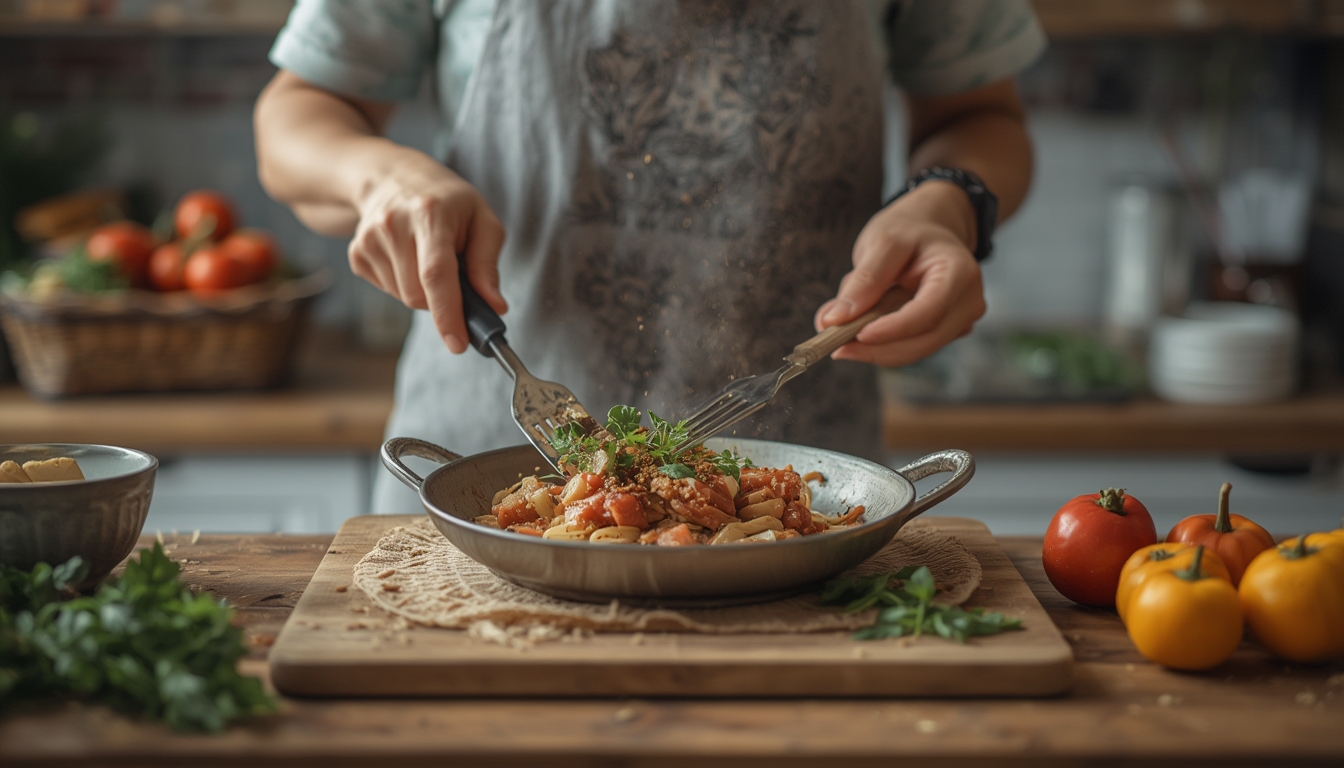

Healthy & functional cooking isn’t just about what ends up on the plate—it starts in the garden, where fresh, nutrient‑dense ingredients are cultivated with care. By growing your own herbs, leafy greens, or root vegetables, you guarantee peak flavor, maximum nutritional value, and a deeper connection to the meals you prepare. Below is a step‑by‑step guide that blends practical gardening techniques with culinary inspiration, so you can harvest, prep, and transform home‑grown produce into vibrant, health‑boosting dishes.
Choosing the Right Plant for Functional Nutrition
Why Kale and Swiss Chard Shine
Kale and Swiss chard are powerhouse greens packed with vitamins A, C, K, and minerals like calcium and magnesium. Their robust texture holds up well in sautés, soups, and smoothies, making them ideal for functional recipes that support immunity, bone health, and detoxification.
Herbs That Elevate Flavor and Health
Mint, rosemary, and thyme not only add aromatic depth but also contain antioxidants and anti‑inflammatory compounds. Fresh herbs reduce the need for excess salt or processed sauces, keeping dishes light yet satisfying.
Step‑by‑Step: Growing Your Functional Greens
1. Soil Preparation
Start with a well‑draining mix of compost, peat moss, and perlite (3:1:1). This blend retains moisture while preventing waterlogging—a common cause of root rot. Before planting, sprinkle a handful of bone meal or a balanced organic fertilizer (10‑10‑10) to boost nitrogen, essential for leafy growth.
Tip: Test soil pH; kale thrives at 6.0‑7.0, while Swiss chard tolerates slightly more acidic conditions (5.5‑6.5). Adjust with lime (to raise pH) or sulfur (to lower pH) as needed.
2. Sowing Seeds
Scatter seeds thinly over the prepared bed, covering them with a ¼‑inch layer of soil. For a continuous harvest, sow a new batch every two weeks throughout the growing season.
Actionable advice: Water gently with a fine mist to avoid displacing seeds. Keep the soil consistently moist until seedlings emerge (usually 5‑10 days).
3. Light and Temperature
Both kale and Swiss chard prefer full sun (6‑8 hours daily) but can tolerate partial shade, especially in hotter climates. Ideal daytime temperatures range from 60‑70°F (15‑21°C). If temperatures exceed 80°F, provide afternoon shade using a row cover or lightweight cloth.
Quick tip: Rotate the planting area each season to prevent soil‑borne diseases and maintain soil fertility.
4. Watering and Mulching
Water deeply at the base of the plant twice a week, allowing the soil to dry slightly between sessions. Mulch with straw or shredded leaves to conserve moisture, suppress weeds, and regulate soil temperature.
Practical trick: Use a drip irrigation system or soaker hose to deliver water directly to the root zone, reducing leaf wetness and disease risk.
5. Feeding and Pest Management
Apply a side‑dressing of compost or a liquid kelp extract every 3‑4 weeks to sustain vigorous growth. Monitor for common pests—cabbage loopers, aphids, and flea beetles. Hand‑pick larger insects and use neem oil or insecticidal soap for smaller infestations.
Actionable tip: Plant companion crops like nasturtium or marigold nearby; their strong scent deters many pests naturally.
6. Harvesting at Peak Nutrition
Begin harvesting outer leaves once they reach 4‑6 inches in length. Cutting the top leaves encourages new growth and extends the plant’s productive life. For Swiss chard, harvest the stems and leaves together for a balanced texture.
Quick win: Harvest in the early morning when sugar content is highest, preserving flavor and nutritional potency.
Transforming Garden Fresh Produce into Functional Meals
Morning Power Smoothie with Kale
Blend 1 cup of raw kale leaves, ½ banana, ½ cup frozen berries, 1 tablespoon chia seeds, and 1 cup unsweetened almond milk. The combination delivers antioxidants, omega‑3 fatty acids, and fiber to support digestion and sustained energy.
Hearty Swiss Chard Soup
Saute 1 diced onion and 2 minced garlic cloves in olive oil until translucent. Add 4 cups vegetable broth, 2 chopped carrots, and 1 cup diced potatoes. Simmer 15 minutes, then stir in 2 cups chopped Swiss chard stems and leaves. Cook an additional 5 minutes, finish with a squeeze of lemon juice and a pinch of sea salt. This soup offers a balanced mix of vitamins, minerals, and electrolytes, perfect for post‑workout recovery.
Herb‑Infused Grilled Chicken
Mix 2 tablespoons chopped fresh rosemary, 1 tablespoon thyme, 1 minced garlic clove, zest of one lemon, and 2 tablespoons olive oil. Marinate chicken breasts for at least 30 minutes, then grill over medium heat for 6‑7 minutes per side. The herb blend adds anti‑inflammatory compounds while keeping the dish low in saturated fat.
Mint‑Lime Quinoa Salad
Cook 1 cup quinoa according to package instructions; let cool. Toss with ¼ cup finely chopped fresh mint, 1 diced cucumber, ½ cup halved cherry tomatoes, and the juice of two limes. Drizzle with a teaspoon of honey and a pinch of black pepper. This salad provides plant‑based protein, antioxidants, and a refreshing palate cleanser.
Maintaining Consistency: Small Daily Practices
Morning Garden Check
Spend five minutes each morning scanning for wilted leaves, pest activity, or soil dryness. Early detection prevents larger issues and keeps plants thriving.
Batch Prep for the Week
Wash, dry, and store harvested greens in a breathable produce bag with a paper towel to absorb excess moisture. This extends freshness for up to a week, ensuring you always have ready‑to‑use ingredients.
Seasonal Rotation
At the end of the growing season, compost spent plant material and amend the soil with fresh compost. Rotate crops to a different section of the garden to break pest cycles and replenish soil nutrients.
By integrating mindful gardening with purposeful cooking, you create a sustainable loop where each step reinforces the other. Freshly harvested greens retain their full spectrum of nutrients, and functional recipes amplify those benefits, supporting overall health, vitality, and a deeper appreciation for the food you serve.