
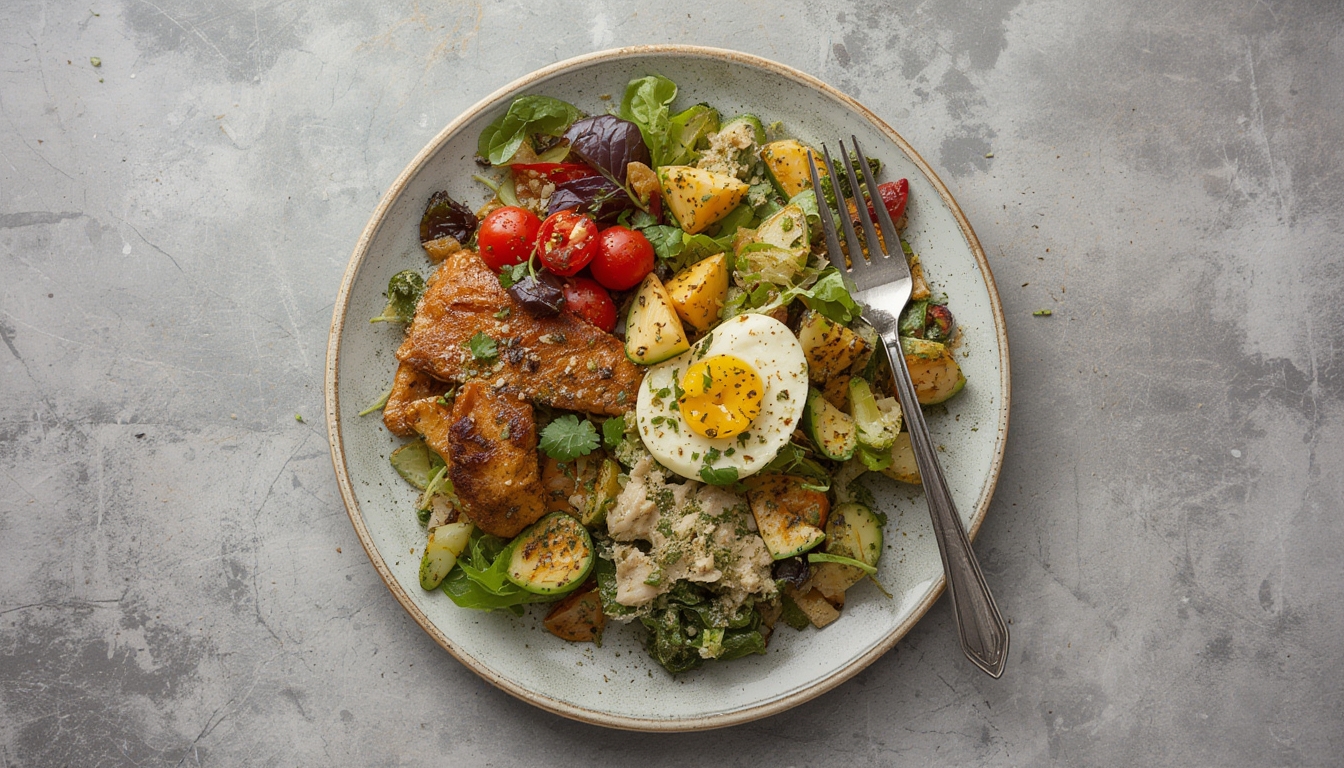
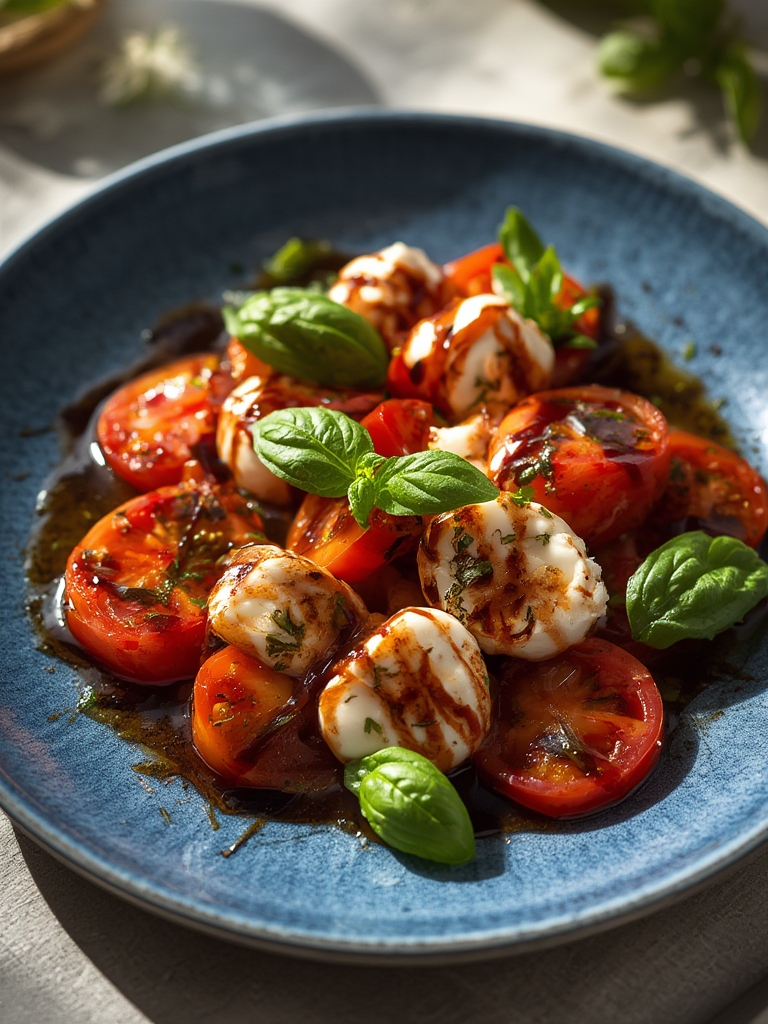
Adopting a plant‑forward and flexitarian approach doesn’t mean you have to give up flavor or nutrition. By treating vegetables, legumes, whole grains, and nuts as the stars of every plate, you can enjoy meals that are both satisfying and aligned with the latest health and sustainability data. Below is a step‑by‑step guide that blends scientific insights with practical kitchen tactics, helping you build a reliable routine for creating vibrant, balanced plates that keep you energized and reduce your environmental footprint.
1. Choose Nutrient‑Dense Foundations
Data from the Harvard T.H. Chan School of Public Health shows that meals centered on plant foods can reduce the risk of heart disease by up to 30 %. Start each plate with a base that maximizes fiber, protein, and micronutrients.
Step 1A: Pick Whole Grains
- What to buy: quinoa, farro, brown rice, or barley.
- Why it matters: Whole grains provide 3–5 g of fiber per serving and a steady release of complex carbs, stabilizing blood sugar.
- Actionable tip: Rinse grains under cold water, then use a 2:1 water‑to‑grain ratio. Bring to a boil, reduce to a simmer, and cover for the time indicated on the package (usually 15–25 minutes). Fluff with a fork and let sit for 5 minutes before serving.
Step 1B: Add Legume Power
- What to buy: canned or dry chickpeas, lentils, black beans, or edamame.
- Why it matters: Legumes contribute 15–18 g of protein per cup and are rich in iron and folate.
- Actionable tip: If using dry beans, soak overnight (8 hours) and then simmer for 60–90 minutes. For canned beans, rinse twice to remove excess sodium and toss into the pan for a quick 5‑minute warm‑up.
2. Layer Colorful Vegetables for Phytonutrients
Research published in Frontiers in Nutrition links a diverse palette of vegetables to higher antioxidant intake, which supports immune health. Aim for at least three colors per plate.
Step 2A: Roast Root Vegetables
- What to use: carrots, sweet potatoes, beets, and parsnips.
- Why it matters: Roasting at 200 °C (400 °F) caramelizes natural sugars, enhancing flavor without added fats.
- Actionable tip: Cut vegetables into uniform 1‑inch pieces, toss with 1 tbsp olive oil, a pinch of sea salt, and dried thyme. Spread on a parchment‑lined sheet and roast for 25–30 minutes, stirring halfway.
Step 2B: Sauté Leafy Greens Quickly
- What to use: kale, spinach, Swiss chard, or bok choy.
- Why it matters: Greens are high in vitamin K, calcium, and lutein, supporting bone and eye health.
- Actionable tip: Heat 1 tbsp sesame oil in a skillet over medium‑high heat. Add a minced garlic clove, then the greens. Toss for 2–3 minutes until wilted but still bright. Finish with a splash of lemon juice and a sprinkle of toasted sesame seeds.
3. Incorporate Healthy Fats and Flavor Boosters
Meta‑analyses show that adding moderate amounts of unsaturated fats improves satiety and nutrient absorption. Choose fats that also contribute texture and depth.
Step 3A: Dress with Homemade Vinaigrette
- Ingredients: 3 parts extra‑virgin olive oil, 1 part apple cider vinegar, 1 tsp Dijon mustard, a pinch of sea salt, and freshly cracked black pepper.
- Why it matters: The acid in vinegar helps release fat‑soluble vitamins (A, D, E, K) from vegetables.
- Actionable tip: Whisk all ingredients in a small jar, then shake vigorously for 10 seconds. Drizzle over the assembled plate just before serving.
Step 3B: Add Nuts or Seeds for Crunch
- Options: toasted pumpkin seeds, chopped almonds, or hemp hearts.
- Why it matters: These provide omega‑3 fatty acids, magnesium, and a satisfying bite.
- Actionable tip: Toast nuts in a dry skillet over medium heat for 3–4 minutes, stirring frequently to avoid burning. Sprinkle a tablespoon over each serving.
4. Balance Portion Sizes with the Plate Method
The American Heart Association recommends a visual “plate” model: ½ vegetables, ¼ whole grains, and ¼ protein. This simple ratio ensures you meet macro‑ and micronutrient targets without counting calories.
Step 4A: Assemble the Plate
- Lay down the cooked whole grain as the foundation (≈½ cup cooked).
- Arrange the legume protein next to it (≈¼ cup cooked).
- Fill the remaining half of the plate with a mix of roasted and sautéed vegetables.
- Top with the vinaigrette, nuts, and a fresh herb garnish (e.g., cilantro or parsley).
Step 4B: Adjust for Activity Level
- Low‑activity days: Keep the grain portion at ½ cup and increase veggies.
- High‑activity days: Boost the grain to ¾ cup and add an extra ¼ cup legumes for extra protein.
5. Store and Reheat for Meal Prep Success
According to a 2023 study in Food Chemistry, properly stored plant‑forward meals retain >90 % of their antioxidant capacity for up to 4 days.
Step 5A: Cool Before Refrigerating
- Spread cooked grains, legumes, and vegetables on a large tray to cool to room temperature within 30 minutes.
- Transfer to airtight containers (glass or BPA‑free plastic) and label with the date.
Step 5B: Reheat Without Losing Texture
- Microwave: Use 50 % power for 2 minutes, stir, then continue in 30‑second bursts.
- Stovetop: Add a splash of water or broth to the pan, cover, and heat over medium‑low for 4–5 minutes, stirring occasionally.
By following these data‑backed steps, you’ll create plant‑forward and flexitarian plates that are nutritionally robust, delicious, and easy to replicate throughout the week. Consistency is key—once the routine becomes habit, you’ll notice improved energy levels, better digestion, and a tangible reduction in your food‑related carbon footprint.