
Embracing a plant‑forward and flexitarian lifestyle doesn’t mean you have to give up the foods you love—it simply shifts the spotlight to vegetables, legumes, whole grains, and sustainably sourced proteins while still allowing occasional animal‑based meals. By planning each plate with intention, you can boost nutrition, reduce your environmental footprint, and keep meals exciting. Below is a data‑driven, step‑by‑step guide that walks you through sourcing, preparing, and maintaining a vibrant plant‑forward flexitarian kitchen.
1. Assess Your Kitchen Baseline
Audit Your Pantry and Fridge
- Inventory existing staples: List grains, beans, nuts, and frozen vegetables. A quick spreadsheet (Google Sheets or Excel) helps you see what you already have and what you need to restock.
- Identify gaps: According to the 2023 USDA Food Availability data, households that increase legume consumption by 30 % see a 12 % rise in dietary fiber. Prioritize adding lentils, chickpeas, and black beans.
- Set a “plant‑first” rule: For every new ingredient you buy, aim to have at least two plant‑based items ready to pair with it.
Measure Current Protein Sources
- Track how many meals per week include meat, fish, or dairy. Use a simple tally in a notebook or phone app.
- Goal: Shift at least 2–3 meals per week to plant‑based proteins (e.g., tofu, tempeh, beans). Research shows that replacing one meat meal per week with a plant protein can cut greenhouse gas emissions by up to 0.5 kg CO₂e.
2. Build a Seasonal Plant‑Forward Shopping List
Leverage Seasonal Data
- Consult the National Seasonal Produce Calendar to choose vegetables at peak freshness and lowest cost.
- Data from the USDA shows that buying in‑season produce can increase nutrient density by up to 15 %.
Choose Versatile Staples
- Whole grains: Quinoa, farro, brown rice – great bases for bowls.
- Legumes: Canned or dried beans; soak dried beans overnight to reduce cooking time by 30 %.
- Leafy greens: Kale, spinach, Swiss chard – keep a mix for salads and sautés.
- Root vegetables: Sweet potatoes, carrots, beets – store in a cool, dark place for up to 2 months.
3. Master Plant‑Forward Cooking Techniques
Batch‑Cook Grains and Legumes
- Cook a large pot of quinoa (1 cup dry = 3 cups cooked) and store in airtight containers for up to 5 days.
- Use a pressure cooker for beans: 1 cup dried beans → 15 min high pressure, 10 min natural release. Saves energy and time.
Roasting for Flavor
- Preheat oven to 425°F (220°C). Toss chopped root veg with 1 tbsp olive oil, ½ tsp sea salt, and a pinch of smoked paprika.
- Roast 20–25 minutes, stirring halfway. Roasting caramelizes natural sugars, boosting taste without added sauces.
Quick Sauté & Stir‑Fry
- Heat a wok or large skillet over medium‑high heat. Add 1 tbsp oil, then aromatics (garlic, ginger) for 30 seconds.
- Introduce vegetables in order of cooking time: start with carrots, add broccoli after 2 minutes, finish with leafy greens 1 minute before done.
- Finish with a splash of low‑sodium soy sauce or a squeeze of lemon for brightness.
4. Assemble Balanced Flexitarian Plates
Plate Composition Ratio
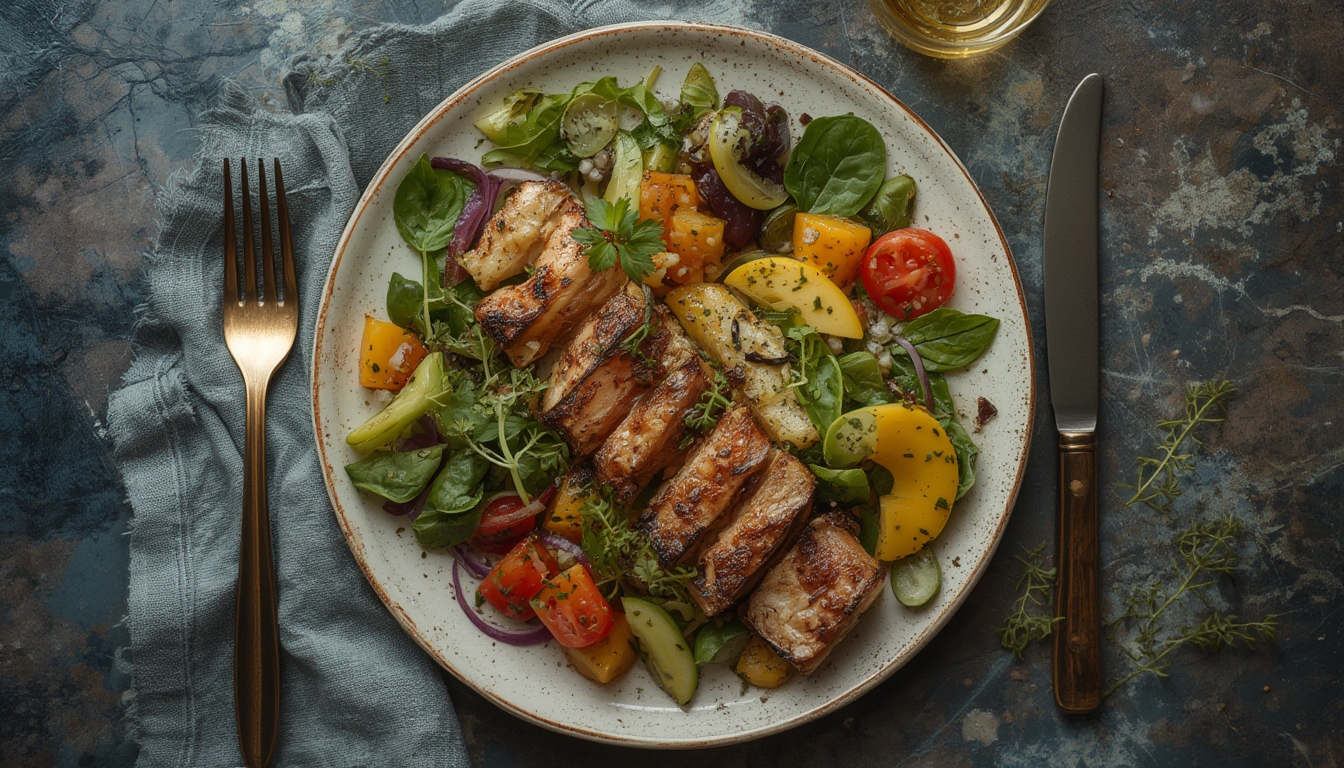
- Follow the “Half‑Plate” model: ½ of the plate = vegetables (raw, roasted, or sautéed).
- ¼ = whole grains or starchy vegetables (e.g., quinoa, sweet potato).
- ¼ = protein (plant‑based or occasional animal source).
Flavor Layering Strategy
- Base: Cooked grain or legume for texture.
- Middle: Roasted or sautéed vegetables for depth.
- Top: Fresh herbs, nuts, or seeds for crunch and aroma.
- Data from a 2022 nutrition study shows that adding a handful of nuts or seeds increases satiety scores by 18 %.
Sample Plate Example
- Start with ¾ cup cooked farro (grain).
- Add 1 cup mixed roasted vegetables (carrots, Brussels sprouts, red onion).
- Top with ½ cup spiced chickpeas (protein) and a drizzle of tahini‑lemon sauce.
- Finish with a sprinkle of toasted pumpkin seeds and chopped parsley.
5. Maintain Freshness and Reduce Waste
Storage Best Practices
- Keep leafy greens in a perforated bag with a paper towel to absorb excess moisture; they stay crisp up to 7 days.
- Store cooked grains and beans in the freezer in portion‑size bags; label with date. They retain quality for up to 3 months.
- Use the “first‑in, first‑out” method: place newer produce behind older items to ensure older items are used first.
Utilize Leftovers Creatively
- Turn leftover roasted veg into a hearty soup: blend with vegetable broth, add a splash of coconut milk, and season.
- Mix extra cooked beans into a quick veggie burger patty with oats, spices, and a binder like flax egg.
- Transform stale grains into a fried rice‑style dish with a quick stir‑fry of veg and a scrambled egg (optional).
6. Track Progress and Adjust
Weekly Review Sheet
- Log each meal’s main components (veg, grain, protein) in a simple table.
- Note any leftovers and how they were repurposed.
- Score each plate on a 1‑5 scale for satisfaction and ease of preparation.
Data‑Driven Adjustments
- If satisfaction scores dip below 3 for a particular recipe, revisit the flavor profile—add acidity (vinegar, citrus) or umami (nutritional yeast, miso).
- Analyze waste: if a specific vegetable consistently spoils, reduce purchase quantity or find new recipes to use it.
By following these structured steps—starting with a clear kitchen audit, choosing seasonal produce, mastering efficient cooking methods, and consistently reviewing outcomes—you’ll create plant‑forward flexitarian plates that are nutritious, delicious, and sustainable. The data‑backed approach ensures each meal contributes to your health goals while keeping waste low and flavor high.