
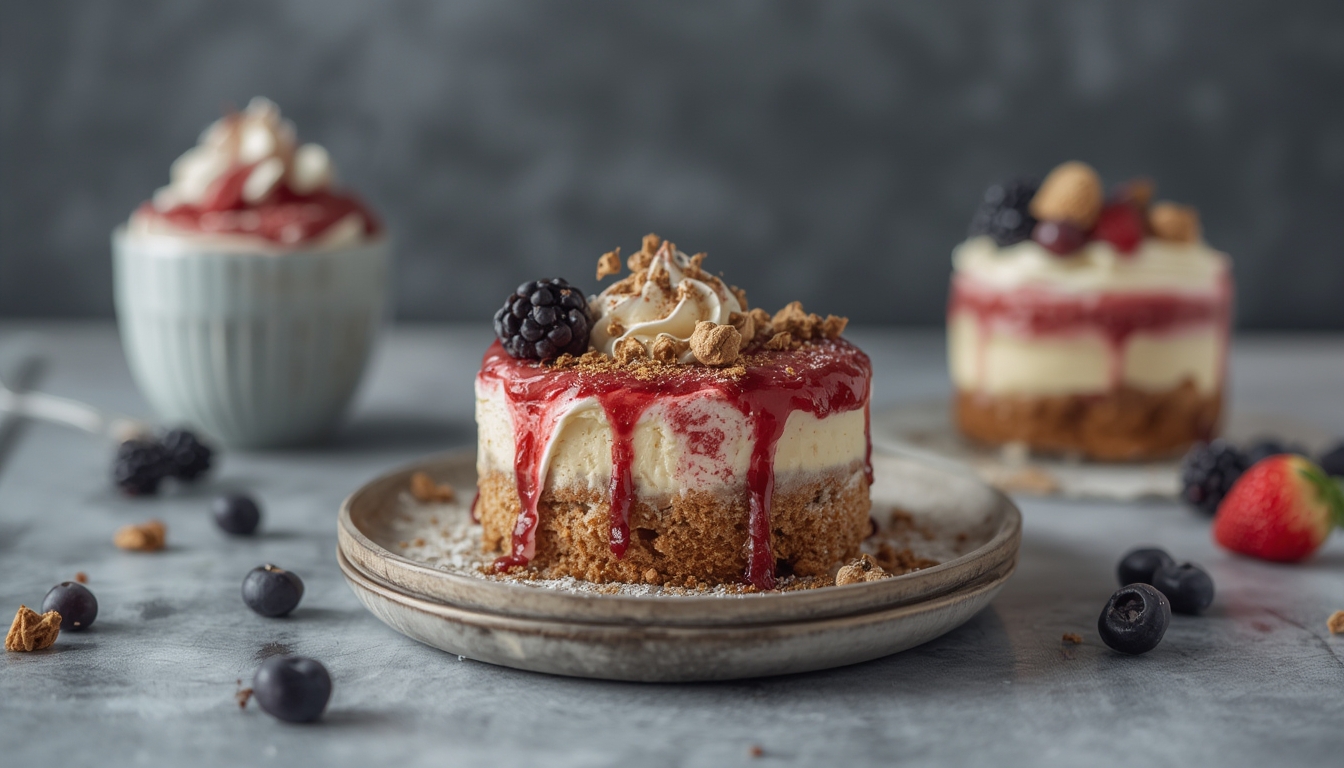
Modern desserts have moved beyond the classic cake and pie, embracing science, surprise, and global flavors. Whether you’re a home baker curious about molecular gastronomy or a foodie eager to experiment with fermented sweets, this guide walks you through the latest trends and provides step‑by‑step instructions to create show‑stopping treats that taste as good as they look.
Why Modern Desserts Matter
Today’s sweet creations blend culinary art with technology, allowing you to manipulate texture, temperature, and flavor in ways that were once impossible. By understanding the principles behind these innovations, you can confidently experiment and develop desserts that are both visually striking and palate‑pleasing.
Key Trends in Sweet Experiments
1. Molecular Gastronomy
Using ingredients like agar‑agar, xanthan gum, and sodium alginate, chefs transform liquids into gels, foams, and spheres. These techniques add unexpected textures while preserving intense flavors.
2. Fermentation & Probiotic Sweetness
Fermented fruits, kombucha reductions, and kefir‑infused creams introduce tangy complexity and health‑boosting probiotics to desserts.
3. Edible Flowers & Herbs
Incorporating lavender, hibiscus, rosemary, or basil adds aromatic layers and vibrant color without artificial additives.
4. Alternative Sweeteners
Stevia, monk fruit, and yacon syrup let you reduce sugar while maintaining sweetness, catering to health‑conscious diners.
Step‑by‑Step Guide: Creating a Modern Dessert Plate
Step 1: Choose a Base Flavor
Start with a familiar foundation—think vanilla bean custard, dark chocolate ganache, or a citrus curd. This will anchor the experimental elements and provide a recognizable taste profile.
- Tip: Use high‑quality ingredients; the subtle flavors of modern techniques shine best when the base is pure.
Step 2: Prepare a Textural Contrast
Pick one molecular technique to add a surprise texture. For example, create a coconut‑lime sphere using spherification:
- Blend coconut milk, lime juice, and a pinch of sugar.
- Mix 1 g sodium alginate with 100 ml of the liquid; blend until fully dissolved.
- In a separate bowl, dissolve 2 g calcium lactate in 200 ml water.
- Using a syringe, drop the alginate mixture into the calcium bath. Spheres form in 60–90 seconds.
- Rinse spheres gently in clean water and set aside.
- Tip: Keep the calcium bath chilled to slow gelation, giving you more control over sphere size.
Step 3: Add a Fermented Element
Introduce a tangy note with a kombucha reduction:
- Simmer 250 ml of plain kombucha with 1 tbsp honey until reduced by half (about 10 minutes).
- Strain to remove any sediment and let cool.
- Drizzle the reduction over the plated dessert just before serving.
- Tip: Taste as you reduce; too much heat can mute the kombucha’s natural acidity.
Step 4: Infuse Aromatics
Make a herb‑infused whipped cream for a fragrant finish:
- Whisk 200 ml heavy cream with 2 tbsp powdered sugar until soft peaks form.
- Gently fold in 1 tsp finely chopped rosemary or basil.
- Refrigerate for 10 minutes to let the herb flavor meld.
- Tip: Use a fine sieve to remove any large herb pieces for a smooth texture.
Step 5: Assemble the Plate
Presentation is key in modern desserts. Follow these steps for a balanced look:
- Place a dollop of the base custard or ganache in the center.
- Arrange 3–4 coconut‑lime spheres around the base.
- Drizzle the kombucha reduction in a thin, artistic line.
- Add a quenelle of herb‑infused whipped cream on the side.
- Garnish with edible flowers (e.g., violet petals) and a pinch of citrus zest.
- Tip: Use a clean, white plate to let the colors pop; wipe any spills for a crisp finish.
Practical Tips for Consistent Success
Ingredient Temperature
Many modern techniques rely on temperature control. Keep liquids chilled for spherification, and ensure creams are cold before whipping to achieve proper peaks.
Measuring Precision
Use a digital scale for small quantities of alginate, calcium lactate, and sweeteners. Even a 0.1 g variance can affect gel strength.
Equipment Essentials
- Immersion blender (for smooth gels)
- Syringe or squeeze bottle (for precise drops)
- Fine mesh sieve (for smooth sauces)
- Digital thermometer (to monitor reductions)
Trial Runs
Before serving guests, practice each component separately. This helps you fine‑tune flavors and textures without the pressure of a full plating.
Bringing Your Own Creativity
Once you master the basics, experiment with variations:
- Swap coconut milk for almond or oat milk for dairy‑free spheres.
- Use fruit‑based kombucha (e.g., raspberry) for a different reduction flavor.
- Incorporate spices like cardamom or star anise into the base custard for an exotic twist.
Remember, the goal of modern desserts is to surprise and delight. By combining a solid flavor foundation with innovative textures, fermented notes, and aromatic accents, you can craft unforgettable sweet experiences that keep diners coming back for more.