

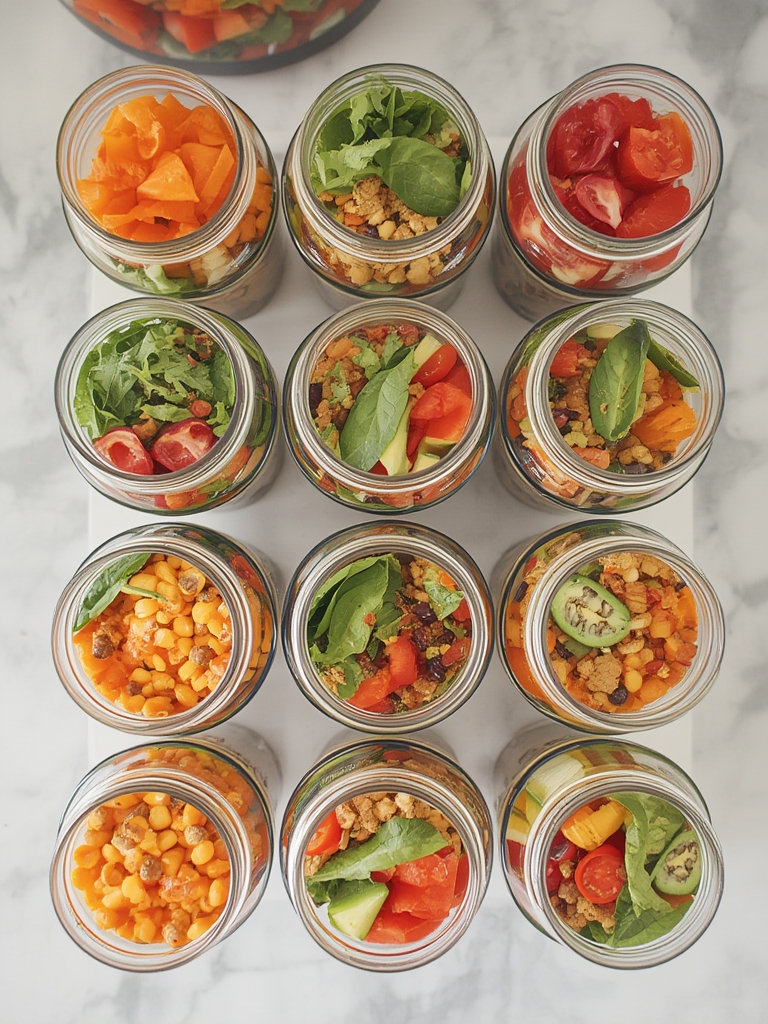
Comfort food has always been about nostalgia, warmth, and the simple joy of a familiar flavor. In today’s culinary landscape, “Comfort Food Reinvented” means taking those beloved classics and giving them a fresh, modern twist—often by using home‑grown, high‑quality ingredients that elevate taste and nutrition. One of the most rewarding ways to reinvent comfort dishes is to grow your own produce, ensuring peak freshness and a deeper connection to the meals you create. Below is a step‑by‑step guide to cultivating sweet potatoes, a versatile root vegetable that can transform classic comfort foods like casseroles, pies, and hearty stews into vibrant, health‑boosting masterpieces.
Why Sweet Potatoes Are the Perfect Comfort Food Reinvention Ingredient
Sweet potatoes bring natural sweetness, creamy texture, and a wealth of vitamins (A, C, and B6) to any dish. Their earthy flavor pairs beautifully with both savory and sweet applications, making them ideal for reinventing classics such as macaroni and cheese, shepherd’s pie, or even chocolate brownies. Growing your own sweet potatoes guarantees that you have a steady supply of this nutrient‑dense staple, free from the preservatives and transport stress found in store‑bought varieties.
Step 1: Selecting the Right Variety
Choose a variety that matches your climate and culinary goals
- Beauregard – Excellent for warm climates; yields deep orange flesh perfect for mash or baked fries.
- Georgia Jet – Faster‑growing, with a slightly drier texture ideal for crisped chips.
- Purple Majesty – Adds a striking color to soups and pies, with a subtly nutty flavor.
Tip: Purchase certified disease‑free slips (young vines) from a reputable nursery to avoid soil‑borne issues.
Step 2: Preparing the Soil
Ensure a loose, well‑draining medium rich in organic matter
Sweet potatoes thrive in sandy loam with a pH between 5.5 and 6.5. Amend your garden bed with 2–3 inches of compost or well‑rotted manure to improve fertility and moisture retention. If you’re using raised beds, fill them with a mix of one part garden soil, one part coarse sand, and one part compost.
Practical tip: Perform a simple “finger test” – the soil should feel crumbly and break apart easily. If it clumps, add more sand or perlite to improve aeration.
Step 3: Planting the Slips
Set the slips at the right depth and spacing
- Plant slips after the last frost date, when soil temperature consistently stays above 65°F (18°C).
- Space each slip 12–18 inches apart in rows that are 3 feet apart. This spacing allows vines to spread and tubers to develop without competition.
- Bury the slip up to the first set of true leaves, leaving the crown exposed. This encourages strong root formation.
Actionable advice: Water the slips immediately after planting and keep the soil consistently moist (but not soggy) for the first two weeks to promote robust establishment.
Step 4: Managing Water and Fertilization
Balance moisture and nutrients for optimal tuber growth
Sweet potatoes need about 1 inch of water per week. Use a drip irrigation system or soaker hose to deliver water directly to the root zone, reducing leaf wetness and disease risk. Mulch with straw or shredded leaves to retain moisture and suppress weeds.
Fertilize with a low‑nitrogen, high‑phosphorus formula (e.g., 5‑10‑10) at planting, then apply a side‑dressing of compost mid‑season. Avoid excessive nitrogen, which promotes foliage at the expense of tuber size.
Step 5: Controlling Pests and Diseases
Implement simple, organic strategies to keep plants healthy
- Wireworms – Rotate crops and use beneficial nematodes to reduce larval populations.
- Root rot – Ensure good drainage and avoid over‑watering; remove any water‑logged plants promptly.
- Sweet potato weevils – Hand‑pick adults and lay eggs on the foliage; consider neem oil sprays for severe infestations.
Quick tip: Inspect vines weekly and prune any yellowing or damaged leaves to improve airflow and reduce disease pressure.
Step 6: Harvesting and Curing
Know the perfect timing and post‑harvest handling
Harvest sweet potatoes 90–120 days after planting, once the vines begin to yellow and die back. Gently dig with a garden fork, starting a foot away from the plant to avoid bruising the tubers. Shake off excess soil and let the roots air‑dry for 15–20 minutes.
For long‑term storage, cure the sweet potatoes in a warm (85°F/29°C), humid environment for 10–14 days. This process converts starches to sugars, enhancing flavor and extending shelf life. After curing, store them in a cool (55°F/13°C), dark place with good ventilation.
Step 7: Reinventing Classic Comfort Dishes
Transform your harvest into modern, nutritious meals
With fresh, home‑grown sweet potatoes on hand, you can reimagine traditional comfort foods:
- Sweet Potato Mac & Cheese – Blend roasted sweet potato puree into the cheese sauce for a velvety, orange hue and added beta‑carotene.
- Hearty Sweet Potato Shepherd’s Pie – Use mashed sweet potatoes as the topping, seasoned with rosemary and a hint of smoked paprika.
- Chocolate‑Swirl Sweet Potato Brownies – Incorporate pureed sweet potatoes into the batter for moisture, natural sweetness, and a fudgy texture.
Actionable tip: When substituting sweet potatoes for regular potatoes, start with a 1:1 ratio by weight and adjust seasoning to taste, as the natural sweetness may require a pinch more salt or a splash of acid (lemon juice or vinegar).
Step 8: Sharing the Harvest
Extend the joy of comfort food reinvention beyond your kitchen
Consider gifting small bundles of freshly harvested sweet potatoes to neighbors or friends, paired with a simple recipe card. Hosting a “Comfort Food Reinvented” potluck encourages community sharing and showcases the versatility of your home‑grown produce.
Bonus idea: Preserve excess sweet potatoes by freezing them in pre‑cooked cubes or making sweet potato puree that can be stored in airtight containers for up to six months. This ensures you always have a ready‑to‑use ingredient for spontaneous comfort‑food creations.
By following these straightforward steps, you’ll not only enjoy a bountiful sweet potato harvest but also unlock endless possibilities for reinventing beloved comfort dishes. The combination of fresh, nutrient‑dense produce and creative culinary twists embodies the true spirit of “Comfort Food Reinvented” – nourishing both body and soul, one delicious bite at a time.