
Embracing a plant‑forward and flexitarian lifestyle means building meals that spotlight vegetables, legumes, whole grains, and nuts while still allowing occasional animal‑based proteins. The goal is to create plates that are vibrant, nutritionally balanced, and satisfying for every palate. Below is a data‑driven, step‑by‑step guide to growing key plant ingredients at home and assembling flexible plates that keep you energized and delighted.
Step 1: Choose High‑Yield, Nutrient‑Dense Crops
Research from the USDA shows that leafy greens, beans, and quinoa rank among the top crops for protein, fiber, and micronutrients per acre. Selecting these varieties maximizes both garden space and nutritional return.
What to Plant
- Leafy Greens: Spinach, kale, Swiss chard – excellent sources of iron, calcium, and vitamin K.
- Legumes: Chickpeas, green peas, and bush beans – provide plant‑based protein and soluble fiber.
- Whole Grains: Quinoa and millet – complete proteins with a low glycemic impact.
- Root Vegetables: Carrots and beets – add natural sweetness and beta‑carotene.
Step 2: Prepare the Soil for Optimal Growth
Soil health directly influences yield quality. Conduct a simple pH test (ideal range 6.0–7.0) and amend accordingly.
Actionable Soil Tips
- Compost Integration: Mix 2–3 inches of well‑rotted compost into the top 12 inches of soil to boost organic matter.
- Balanced Fertilizer: Apply a 10‑10‑10 granular fertilizer at a rate of 1 lb per 100 sq ft for leafy greens; legumes fix nitrogen, so they need less.
- Mulching: Spread a 2‑inch layer of straw or shredded leaves to retain moisture and suppress weeds.
Step 3: Planting Techniques for Maximum Yield
Data from the University of California’s Integrated Pest Management program indicates that proper spacing reduces disease pressure and improves air circulation.
Planting Guidelines
- Leafy Greens: Sow seeds ¼ inch deep, spacing rows 12 inches apart. Thin seedlings to 4‑inch intervals.
- Beans: Plant seeds 1 inch deep, 3 inches apart in rows 24 inches apart. Use trellises for pole varieties.
- Quinoa: Direct‑seed in late spring; space plants 12 inches apart, rows 24 inches apart.
- Root Veggies: Sow seeds ½ inch deep, spacing 3 inches apart. Thin to 6‑inch intervals for larger roots.
Step 4: Watering and Maintenance
Consistent moisture is key. A study by the American Society of Horticultural Science shows that a deep‑watering schedule (once per week, delivering 1 inch of water) encourages deeper root systems.
Practical Watering Advice
- Early Morning Irrigation: Reduces evaporation and leaf‑wetness, lowering fungal risk.
- Drip Irrigation: Install low‑flow drip lines to deliver water directly to the root zone, saving up to 30 % water compared to overhead sprinklers.
- Monitoring: Use a soil moisture meter; aim for a reading of 40‑60 % for most vegetables.
Step 5: Harvest Timing for Peak Flavor and Nutrition
Harvesting at the right stage preserves nutrients and texture. For example, spinach reaches peak vitamin C content when leaves are 3‑4 inches tall.
Harvest Checklist
- Leafy Greens: Cut outer leaves first, allowing the plant to continue producing.
- Beans: Pick pods when they are 4‑5 inches long; this prevents seed hardening.
- Quinoa: Harvest when seed heads turn from green to a golden‑brown hue and the seed easily rubs off.
- Root Veggies: Gently loosen soil with a fork and pull when roots reach desired size (usually 8‑10 weeks after sowing).
Step 6: Building a Balanced Plant‑Forward Plate
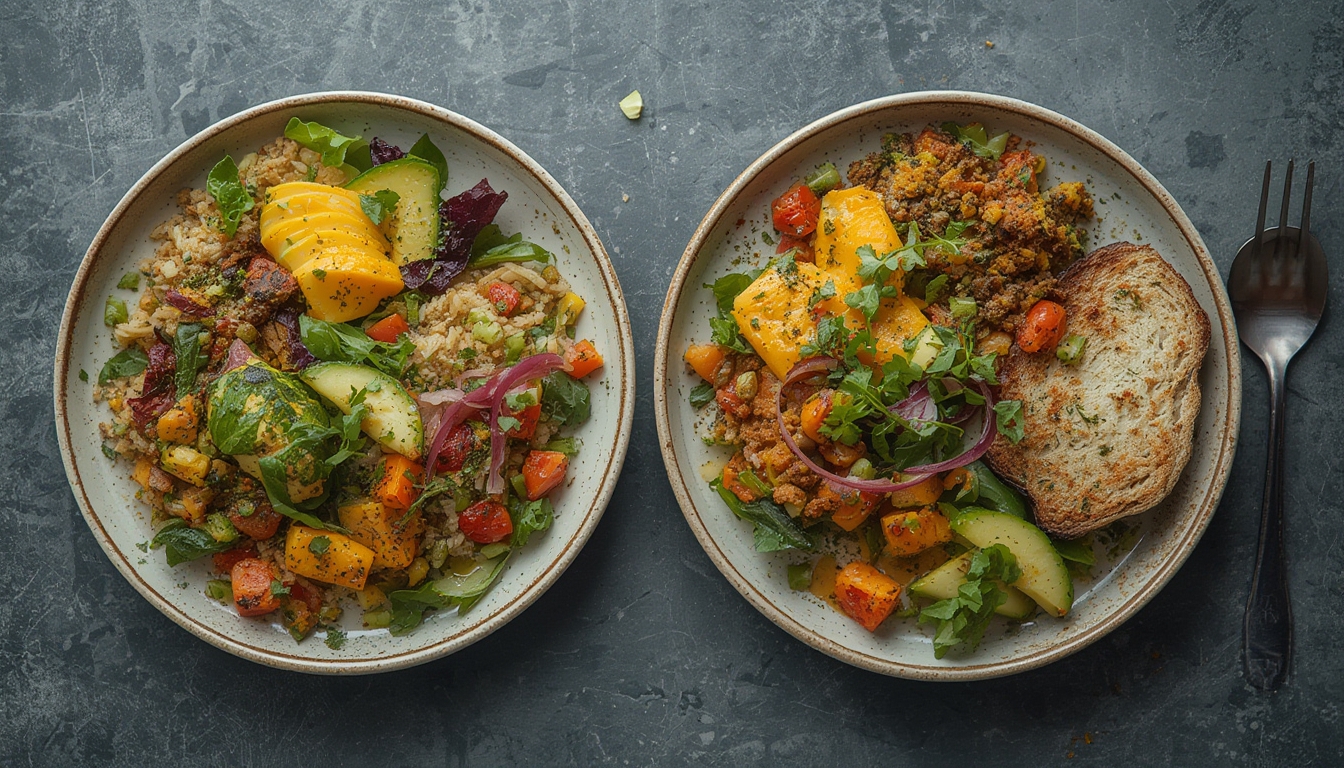
Once your garden bounty is ready, assemble plates using the USDA MyPlate ratios: ½ vegetables, ¼ whole grains, and ¼ protein (plant‑based with optional animal protein).
Plate Construction Example
- Base Layer – Whole Grains: Cook ½ cup quinoa; fluff with a fork and let cool.
- Protein Boost: Add ½ cup cooked chickpeas, seasoned with smoked paprika and a splash of lemon juice.
- Vegetable Medley: Toss a mix of sautéed kale, roasted carrots, and fresh cherry tomatoes in olive oil, garlic, and a pinch of sea salt.
- Optional Flexitarian Add‑On: Top with a poached egg or a few slices of grilled salmon for extra omega‑3s.
- Finish: Drizzle a tahini‑lemon dressing and sprinkle toasted pumpkin seeds for crunch.
Step 7: Quick Prep & Storage Tips
Keeping ingredients fresh reduces waste and speeds up meal assembly.
Actionable Storage Hacks
- Leafy Greens: Wrap in a paper towel and store in a perforated bag in the fridge; lasts up to 7 days.
- Cooked Grains: Portion into airtight containers; freeze for up to 3 months.
- Legumes: Store cooked beans in their cooking liquid to retain moisture; reheat with a splash of broth.
- Root Veggies: Keep in a cool, dark drawer; they stay crisp for several weeks.
Step 8: Monitoring Progress and Adjusting the Plan
Track yields, taste, and how you feel after meals. A simple spreadsheet can capture:
Metrics to Record
- Yield per Plant (e.g., lbs of kale per square foot).
- Meal Satisfaction Score (1‑10 rating after each plate).
- Energy Levels (morning and afternoon logs).
Analyzing this data helps you fine‑tune planting dates, crop mixes, and portion ratios, ensuring each season brings more flavor, nutrition, and enjoyment.
By following these evidence‑based steps—from soil preparation to plate assembly—you’ll cultivate a thriving garden and a flexible, plant‑forward diet that supports health, sustainability, and culinary creativity.