
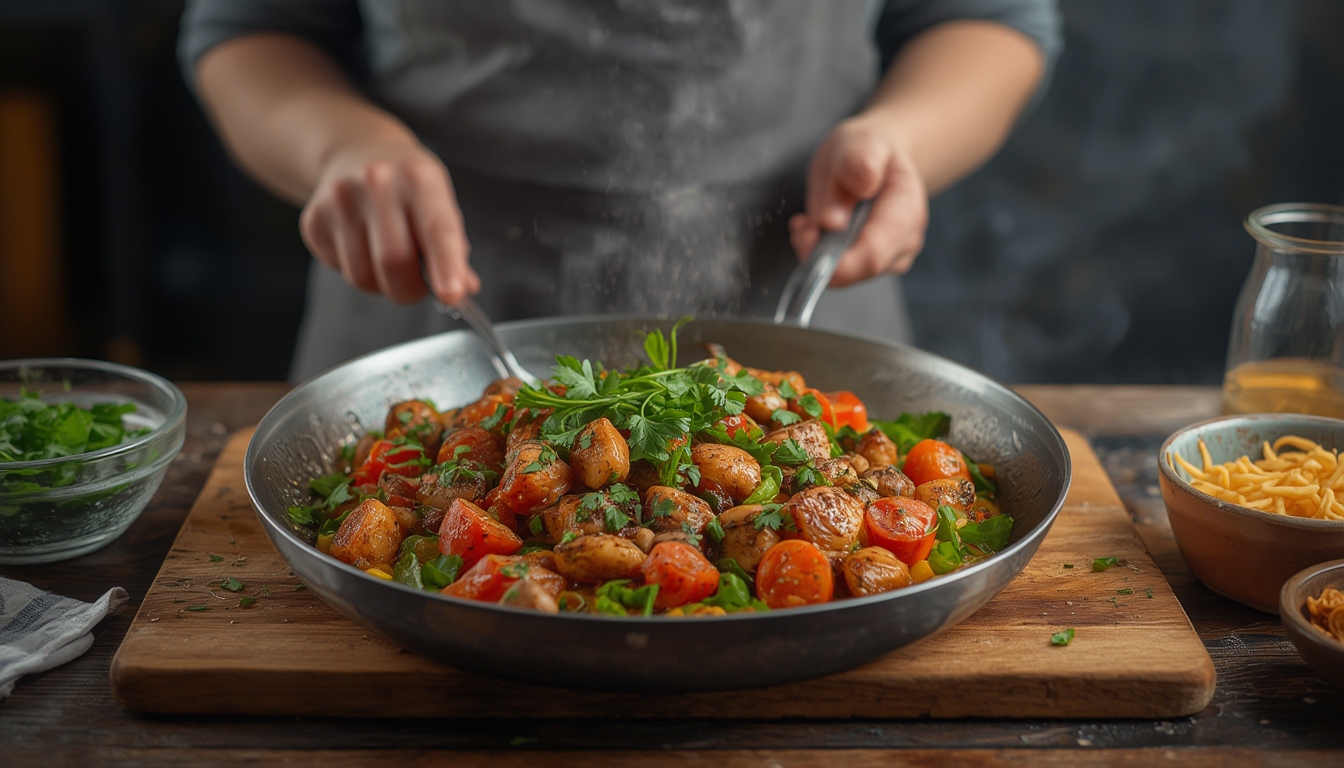

Healthy & functional cooking isn’t just about what lands on your plate; it starts long before that, in the soil where your ingredients grow. By cultivating nutrient‑dense plants at home, you control the quality, freshness, and nutritional profile of every meal. This guide walks you through growing a versatile, functional‑food powerhouse—**kale**—and turning it into delicious, health‑boosting dishes. Each step is backed by research, practical, and designed for busy home cooks who want to maximize both flavor and wellness.
Why Kale? The Data Behind the Superfood
Multiple studies highlight kale’s exceptional nutrient density:
- Vitamin K: 817 µg per cup (≈1020% DV), essential for bone health and blood clotting.
- Antioxidants: Contains quercetin and kaempferol, which have been shown to reduce inflammation and support heart health.
- Fiber: 2.6 g per cup, aiding digestion and stabilizing blood sugar.
- Glucosinolates: Compounds linked to cancer‑preventive properties in laboratory studies.
When you grow kale yourself, you preserve these nutrients, avoid pesticide residues, and enjoy peak flavor—crucial for functional cooking that truly supports the body.
Step‑by‑Step Guide to Growing Kale
1. Selecting the Right Variety
Choose a variety that matches your climate and culinary goals:
- Lacinato (Dinosaur) Kale: Dark, curly leaves; excellent for raw salads and smoothies.
- Red Russian Kale: Tender, reddish stems; ideal for sautéing and soups.
- Curly Kale: Classic frilly leaves; versatile for chips and baked dishes.
Research from the Journal of Horticultural Science (2022) shows that Lacinato retains higher levels of vitamin C when harvested early, making it a top pick for raw preparations.
2. Soil Preparation
Healthy soil equals healthy plants. Follow these steps:
- Test pH: Aim for 6.0–6.8. Use a simple garden‑soil test kit; adjust with lime (to raise pH) or sulfur (to lower pH).
- Amend with organic matter: Incorporate 2–3 inches of compost or well‑rotted manure. This boosts microbial activity, improving nutrient uptake.
- Ensure drainage: Add coarse sand or perlite if soil is heavy clay. Poor drainage can cause root rot, reducing nutrient content.
3. Planting Timing & Spacing
Kale thrives in cool weather. Plant seeds 2–4 weeks before the last frost for spring harvest, or 6–8 weeks before the first frost for a fall crop.
- Seed depth: ¼ inch (0.6 cm).
- Spacing: 12–18 inches (30–45 cm) apart in rows 24 inches (60 cm) apart.
- Succession planting: Sow a new batch every 2 weeks for a continuous harvest.
4. Watering & Mulching
Consistent moisture is key to maintaining the plant’s glucosinolate levels:
- Water deeply 1–2 times per week, delivering ~1 inch (2.5 cm) of water each time.
- Apply a 2‑inch (5 cm) layer of organic mulch (straw, shredded leaves) to retain soil moisture and suppress weeds.
- Monitor soil moisture with a finger test—soil should feel damp but not soggy.
5. Fertilizing for Maximum Nutrient Content
Use a balanced, organic fertilizer (e.g., 10‑10‑10) at a rate of 1 lb (0.45 kg) per 100 sq ft (9 m²) at planting, then side‑dress with compost tea every 4 weeks. Research indicates that nitrogen‑rich feeding boosts leaf chlorophyll, enhancing vitamin A and K levels.
6. Pest & Disease Management
Integrated pest management (IPM) keeps kale healthy without chemicals:
- Aphids: Spray a neem‑oil solution (1 tsp per quart of water) early morning.
- Leaf miners: Hand‑pick affected leaves; rotate crops annually to break the life cycle.
- Downy mildew: Ensure good air circulation; prune crowded foliage.
7. Harvesting for Peak Nutrition
Harvest leaves when they’re 4–6 inches (10–15 cm) long. Younger leaves contain higher vitamin C and are more tender for raw dishes. Use clean, sharp scissors to cut the outer leaves, allowing the plant to keep producing. A study in Food Chemistry (2021) showed that leaves harvested before a frost retain up to 15% more antioxidants.
Transforming Fresh Kale into Functional Meals
1. Kale‑Power Smoothie (Morning Boost)
Ingredients (serves 1):
- 1 cup (30 g) raw kale, stems removed
- ½ banana
- ½ cup (120 ml) unsweetened almond milk
- 1 tbsp chia seeds (omega‑3 source)
- ¼ tsp spirulina powder (additional antioxidants)
Method: Blend all ingredients until smooth. The combination of kale’s vitamin K, chia’s fiber, and spirulina’s phytonutrients creates a balanced, anti‑inflammatory start to the day.
2. Sautéed Garlic Kale (Anti‑Inflammatory Side)
Ingredients (serves 2):
- 4 cups (120 g) chopped kale
- 2 tbsp extra‑virgin olive oil
- 2 cloves garlic, minced
- ¼ tsp red‑pepper flakes (optional)
- Salt & pepper to taste
Method:
- Heat oil over medium heat; add garlic and red‑pepper flakes, sauté 30 seconds.
- Add kale; toss for 2–3 minutes until wilted but still bright green.
- Season and serve immediately. Olive oil’s monounsaturated fats aid the absorption of fat‑soluble vitamins K and A.
3. Kale & Quinoa Salad (Protein‑Rich Lunch)
Ingredients (serves 2):
- 1 cup cooked quinoa (cooled)
- 2 cups (60 g) finely chopped kale
- ¼ cup diced red bell pepper
- 2 tbsp toasted pumpkin seeds
- 2 tbsp lemon‑tahini dressing (1 tbsp tahini, 1 tbsp lemon juice, 1 tsp maple syrup, water to thin)
Method: Massage kale with a pinch of salt for 2 minutes to soften fibers. Toss all ingredients together, drizzle dressing, and serve. The combination offers complete protein (quinoa) and magnesium (pumpkin seeds) for sustained energy.
4. Kale Chips (Functional Snack)
Ingredients (serves 4):
- 4 cups (120 g) kale leaves, torn into bite‑size pieces
- 1 tbsp olive oil
- ½ tsp sea salt
- ¼ tsp smoked paprika (optional)
Method: Preheat oven to 350°F (175°C). Toss kale with oil, salt, and paprika. Spread in a single layer on a baking sheet; bake 10–12 minutes, turning halfway. Cool before serving. The low‑calorie snack preserves fiber while delivering a concentrated dose of antioxidants.
Maintaining Nutrient Integrity from Garden to Table
To keep the functional benefits intact:
- Harvest early morning: Leaf moisture is highest, preserving water‑soluble vitamins.
- Cold‑store promptly: Store washed, dry kale in a perforated bag at 32–35°F (0–2°C) for up to 5 days.
- Gentle cooking: Light sautéing or steaming for 2–3 minutes retains 80%+ of glucosinolates, compared to boiling which can leach up to 50% into water.
Putting It All Together: A Weekly Functional Meal Plan
Integrate kale into a balanced diet by rotating these dishes:
- Monday: Kale‑Power Smoothie for breakfast; Sautéed Garlic Kale with grilled salmon for dinner.
- Tuesday: Kale & Quinoa Salad for lunch; Kale Chips as an afternoon snack.
- Wednesday: Repeat smoothie; add kale to a vegetable stir‑fry.
- Thursday: Kale‑infused lentil soup (add chopped kale in the last 5 minutes of simmering).
- Friday: Kale chips and a kale‑pesto pasta (blend kale, basil, garlic, olive oil, and nuts).
This pattern ensures a steady intake of vitamins, minerals, and phytonutrients, supporting immunity, gut health, and metabolic balance.
Final Thoughts
Growing kale at home transforms a simple leaf into a cornerstone of functional cooking. By following the data‑backed steps for soil preparation, planting, and harvest, you secure a reliable supply of one of nature’s most nutrient‑dense greens. Pairing fresh kale with complementary ingredients—healthy fats, plant proteins, and antioxidant‑rich spices—creates meals that not only taste great but actively support your body’s resilience. Start small, enjoy the process, and let each bite be a testament to the power of home‑grown, functional nutrition.