
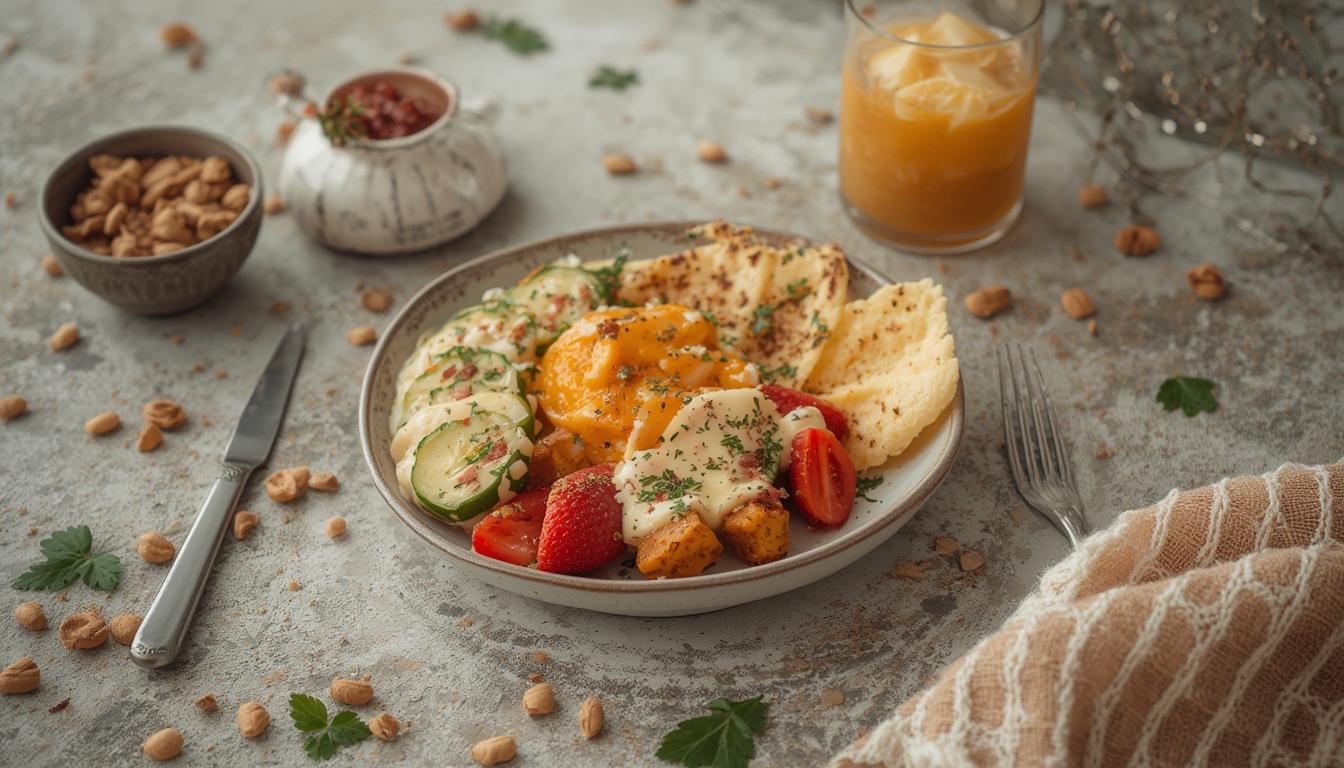

Creating visually stunning dishes isn’t just about the final plate—it starts long before the food reaches the table. By growing your own microgreens, edible flowers, and herbs, you gain control over color, texture, and freshness, turning every bite into a work of art. This guide walks you through the entire process, from seed selection to plating, with practical, actionable tips that ensure your aesthetic food creations look as good as they taste.
Why Grow Your Own Aesthetic Ingredients?
Freshly harvested greens and blooms offer brighter colors, crisper textures, and more nuanced flavors than store‑bought alternatives. Growing them at home also lets you experiment with unusual varieties—like purple basil, rainbow chard, or violet basil—that add unexpected pops of color to any dish. The result? A cohesive visual story that elevates the dining experience and makes your food instantly Instagram‑worthy.
Step‑by‑Step Guide to Growing Microgreens for Styling
1. Choose the Right Seeds
- Flavor profile: Select seeds based on taste—radish for peppery bite, pea shoots for sweet crunch, or cilantro for citrus notes.
- Color impact: Opt for varieties with vibrant hues—red cabbage (purple), amaranth (deep red), or basil (bright green).
- Seed quality: Purchase organic, non‑treated seeds from reputable suppliers to avoid chemicals that could affect flavor and appearance.
2. Prepare Your Growing Space
- Tray selection: Use shallow, food‑grade trays (2–3 inches deep) with drainage holes. A clear plastic lid helps maintain humidity during germination.
- Growing medium: A lightweight, sterile seed‑starting mix works best. Avoid garden soil, which can introduce pests.
- Lighting: Position trays near a south‑facing window or under LED grow lights (4000 K–5000 K) for 12–14 hours daily.
3. Sowing the Seeds
- Even distribution: Sprinkle seeds uniformly across the surface; a fine mesh sieve ensures consistent coverage.
- Press lightly: Gently press seeds into the medium with a board or the back of a spoon—no covering needed for most microgreens.
- Moisture control: Mist the tray with a spray bottle until the surface is damp but not soggy.
4. Germination Phase (Days 1‑4)
- Cover and humidify: Place the clear lid on the tray to retain moisture. Check daily for condensation.
- Ventilation: Open the lid for a few minutes each morning to prevent mold.
- Watering tip: Use a fine mist to keep the medium moist; avoid over‑watering, which can drown seedlings.
5. Growth Phase (Days 5‑10)
- Light exposure: Remove the lid and provide bright, indirect light. Rotate trays every 2 hours for even growth.
- Watering schedule: Water from the bottom by placing the tray in a shallow water bath for 2‑3 minutes, then let it drain fully.
- Temperature: Keep the environment between 65‑75 °F (18‑24 °C) for optimal growth.
6. Harvesting
- Timing: Harvest when the first true leaves appear (usually 7‑10 days). This is when flavor and color are at their peak.
- Technique: Use clean scissors to cut stems just above the growing medium. Avoid pulling to prevent soil contamination.
- Rinse gently: Rinse under cold water and pat dry with a paper towel or salad spinner.
7. Storing for Maximum Freshness
- Container: Place harvested microgreens in a breathable produce bag or a container lined with a damp paper towel.
- Refrigeration: Store at 32‑36 °F (0‑2 °C). Use within 3‑5 days for the brightest color and crunch.
- Revive wilted greens: Submerge briefly in ice water (30 seconds) before plating to restore crispness.
Styling Tips: Turning Fresh Greens into Visual Masterpieces
Now that you have a steady supply of vibrant microgreens, it’s time to translate that freshness onto the plate.
Color Pairing
- Contrast purple amaranth with orange carrots for a bold, complementary look.
- Mix bright green basil shoots with deep red beet purée to create a natural gradient.
Texture Balance
- Combine delicate microgreen leaves with crunchy toasted nuts or seeds for mouthfeel variety.
- Layer thinly sliced radish ribbons over a smooth avocado mousse to add visual layers.
Placement Techniques
- Height variation: Use taller shoots (e.g., pea shoots) as vertical accents, while spreading low‑lying greens as a base.
- Negative space: Leave intentional gaps on the plate; a single cluster of bright microgreens can become the focal point.
Edible Garnish Integration
- Scatter edible flowers (nasturtium, violets) among microgreens for a pop of unexpected color.
- Drizzle a light vinaigrette in a thin line to guide the eye toward the garnish.
Maintaining a Continuous Harvest
To keep your kitchen stocked with fresh styling ingredients, adopt a staggered planting schedule. Start a new tray every 3‑4 days; this ensures a rolling harvest and eliminates gaps in your aesthetic supply chain. Rotate trays weekly, moving older trays to the back of the growing area and placing fresh ones in the prime light spot.
Common Challenges and Quick Fixes
Issue: Leggy or Pale Growth
Cause: Insufficient light. Fix: Increase light intensity or move trays closer to the window. Add a reflective surface (e.g., aluminum foil) behind trays to bounce light.
Issue: Mold or Foul Odor
Cause: Over‑watering or poor air circulation. Fix: Reduce watering frequency, increase ventilation, and ensure trays are not stacked tightly.
Issue: Uneven Germination
Cause: Seeds clumped together. Fix: Use a seed‑spreading screen for uniform distribution and gently tap the tray to settle seeds evenly.
Final Thoughts
Integrating home‑grown microgreens and edible flowers into your culinary creations gives you unparalleled control over color, flavor, and texture. By following the straightforward steps outlined above, you’ll develop a reliable source of aesthetic ingredients that transform ordinary plates into eye‑catching works of art. Consistency, attention to detail, and a willingness to experiment are the keys to mastering aesthetic food styling—so start sowing, harvest often, and let your plates tell a vibrant, delicious story.