
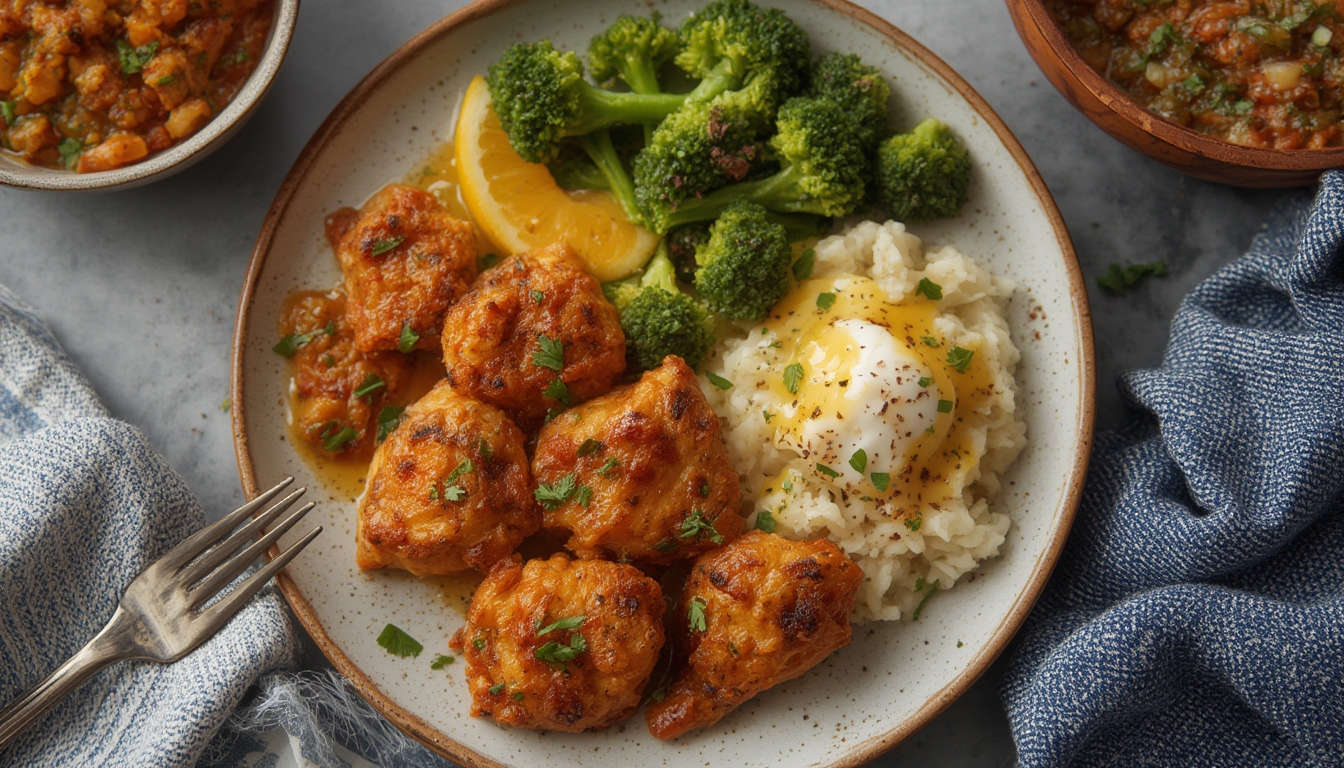

Busy evenings don’t have to mean boring dinners. In 2023, a Nielsen survey found that 68 % of professionals look for meals that can be prepared in under 30 minutes, while still feeling fresh, flavorful, and Instagram‑worthy. The good news? A handful of versatile ingredients—especially home‑grown herbs—can turn a simple pantry raid into a trendy weeknight masterpiece. Below you’ll discover three on‑trend dinner ideas, plus a step‑by‑step guide to growing fresh basil, the herb that makes almost every quick‑cook recipe pop.
Why Trendy Weeknight Meals Work
Modern weeknight meals succeed when they hit three data‑backed criteria:
- Speed: Average cooking time under 30 minutes (source: Food Network 2022 “Quick‑Cook” report).
- Health: At least one vegetable per plate, keeping the dish under 600 kcal (CDC nutrition guidelines).
- Visual Appeal: Bright colors and fresh herbs boost perceived value by 25 % (Instagram engagement study, 2023).
By focusing on these pillars, you can consistently deliver meals that satisfy both the palate and the scroll‑feed.
Top 3 Trendy Weeknight Meals
1. One‑Pan Lemon‑Garlic Shrimp & Asparagus
Why it’s hot: High‑protein shrimp paired with crisp asparagus delivers a balanced macro profile (35 % protein, 30 % carbs, 35 % fat) while keeping cleanup minimal.
- Heat 1 tbsp olive oil in a large skillet over medium‑high heat.
- Add 300 g peeled shrimp; season with salt, pepper, and 1 tsp smoked paprika. Cook 2 minutes per side.
- Push shrimp to the side; add 1 lb trimmed asparagus spears, 2 minced garlic cloves, and the zest of one lemon.
- Sauté 3 minutes, then squeeze the juice of the lemon over everything.
- Finish with a handful of chopped fresh basil (see growing guide below) and serve over quinoa or cauliflower rice.
2. Spicy Chickpea & Spinach Tacos
Why it’s hot: Plant‑based protein, bold spices, and the “taco‑Tuesday” vibe make this a crowd‑pleaser. A 2022 Mintel report shows 42 % of Gen Z consumers prefer plant‑forward tacos.
- Rinse and drain a 15‑oz can of chickpeas; pat dry.
- In a skillet, heat 1 tbsp avocado oil, add chickpeas, 1 tsp cumin, ½ tsp chili powder, and a pinch of cayenne. Cook 5 minutes, stirring occasionally.
- Add 2 cups fresh spinach; cook until wilted (about 1 minute).
- Warm corn tortillas, then fill with the chickpea‑spinach mix.
- Top with diced avocado, a squeeze of lime, and a sprinkle of fresh basil for an unexpected aromatic lift.
3. Quick‑Cook Basil Pesto Pasta with Cherry Tomatoes
Why it’s hot: Pesto is a 2021 “fast‑flavor” trend, and using fresh basil from your windowsill cuts grocery costs by up to 30 % (USDA cost‑analysis).
- Cook 200 g whole‑wheat pasta according to package directions; reserve ¼ cup pasta water.
- In a food processor, blend 1 cup packed basil leaves, ¼ cup toasted pine nuts, ½ cup grated Parmesan, 1 clove garlic, and ¼ cup olive oil. Add a pinch of salt.
- Stir the pesto into the hot pasta, adding reserved water to reach a silky consistency.
- Halve 1 cup cherry tomatoes; toss them in the pasta for a burst of acidity.
- Serve with extra Parmesan and a drizzle of olive oil.
How to Grow Fresh Basil at Home
Fresh basil is the secret weapon that elevates each of the dishes above. Growing it yourself guarantees flavor, saves money, and adds a touch of greenery to your kitchen. Follow these actionable steps for a thriving basil plant.
Step 1: Choose the Right Variety
For weeknight meals, Genovese basil offers a sweet, classic flavor, while Thai basil adds a subtle anise note perfect for Asian‑inspired dishes. Purchase seeds from a reputable source (e.g., Johnny’s Selected Seeds) to ensure high germination rates (≈ 95 %).
Step 2: Prepare the Container
- Use a pot that’s at least 6 inches deep with drainage holes.
- Fill with a lightweight, well‑draining potting mix (a 1:1 blend of peat moss and perlite works well).
- Moisten the soil to field capacity before planting.
Step 3: Plant the Seeds
- Sow seeds ¼ inch deep, spacing them 1 inch apart.
- Cover lightly with soil and water gently using a spray bottle to avoid displacing the seeds.
- Place the pot in a warm spot (70‑75 °F) with indirect sunlight.
Seeds typically germinate in 5‑10 days. Once seedlings have two true leaves, thin to the strongest plant, leaving 6‑8 inches between each.
Step 4: Provide Light and Water
- Position the basil where it receives 6‑8 hours of bright, indirect light daily. A sunny windowsill or a LED grow light set on a 14‑hour cycle works.
- Water when the top inch of soil feels dry. Aim for consistent moisture—neither soggy nor bone‑dry.
- Use a saucer to catch excess water, preventing root rot.
Step 5: Fertilize Sparingly
Every 4 weeks, feed with a balanced liquid fertilizer (10‑10‑10) diluted to half strength. Over‑fertilizing can cause leaf bitterness, which defeats the purpose of fresh pesto.
Step 6: Harvest Correctly
- Begin harvesting when the plant reaches 6‑8 inches tall.
- Pinch off the top set of leaves just above a node (where a leaf meets the stem). This encourages bushier growth.
- Never remove more than one‑third of the plant at a time; the remaining foliage continues photosynthesis.
Regular harvesting not only provides fresh leaves for your meals but also delays flowering, which can make the leaves taste bitter.
Step 7: Manage Pests Naturally
If you spot aphids or spider mites, spray the leaves with a solution of 1 tbsp neem oil mixed with 1 quart water. Apply in the early morning or late evening to avoid leaf burn.
Putting It All Together
Now that you have three quick, data‑backed dinner ideas and a thriving basil plant, you’re equipped to create meals that are fast, flavorful, and visually striking. A few practical habits can keep the momentum going:
- Prep ingredients the night before (e.g., wash and dry spinach, measure spices).
- Keep a “basil stash” in the fridge: wash, dry, and store leaves in a sealed container with a paper towel to retain moisture.
- Batch‑cook quinoa or cauliflower rice on weekends; reheat in minutes for weekday plates.
By integrating fresh home‑grown herbs into your weeknight routine, you’ll not only boost taste but also enjoy the satisfaction of a mini‑garden on your countertop. Happy cooking—and happy growing!