
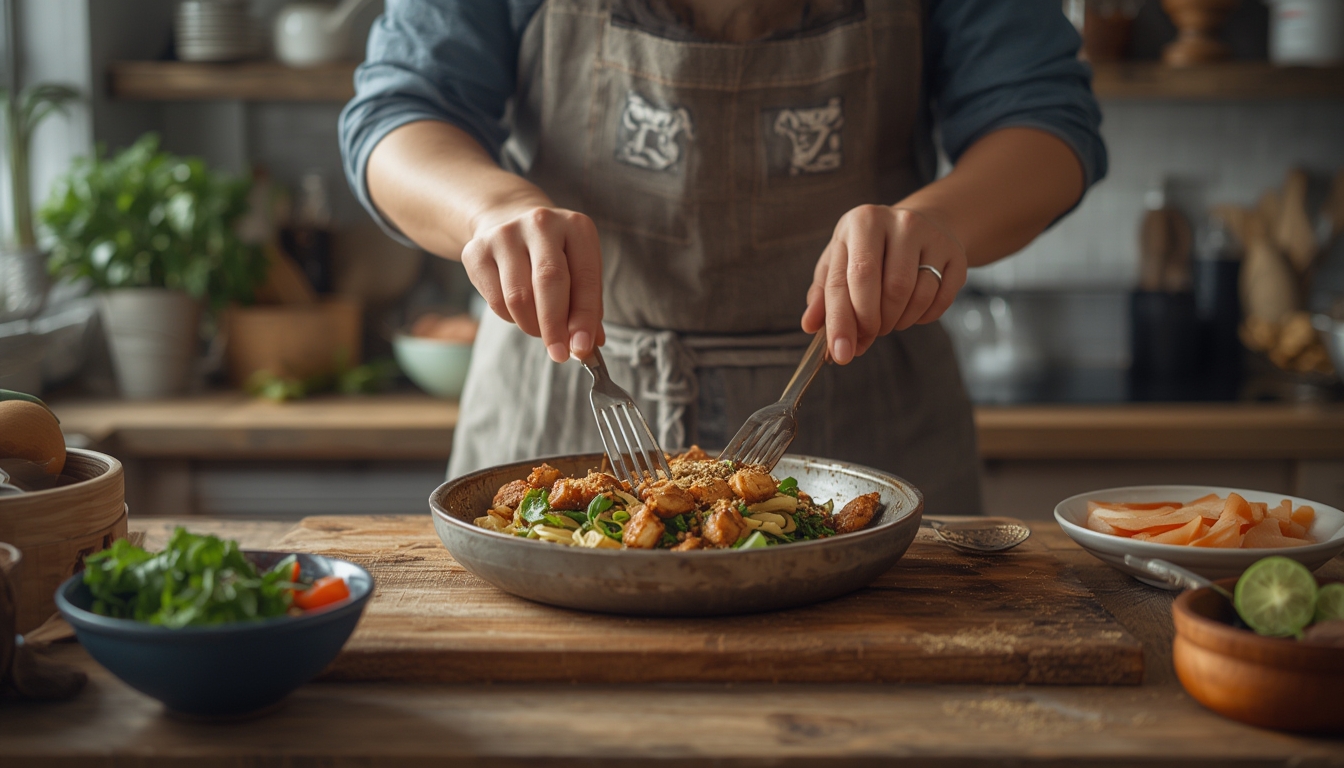

Healthy & functional cooking isn’t just about making meals that taste good—it’s about creating dishes that actively support your body’s performance, immunity, and long‑term well‑being. By blending evidence‑based nutrition data with practical kitchen techniques, you can turn everyday meals into powerful, nutrient‑dense experiences. Below is a step‑by‑step guide that walks you through the entire process, from ingredient selection to final plating, with actionable tips you can apply today.
1. Choose the Right Ingredients
1.1 Prioritize Whole Foods
Data from the Harvard School of Public Health shows that diets rich in whole, minimally processed foods are linked to lower risks of chronic disease. Start each recipe by selecting:
- Fresh vegetables (leafy greens, cruciferous veg, colorful peppers)
- High‑quality proteins (wild‑caught fish, organic poultry, legumes)
- Healthy fats (extra‑virgin olive oil, avocado, nuts & seeds)
- Complex carbohydrates (whole grains, sweet potatoes, quinoa)
Action tip: Keep a “seasonal produce” list on your fridge door. Each week, add the top three in‑season vegetables and plan meals around them.
1.2 Incorporate Functional Foods
Functional foods contain bioactive compounds that provide health benefits beyond basic nutrition. Research highlights the following as especially potent:
- Turmeric – curcumin reduces inflammation; pair with black pepper to boost absorption.
- Garlic – allicin supports cardiovascular health; crush and let sit 10 minutes before cooking.
- Fermented foods – kimchi, kefir, and sauerkraut enhance gut microbiome diversity.
- Leafy greens – kale, spinach, and Swiss chard deliver lutein and antioxidants.
Action tip: Add at least one functional ingredient to every main dish. Start small—sprinkle a pinch of turmeric on roasted veggies or mix a spoonful of kimchi into a grain bowl.
2. Balance Macronutrients for Sustained Energy
2.1 Calculate Protein Needs
The International Society of Sports Nutrition recommends 1.4–2.0 g of protein per kilogram of body weight for active adults. Use a simple calculator (weight × 1.6 ≈ daily protein grams) and distribute protein evenly across meals.
Action tip: Pre‑portion protein sources (e.g., 4 oz chicken, ½ cup beans) into containers before the week starts. This removes guesswork during cooking.
2.2 Optimize Carbohydrate Timing
Complex carbs with a low glycemic index (GI) provide steady glucose release. Studies show that pairing carbs with protein or fat lowers post‑meal blood sugar spikes.
Action tip: Combine a serving of quinoa (GI ≈ 53) with roasted chickpeas and a drizzle of olive oil for a balanced plate.
2.3 Include Healthy Fats
Omega‑3 fatty acids (EPA/DHA) from fatty fish or ALA from flaxseeds improve brain health. Aim for at least 1 g of EPA/DHA daily.
Action tip: Add a tablespoon of ground flaxseed to smoothies or sprinkle toasted walnuts over salads for an easy omega‑3 boost.
3. Preserve Nutrients with Smart Cooking Techniques
3.1 Use Low‑Heat Methods When Possible
Heat can degrade heat‑sensitive nutrients like vitamin C and certain B vitamins. Steaming, sous‑vide, and quick sautéing retain up to 90 % of these nutrients, according to a 2022 USDA study.
Action tip: Steam broccoli for 3–4 minutes, then finish with a splash of lemon juice to enhance iron absorption.
3.2 Leverage the “Oil‑And‑Acid” Pairing
Fat‑soluble vitamins (A, D, E, K) need dietary fat for optimal absorption. Cooking vegetables in a modest amount of healthy oil (1‑2 tsp) dramatically increases bioavailability.
Action tip: Sauté kale in 1 tsp coconut oil with a pinch of sea salt; the oil unlocks the vitamin K and beta‑carotene.
3.3 Minimize Water Loss
Boiling can leach water‑soluble nutrients into the cooking water. If you must boil, repurpose the liquid as a base for soups or sauces.
Action tip: After boiling carrots, blend the cooking water with the carrots for a nutrient‑rich puree.
4. Build a Functional Meal Plan
4.1 Create a Weekly Template
Consistent meal planning reduces decision fatigue and ensures nutrient diversity. A simple template:
- Monday & Thursday – Protein‑rich salads
- Tuesday & Friday – One‑pot grain bowls
- Wednesday – Stir‑fry with functional veggies
- Weekend – Slow‑cooked stews or batch‑cook soups
Action tip: Spend 30 minutes on Sunday prepping core components (cooked grains, roasted veggies, pre‑marinated proteins). Store them in airtight containers for quick assembly.
4.2 Incorporate Colorful Variety
Each color group signals different phytochemicals: red (lycopene), orange (beta‑carotene), yellow (vitamin C), green (chlorophyll), blue/purple (anthocyanins). Aim for at least three colors per meal.
Action tip: When plating, start with a base of green (spinach), add a red element (beetroot), and finish with a yellow garnish (turmeric‑spiced cauliflower).
4.3 Schedule Functional Snacks
Strategic snacking stabilizes blood sugar and supports recovery. Pair a protein source with a functional component:
- Greek yogurt + cinnamon (blood‑sugar regulation)
- Apple slices + almond butter (healthy fats + fiber)
- Edamame + sea salt (plant protein + electrolytes)
Action tip: Pre‑portion snack bags (e.g., 1 cup edamame, 1 tbsp almond butter) and keep them in the fridge for grab‑and‑go moments.
5. Fine‑Tune Flavor Without Compromising Health
5.1 Harness Herbs & Spices
Beyond taste, many herbs have documented health benefits: rosemary (antioxidant), ginger (anti‑nausea), and oregano (antimicrobial). A 2021 meta‑analysis links regular herb use to reduced inflammation markers.
Action tip: Create a “spice rack starter kit” with turmeric, cumin, smoked paprika, and dried oregano. Rotate them weekly to keep dishes exciting.
5.2 Use Natural Sweeteners Sparingly
When a touch of sweetness is needed, opt for fruit purées, dates, or a drizzle of raw honey. These provide additional micronutrients compared to refined sugar.
Action tip: Blend frozen bananas into smoothies for creaminess and natural sweetness, eliminating the need for added sugar.
5.3 Balance Acid & Umami
Acidic ingredients (vinegar, citrus) brighten flavors, while umami (mushrooms, miso, nutritional yeast) adds depth. Both can reduce the desire for excess salt.
Action tip: Finish a roasted vegetable dish with a splash of apple cider vinegar and a sprinkle of nutritional yeast for a savory‑bright finish.
By following these data‑backed steps, you’ll consistently produce meals that not only satisfy the palate but also deliver functional benefits—supporting immunity, energy, and overall health. Start small, experiment with one new technique each week, and watch how your kitchen transforms into a hub of nutritious, delicious, and functional cooking.