
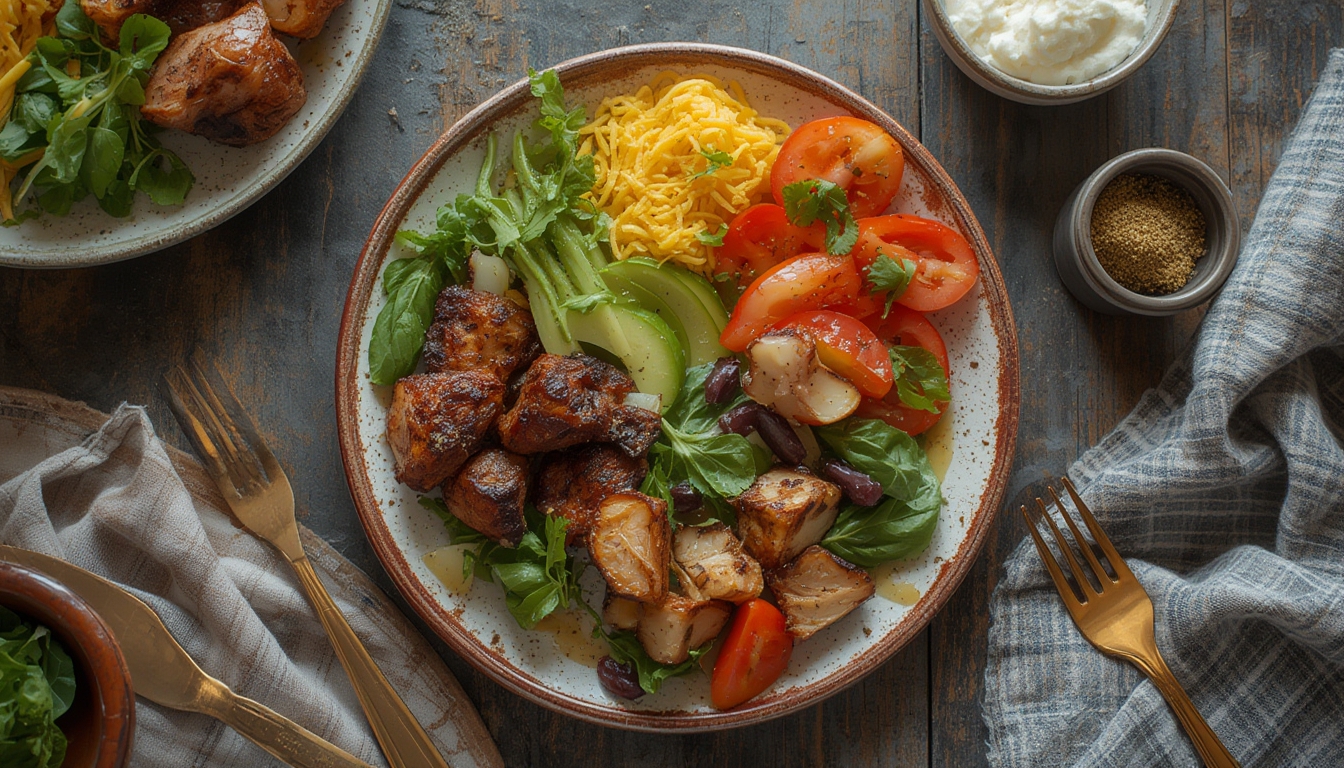
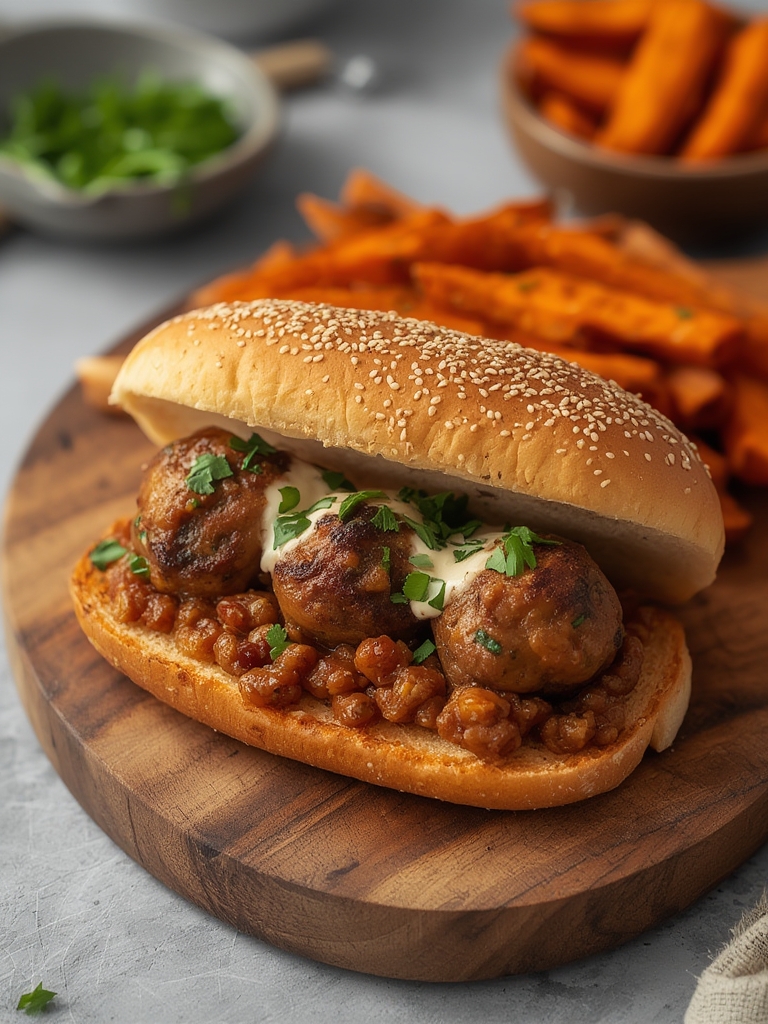
Embracing a plant‑forward and flexitarian lifestyle doesn’t mean giving up flavor, protein, or variety. It simply shifts the spotlight to vegetables, legumes, whole grains, and nuts while still allowing occasional animal‑based ingredients for balance. Below is a data‑driven, step‑by‑step guide that walks you through planning, sourcing, preparing, and enjoying plant‑forward plates that satisfy both the palate and nutritional needs.
Step 1: Assess Your Baseline and Set Realistic Goals
Before you redesign your meals, take a quick inventory of what you currently eat. Use a simple spreadsheet or a free nutrition‑tracking app to log a week’s worth of meals. Identify the percentage of plant‑based foods versus animal‑based foods. Research shows that moving from a typical 30% plant intake to 50% can improve fiber intake by up to 25 % and reduce saturated fat by 10 % within a month.
Actionable Tips
- Mark each meal with a “P” for plant‑forward (vegetables, legumes, whole grains) or “A” for animal‑based.
- Set a measurable target, e.g., “Make 3 out of 5 dinner plates plant‑forward each week.”
- Schedule a brief weekly review to adjust the target based on how well you met it.
Step 2: Build a Core Plant‑Forward Pantry
A well‑stocked pantry removes the guesswork from meal planning. Focus on items that have a long shelf life, high nutrient density, and versatility across cuisines.
Essential Staples
- Legumes: canned or dried chickpeas, black beans, lentils, and split peas.
- Whole Grains: quinoa, brown rice, farro, barley, and whole‑wheat pasta.
- Root Vegetables: sweet potatoes, carrots, and beets (store in a cool, dark place).
- Nuts & Seeds: almonds, walnuts, chia, and hemp seeds for protein and healthy fats.
- Flavor Boosters: low‑sodium vegetable broth, miso paste, nutritional yeast, and a variety of dried herbs.
Practical Storage Hacks
- Transfer bulk grains into airtight glass jars to keep them fresh for up to 12 months.
- Freeze cooked beans in portion‑sized bags; they thaw quickly and retain texture.
- Rotate pantry items using the “first‑in, first‑out” method to avoid waste.
Step 3: Choose Seasonal, Local Produce
Data from the USDA shows that seasonal produce contains up to 30 % more vitamins than out‑of‑season imports. Visiting farmers’ markets or joining a CSA (Community Supported Agriculture) box can also reduce your carbon footprint.
How to Pick the Best Produce
- Look for firm, unblemished skins on vegetables; they indicate freshness.
- Smell herbs and leafy greens—aroma is a reliable indicator of flavor.
- Buy in small batches and store in breathable produce bags to prolong freshness.
Actionable Storage
- Wrap leafy greens in a paper towel before placing them in a perforated bag; this absorbs excess moisture and prevents wilting.
- Store root vegetables in a dark, humid drawer (around 40 % humidity) to maintain crunch.
- Keep herbs upright in a glass of water, loosely covered with a plastic bag, and change the water every two days.
Step 4: Design Balanced Flexitarian Plates
A flexitarian plate typically follows the “plant‑protein‑grain” triangle: ½ plate vegetables, ¼ whole grains, and ¼ protein (plant‑based or occasional animal‑based). This ratio aligns with the Harvard Healthy Eating Plate and supports optimal macronutrient distribution.
Plate Construction Checklist
- Vegetable Base (50 %): Aim for at least three colors—red, orange, green—to maximize phytonutrients.
- Whole Grain Layer (25 %): Cook grains with low‑sodium broth for added flavor.
- Protein Portion (25 %): Rotate between legumes, tofu, tempeh, and occasional fish or poultry.
- Healthy Fat Finish (optional): Drizzle a teaspoon of olive oil, sprinkle seeds, or add avocado slices.
Quick Assembly Example
- Roasted cauliflower and bell peppers (vegetables).
- Quinoa tossed with chopped parsley and lemon zest (grain).
- Pan‑seared tempeh marinated in tamari and ginger (protein).
- Finish with a sprinkle of toasted pumpkin seeds and a drizzle of tahini.
Step 5: Master Simple Cooking Techniques
Efficient cooking methods preserve nutrients and keep prep time under 30 minutes—ideal for busy weekdays.
Roasting
- Preheat oven to 425°F (220°C). Toss vegetables in 1‑2 tbsp oil, salt, and pepper.
- Spread in a single layer; roast 20‑25 minutes, shaking halfway.
- Roasting caramelizes natural sugars, enhancing flavor without added sauces.
Sautéing
- Heat a non‑stick pan over medium‑high heat; add a splash of oil.
- Add aromatics (garlic, onion) first, then sturdier vegetables (carrots, broccoli).
- Finish with quick‑cooking greens (spinach, kale) for 1‑2 minutes.
One‑Pot Meals
- Combine grains, legumes, and broth in a pot; bring to a boil.
- Reduce heat, cover, and simmer until liquid is absorbed (usually 15‑20 minutes).
- Stir in pre‑roasted vegetables and a protein source for a complete plate.
Step 6: Portion, Store, and Reheat Safely
Meal prepping saves time and ensures you stick to your plant‑forward goals. Follow these data‑backed storage practices to maintain quality.
Portioning
- Use a kitchen scale: 150 g cooked vegetables, 100 g cooked grains, 100 g protein per serving.
- Divide meals into BPA‑free containers with separate compartments for sauce or dressing.
Refrigeration & Freezing
- Store cooked grains and legumes in the fridge for up to 4 days.
- Freeze cooked vegetables and proteins in airtight bags for up to 3 months; label with date.
Reheating Tips
- Microwave with a splash of water and cover loosely to retain moisture.
- For crisp textures, reheat roasted vegetables in a hot oven (350°F) for 5‑7 minutes.
Step 7: Track Results and Iterate
Use simple metrics to gauge success: energy levels, digestion comfort, and weekly plate composition. A short monthly survey can reveal patterns—e.g., “I felt more energized on weeks with ≥3 plant‑forward dinners.” Adjust your pantry, recipes, or portion sizes based on these insights.
Actionable Feedback Loop
- Log each meal’s composition in a spreadsheet.
- Rate your satisfaction (1‑5) and note any physical effects.
- At month’s end, calculate the average plant‑forward percentage and adjust goals accordingly.
By following these data‑driven steps, you’ll create delicious, nutritionally balanced flexitarian plates that are easy to prepare, store, and enjoy. The result is a sustainable eating pattern that supports health, reduces environmental impact, and keeps your taste buds excited.