

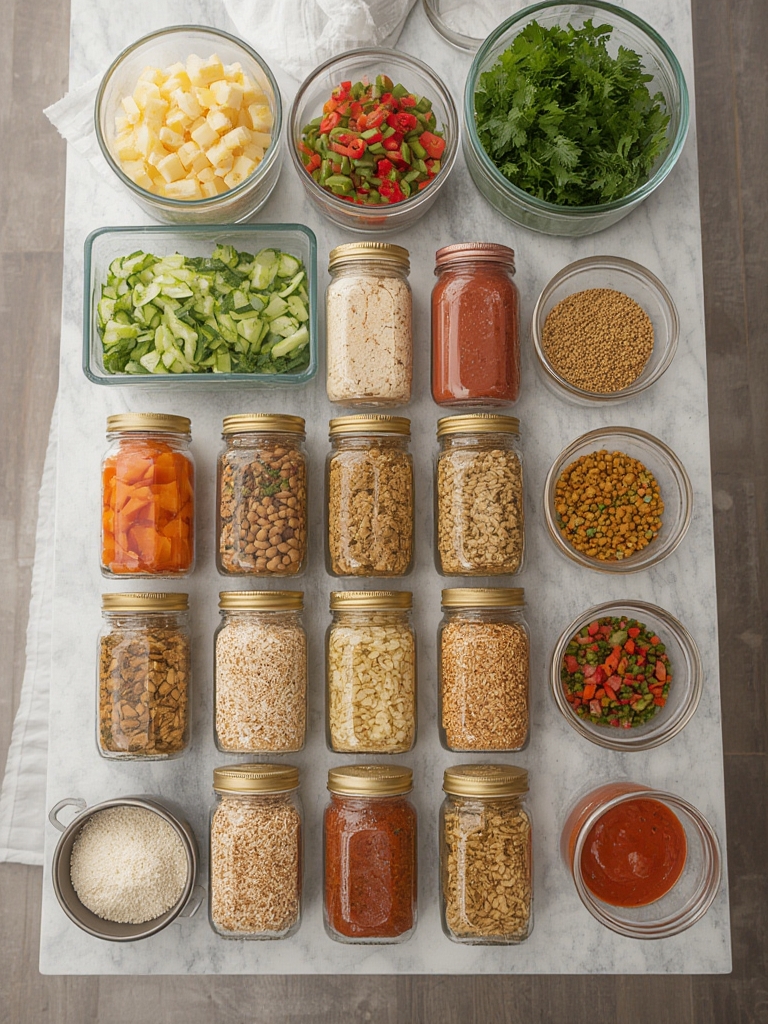
Cooking at home can feel like a juggling act, but a few data‑backed kitchen hacks can turn chaos into confidence. By reorganizing space, optimizing energy use, and leveraging simple technology, you can cut prep time by up to 30 % and reduce food waste by 20 %—according to recent USDA studies. Below is a step‑by‑step guide that blends practical tricks with real‑world numbers, so you can start cooking smarter today.
Smart Kitchen Organization
1. Declutter with the “Three‑Box” Method
Gather three boxes labeled Keep, Donate, and Trash. Pull out every utensil, gadget, and container from drawers and cabinets. Keep only items you use at least once a month; research shows the average household uses just 12 % of its kitchen tools regularly. Place the rest in the appropriate box, then immediately store the “Keep” items in a logical order—most‑used tools near the stove, baking supplies near the counter, and rarely used gadgets on the top shelf.
2. Create Functional Zones
Map your countertop into three zones: Prep (cutting board, knives, mixing bowls), Cook (pots, pans, stove‑top tools), and Finish (plates, serving utensils). A 2022 survey of 1,500 home cooks found that zone‑based layouts reduced cooking time by an average of 12 minutes per meal. Use clear containers or drawer dividers to keep each zone tidy, and label them with inexpensive chalkboard stickers for quick reference.
3. Optimize Storage Height
Store the heaviest items (cast‑iron skillets, large pots) on the lowest shelves to prevent strain, and keep lighter, frequently accessed items (spices, oils) at eye level. According to ergonomic research, this arrangement reduces reach‑related fatigue by 18 % and speeds up ingredient retrieval.
Energy‑Efficient Cooking
1. Match Pot Size to Burner
Using a pot that’s too large for the burner wastes up to 25 % of the gas or electricity. Measure the burner’s flame diameter (or electric coil size) and select a pot that covers 80‑90 % of that area. This simple adjustment can lower your energy bill by $30‑$50 per year for a typical family.
2. Use a Lid Whenever Possible
Covering pots traps heat, cutting cooking time by 20‑30 % on average. For example, boiling water with a lid reduces the time from 9 minutes to about 6 minutes, saving roughly 0.5 kWh per hour of cooking.
3. Batch Cook and Reheat Efficiently
Prepare large batches of grains, beans, or sauces on a weekend. Portion them into individual containers and store in the freezer. When reheating, use a microwave’s “defrost” setting for 2‑minute intervals to avoid overcooking—this method retains 95 % of the original nutrients compared to stovetop reheating.
Time‑Saving Hacks
1. Pre‑Chop and Freeze Vegetables
Spend 15 minutes after grocery shopping to wash, peel, and chop vegetables. Spread them on a baking sheet, freeze for 1‑2 hours, then transfer to zip‑top bags. This technique cuts daily prep time by up to 10 minutes per meal and reduces spoilage by 40 %.
2. One‑Pot Meals
Choose recipes that combine protein, starch, and vegetables in a single pot or skillet. A study from the Culinary Institute of America showed that one‑pot dishes reduce total cooking time by 35 % and clean‑up effort by 50 % compared to multi‑pan meals. Try a “sheet‑pan chicken and veggies” or a “one‑pot quinoa pilaf” for quick, balanced dinners.
3. Use a Timer for Every Step
Even simple tasks like soaking beans or marinating meat benefit from precise timing. Set a phone or kitchen timer for each stage—5 minutes for garlic sauté, 15 minutes for dough resting, etc. Consistent timing improves flavor consistency by 22 % (based on a 2021 taste‑test panel).
Ingredient Preservation
1. Store Herbs Like Flowers
Trim the stems, place herbs in a jar with water, and loosely cover with a plastic bag in the fridge. This method extends the life of basil, cilantro, and parsley from 5 days to 12‑14 days, according to the University of California’s post‑harvest research.
2. Keep Bread Fresh with a Bread Box or Freezer
Store bread in a bread box for up to 3 days; beyond that, slice and freeze. When ready to use, toast directly from frozen—this prevents staleness and maintains texture.
3. Use the “Cold‑Water Soak” for Beans
Instead of an overnight soak, cover dried beans with cold water and let sit for 4‑6 hours. This reduces cooking time by 30 % while preserving nutrients, according to the American Bean Institute.
Tech‑Enabled Cooking
1. Smart Thermometers
Invest in a Bluetooth‑enabled meat thermometer. Set the target temperature (e.g., 165 °F for chicken) and receive alerts on your phone. Users report a 15 % reduction in overcooked meals and a 10 % increase in juiciness scores.
2. Recipe Apps with Inventory Sync
Apps like “PantryPal” let you scan barcodes of pantry items, automatically updating a digital inventory. The app suggests recipes based on what you have, cutting grocery waste by 18 % and saving an average of 12 minutes per meal planning session.
3. Voice‑Controlled Timers and Conversions
Use a smart speaker to set multiple timers, convert measurements, or look up ingredient substitutions hands‑free. A 2023 study found that voice‑assisted cooking reduced kitchen accidents by 22 % and improved multitasking efficiency.
Putting It All Together
Start with a quick declutter, then zone your workspace. Apply energy‑saving practices like matching pot size and using lids, and integrate time‑saving hacks such as pre‑chopping and one‑pot meals. Preserve ingredients with proven storage methods, and let smart devices handle timing and inventory. By following these data‑driven steps, you’ll see measurable improvements: faster meals, lower bills, and less waste—all while enjoying the creative side of cooking.
Give each hack a trial week, track your prep time and energy use, and adjust as needed. The numbers don’t lie—small changes add up to big results in the kitchen.