

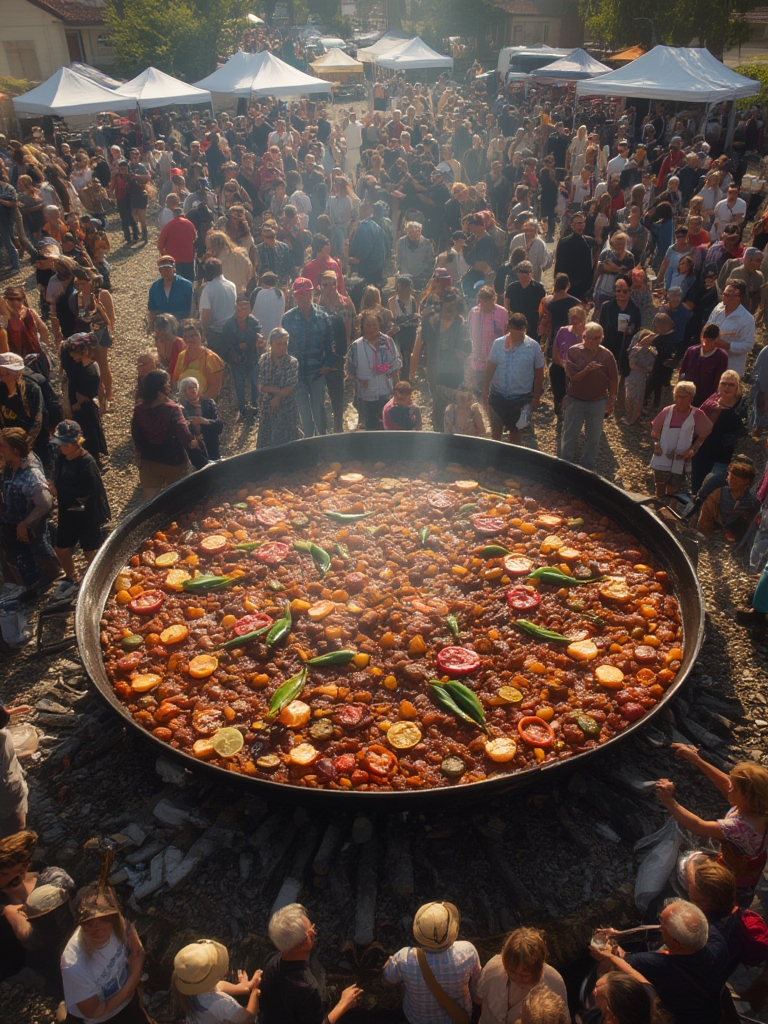
When it comes to creating Instagram‑worthy plates, the secret often lies in the harmony between flavor and visual appeal. Aesthetic food & styling isn’t just about plating; it’s about using ingredients that look as good as they taste. One of the most versatile ways to elevate any dish is by incorporating fresh, edible flowers and vibrant microgreens. Not only do they add a pop of color, but they also bring subtle flavors that can transform a simple salad into a masterpiece. Below is a step‑by‑step guide to growing and caring for these beautiful, edible plants, followed by practical styling tips to make your culinary creations stand out.
Choosing the Right Edible Flowers and Microgreens
Start by selecting varieties that thrive in your climate and suit your culinary goals. Some popular choices include:
- Calendula (pot marigold) – bright orange petals with a slightly peppery taste.
- Viola (bachelor’s button) – delicate purple or white blossoms, mildly sweet.
- Nasturtium – peppery leaves and vibrant orange‑red flowers.
- Micro basil – concentrated aroma, perfect for garnish.
- Radish microgreens – crunchy texture and a hint of spice.
Pick at least three different colors to ensure a balanced palette on the plate.
Setting Up Your Growing Space
Materials You’ll Need
- Shallow trays (2–4 inches deep) with drainage holes.
- Organic seed‑starting mix – light and well‑draining.
- Spray bottle for misting.
- Grow lights (LED or fluorescent) if natural light is limited.
- Label stickers to track varieties.
Step‑by‑Step Setup
- Prepare the trays: Fill each tray with seed‑starting mix, leaving about ½ inch from the top.
- Moisten the soil: Use a spray bottle to evenly dampen the mix; it should be moist but not soggy.
- Sow the seeds: Sprinkle seeds thinly across the surface. For microgreens, press them lightly into the soil; for larger flowers, space them 1–2 inches apart.
- Cover lightly: Place a second tray upside down on top to retain humidity, or cover with a clear plastic dome.
- Position the trays: Place them near a sunny window (6–8 hours of light) or under grow lights set 12–14 inches above the soil.
Daily Care Routine
Watering
Check the soil each morning. If the top ¼ inch feels dry, mist lightly. Avoid overwatering, which can cause mold. For microgreens, a gentle mist is usually sufficient; larger flower seedlings may need a light watering with a fine‑spray nozzle.
Light Management
Maintain 12–16 hours of light for optimal growth. If using natural light, rotate trays daily to ensure even exposure. For LED lights, set a timer to avoid burnout and keep the temperature between 65–75 °F (18–24 °C).
Temperature & Airflow
Consistent temperature promotes uniform growth. Use a small fan on low speed to improve airflow and reduce the risk of fungal issues. Avoid drafts that can cause seedlings to wilt.
Harvesting Techniques
Microgreens
Harvest microgreens when they reach 1–2 inches tall, typically 7–14 days after sowing. Use clean scissors to cut just above the soil line. Rinse gently in cold water, pat dry, and store in a breathable container (e.g., a paper towel‑lined zip‑lock bag) for up to 5 days.
Edible Flowers
Pick flowers early in the morning after the dew has dried but before the sun intensifies. Choose fully opened blooms with vibrant petals; avoid any that show signs of wilting or discoloration. Cut stems with a sharp pair of scissors, leaving a small portion of the stem to keep the flower fresh longer.
Styling Your Dishes with Fresh Harvests
Color Coordination
Use the color wheel as a guide: pair orange calendula with deep greens, purple violas with bright yellows, and red nasturtiums with neutral tones like beet or quinoa. This creates visual contrast that draws the eye.
Texture Balance
Combine the delicate crunch of microgreens with the soft, buttery texture of avocado or the creamy richness of goat cheese. The contrast enhances mouthfeel and makes each bite interesting.
Placement Strategies
- Scatter technique: Lightly toss microgreens over a salad for an even, airy look.
- Accent placement: Position a single flower on top of a plated entrée to serve as a focal point.
- Layered garnish: Create a “garden” effect by arranging different heights—use taller stems like nasturtiums at the back and low‑lying microgreens in front.
Flavor Pairings
Match the subtle taste of each plant with complementary ingredients:
- Calendula petals pair well with citrus‑based dressings.
- Viola adds a sweet note to desserts, especially when mixed with whipped cream.
- Nasturtium’s peppery bite enhances avocado toast or roasted beet salads.
- Micro basil works beautifully in tomato‑based sauces or pesto.
Maintaining a Sustainable Cycle
After each harvest, gently stir the soil to aerate it and add a thin layer of fresh seed‑starting mix. Re‑sow a new batch of seeds to keep a continuous supply. Compost any wilted leaves or spent stems to enrich future soil, creating a closed‑loop system that reduces waste and keeps your kitchen garden thriving.
Quick Reference Checklist
- Choose three contrasting edible flower or microgreen varieties.
- Prepare trays with well‑draining mix and ensure proper drainage.
- Maintain 12–16 hours of light and a temperature of 65–75 °F.
- Water with a misting bottle; avoid soggy soil.
- Harvest microgreens at 1–2 inches; pick flowers early morning.
- Use color, texture, and placement techniques to style dishes.
- Recycle spent material into compost for the next planting cycle.
By following these steps, you’ll have a steady stream of fresh, vibrant ingredients that not only taste amazing but also turn every plate into a visual masterpiece. The combination of careful cultivation and thoughtful styling ensures that your culinary creations are both delicious and Instagram‑ready, keeping your audience engaged and hungry for more.