
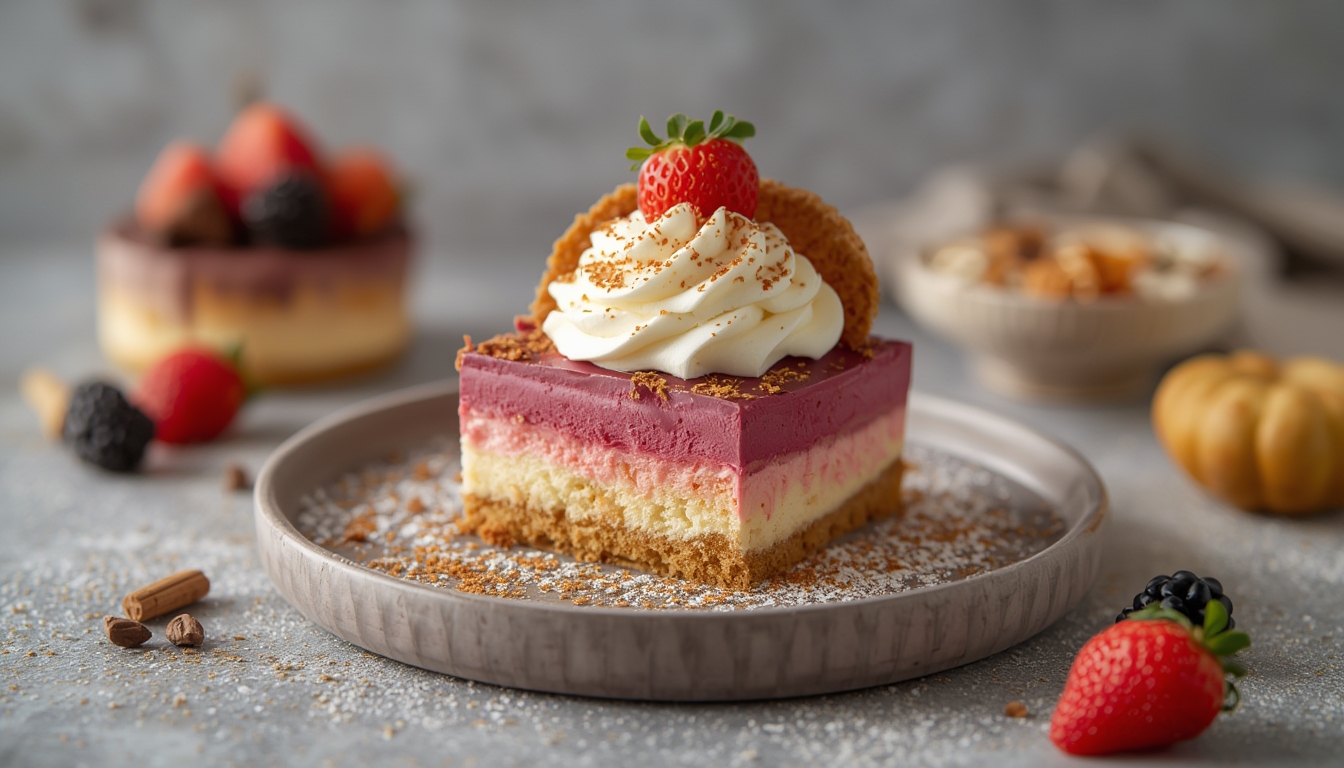
Modern desserts have evolved far beyond the classic cakes and pies of yesterday. Today’s sweet creations blend culinary artistry with scientific curiosity, inviting home bakers to experiment with textures, flavors, and presentation. Whether you’re curious about the silky smoothness of a sous‑vide custard, the airy lift of a nitrogen‑frozen mousse, or the playful pop of a fruit‑infused gel, this guide walks you through the essential steps to craft impressive, data‑driven sweet experiments in your own kitchen.
Understanding the Science Behind Modern Sweet Creations
Before diving into recipes, it helps to grasp the key scientific principles that make contemporary desserts stand out:
1. Emulsion Stability
Many modern desserts, such as mousse and ganache, rely on stable emulsions. Combining fat (butter, cream, chocolate) with water‑based liquids (fruit purées, milk) creates a smooth texture. Using an immersion blender or a whisk at the right speed ensures tiny droplets stay suspended, preventing separation.
2. Gelation and Setting
Gelatin, agar‑agar, and pectin are the backbone of modern jellies and layered desserts. Each has a unique setting temperature and concentration curve. For example, agar sets at 40‑45 °C and remains firm at room temperature, while gelatin requires cooling below 20 °C to firm up.
3. Aeration and Foam
Incorporating air creates light, airy desserts. Techniques like whipping egg whites, using a siphon with nitrous oxide, or employing a hand‑held frother can introduce controlled bubbles. The key is to balance protein content (for stability) with sugar (for sweetness) to avoid collapse.
4. Temperature Control
Precision is vital. Sous‑vide baths, candy thermometers, and instant‑read probes help you maintain exact temperatures, whether you’re tempering chocolate at 31 °C or caramelizing sugar at 170 °C.
Step‑by‑Step Sweet Experiments
Experiment 1: Sous‑Vide Vanilla Custard
This custard delivers a velvety mouthfeel thanks to low‑temperature cooking that prevents curdling.
- Gather Ingredients: 4 large egg yolks, 100 g granulated sugar, 250 ml whole milk, 250 ml heavy cream, 1 vanilla bean (or 2 tsp vanilla extract).
- Prepare the Bath: Set your sous‑vide circulator to 82 °C (180 °F). This temperature gently coagulates proteins without over‑cooking.
- Mix the Base: In a bowl, whisk yolks and sugar until pale. Warm milk, cream, and split vanilla bean in a saucepan until just simmering, then slowly whisk into the yolk mixture.
- Seal and Cook: Transfer the mixture to a vacuum‑seal bag, remove air, and submerge in the water bath for 45 minutes.
- Finish and Chill: Remove the bag, pour custard into ramekins, and chill for at least 2 hours. Serve with fresh berries or a drizzle of caramel.
Experiment 2: Nitro‑Frozen Mango Mousse
Using liquid nitrogen creates an ultra‑smooth, instantly frozen mousse that melts on the tongue.
- Ingredients: 300 g ripe mango puree, 100 ml coconut cream, 30 g powdered sugar, 1 tsp lime zest.
- Whip the Base: Combine mango puree, coconut cream, sugar, and zest. Whip with a hand mixer until light and airy.
- Freeze with Nitrogen: In a well‑ventilated area, slowly pour liquid nitrogen into the mousse while stirring with a stainless steel spoon. The mixture will freeze within seconds, forming a fine, snow‑like texture.
- Serve Immediately: Scoop into chilled glasses and garnish with mint leaves. The rapid freeze locks in fresh mango flavor and a silky mouthfeel.
Experiment 3: Agar‑Based Fruit Gel Cubes with Pop‑In‑Your‑Mouth Texture
These cubes burst with flavor and a playful pop, perfect for plating alongside plated desserts.
- Choose Your Fruit: Use 200 ml fruit juice (e.g., passion fruit, raspberry) and 2 g agar‑agar powder.
- Heat and Dissolve: Bring juice to a boil, then whisk in agar‑agar. Simmer for 2 minutes to fully dissolve.
- Cool Slightly: Let the mixture drop to 40 °C before adding 20 g of maltodextrin (optional) for a slightly crunchy exterior.
- Set in Molds: Pour into silicone ice‑cube trays and refrigerate for 30 minutes.
- Finish: Pop the cubes onto desserts; they will burst with juice and a subtle snap.
Experiment 4: Deconstructed Lemon Tart with Caramelized Meringue
This modern take separates classic components, allowing diners to experience each element individually.
- Crust Crumble: Bake a shortbread crust, then crumble and toast in a dry skillet for extra crunch.
- Lemon Curd: Whisk together 120 ml lemon juice, zest, 100 g sugar, 2 eggs, and 50 g butter over a bain‑marie until thickened. Cool.
- Meringue: Beat 3 egg whites with a pinch of cream of tartar until soft peaks form. Gradually add 150 g sugar, then pipe onto a parchment sheet. Use a kitchen torch to caramelize the surface, achieving a crisp, golden top.
- Plate: Layer crust crumble, a spoonful of lemon curd, and a shard of caramelized meringue. Drizzle with a thin lemon‑infused syrup for shine.
Practical Tips for Consistent Success
Measure Precisely
Weight ingredients using a digital scale. Small variations in sugar or liquid ratios can dramatically affect texture, especially in gelation and aeration.
Control Humidity
High humidity can soften meringues and affect caramelization. If your kitchen is humid, dehydrate meringue shells in a low‑heat oven (50 °C) for an extra 30 minutes.
Use Fresh, High‑Quality Produce
Flavor intensity hinges on the freshness of fruits and herbs. For purees, strain through a fine mesh to remove pulp that could interfere with smooth textures.
Experiment with Ratios
Keep a simple spreadsheet to log ingredient ratios, temperatures, and outcomes. Over time, you’ll identify the sweet spot for each experiment, turning intuition into data‑driven confidence.
Safety First with Liquid Nitrogen
Always wear insulated gloves and work in a well‑ventilated area. Avoid direct contact with skin and never seal nitrogen‑treated mixtures in airtight containers, as pressure buildup can cause explosions.
Bringing Modern Dessert Experiments to Your Blog
When sharing these creations, focus on vivid descriptions and step‑by‑step photos. Highlight the science behind each technique to engage curious readers. By blending data‑driven precision with creative flair, you’ll inspire both novice bakers and seasoned chefs to explore the limitless possibilities of modern desserts.