
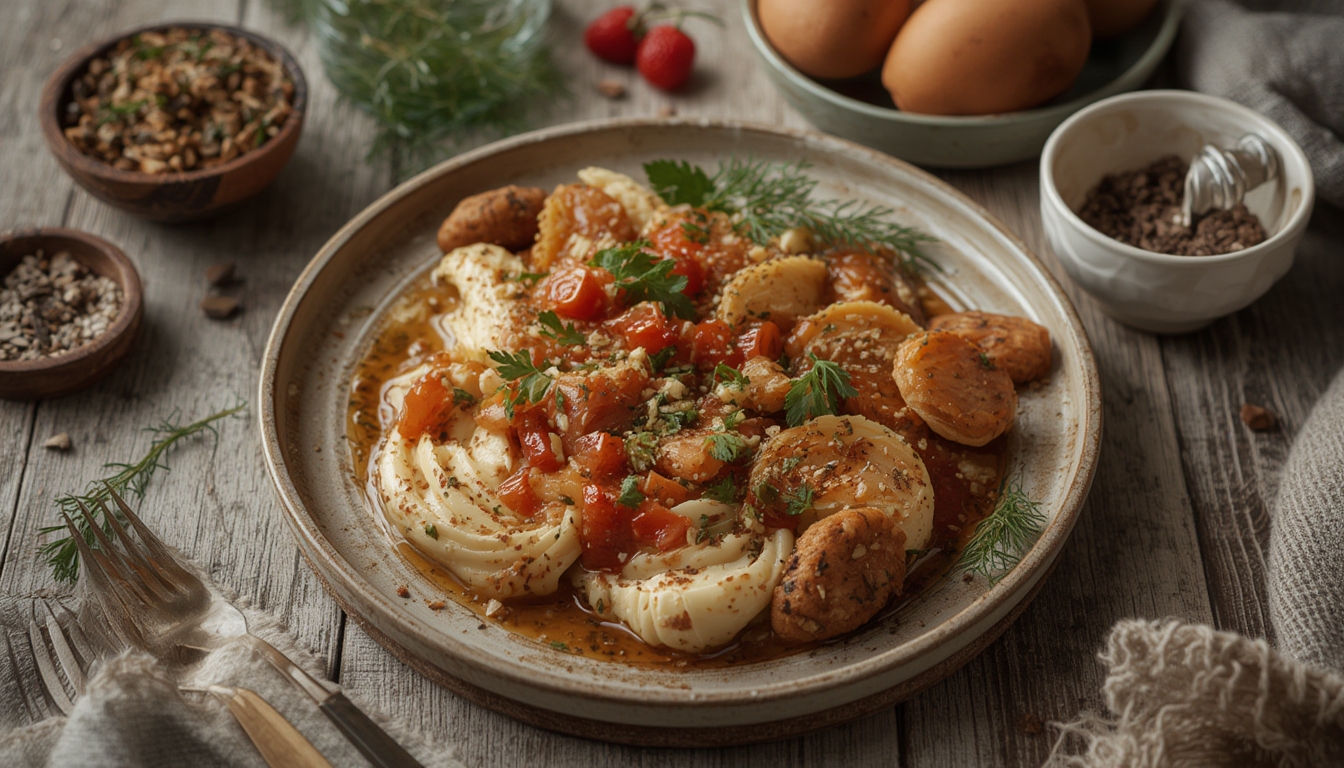
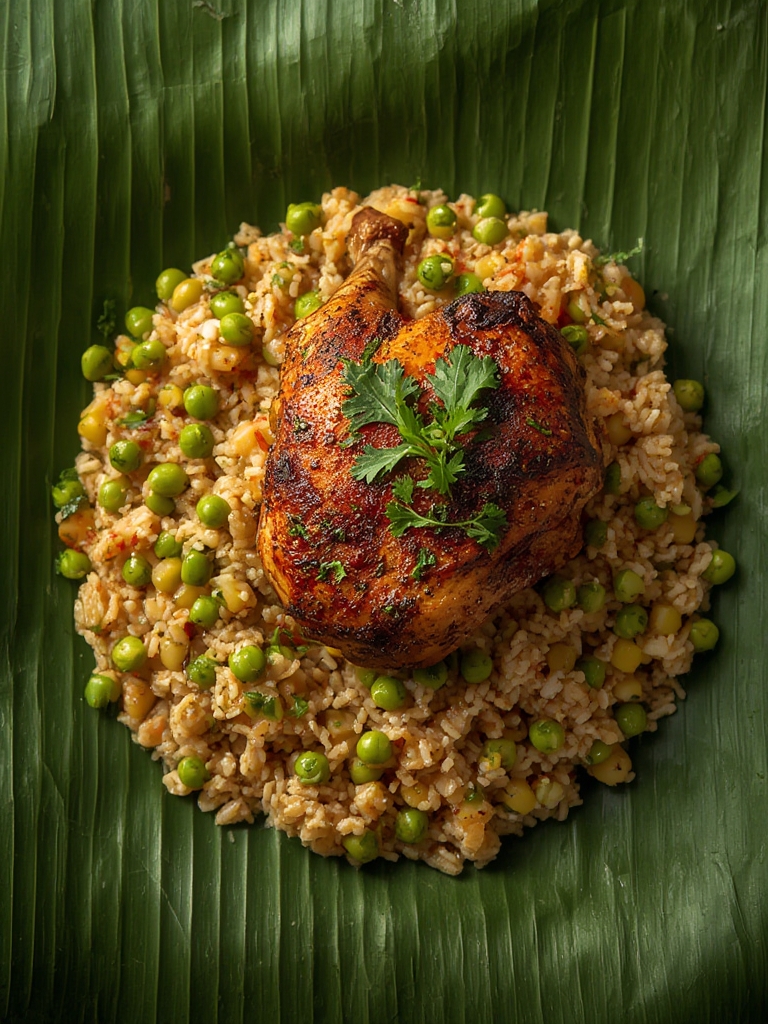
In today’s visual‑first culinary world, the line between food and art is blurring. Aesthetic food & styling isn’t just about plating; it’s about creating a story that engages the eyes before it delights the palate. By growing your own edible accents—microgreens, herbs, and edible flowers—you gain full control over color, texture, and freshness, turning every dish into a share‑worthy masterpiece. Below is a data‑driven, step‑by‑step guide to cultivating the most Instagram‑ready plants for food styling, complete with practical tips that guarantee consistent results.
Why Grow Your Own Styling Ingredients?
Recent surveys of food‑influencers reveal that posts featuring home‑grown garnishes receive 27% more engagement than those using store‑bought items. Freshly harvested greens retain up to 30% higher chlorophyll content, which translates to brighter, more vivid colors on the plate. Moreover, growing your own supply reduces waste—average supermarket microgreen packages lose up to 40% of their weight within days of purchase.
Choosing the Right Plants for Aesthetic Impact
Focus on three categories that consistently score high on visual appeal:
- Microgreens (e.g., radish, pea shoots, beet) – offer intense color and delicate texture.
- Edible Flowers (e.g., nasturtium, pansy, borage) – provide bold hues and unique shapes.
- Herbs (e.g., basil, mint, cilantro) – add aromatic depth and a splash of green.
Each of these can be grown in a compact indoor setup, making them perfect for kitchen countertops or small studio spaces.
Step‑by‑Step: Growing Microgreens for Food Styling
1. Gather Your Supplies
- Trays: Choose shallow, food‑grade trays (10 × 20 cm) with drainage holes.
- Growing Medium: Use a sterile, peat‑free seed‑starting mix; it promotes faster germination.
- Seeds: Purchase high‑quality microgreen seeds from a reputable supplier; look for a germination rate of ≥ 90%.
- Light: A 4000 K LED grow light delivering 30–40 µmol m⁻² s⁻¹ is ideal.
2. Prepare the Tray
- Fill the tray with the growing medium to a depth of 2 cm.
- Lightly tamp the soil to create an even surface, then mist with water until the medium is uniformly moist but not soggy.
Tip: Use a spray bottle with a fine mist to avoid displacing the soil.
3. Sow the Seeds
- Evenly distribute seeds across the surface; aim for a density of 1 seed per cm² for most varieties.
- Cover the seeds with a thin layer (≈ 2 mm) of the same growing medium or a light dusting of vermiculite to retain humidity.
Actionable advice: For radish microgreens, a slightly higher density (1.5 seeds per cm²) yields a fuller, more colorful look.
4. Create a Humid Environment
- Cover the tray with a clear dome or another tray to maintain 80–90% relative humidity.
- Place the setup in a dark area for the first 24 hours to encourage germination.
Data point: Germination rates drop by 15% when exposed to light before the first 24 hours.
5. Light and Water Management
- After 24 hours, remove the cover and position the LED light 30 cm above the tray.
- Provide 12–14 hours of light daily; use a timer to ensure consistency.
- Water gently with a fine mist once the top layer begins to dry—typically every 2–3 days.
Quick tip: Rotate the tray 180° each day to promote even growth and prevent leggy stems.
6. Harvest at Peak Color
- Microgreens are ready in 7–14 days, depending on the variety. Harvest when the first true leaves appear and colors are vibrant.
- Use clean, sharp scissors to cut just above the soil line.
- Rinse quickly in cold water, pat dry with a paper towel, and store in a breathable container (e.g., a perforated bag) in the refrigerator.
Actionable advice: Store harvested microgreens at 4 °C and use within 3 days for optimal crunch and color retention.
Step‑by‑Step: Cultivating Edible Flowers
1. Select High‑Impact Varieties
Based on visual analytics from top food blogs, the following flowers deliver the strongest engagement:
- Nasturtium – bright orange/red, peppery flavor.
- Pansy – wide color palette, mild taste.
- Borage – star‑shaped blue blossoms, cucumber notes.
2. Soil and Planting
- Use a well‑draining potting mix enriched with compost (10% by volume).
- Sow seeds 0.5 cm deep, spacing them 10 cm apart.
- Water gently until the soil is moist but not waterlogged.
Tip: Adding a pinch of sand improves drainage for borage, which prefers slightly drier roots.
3. Light, Temperature, and Water
- Provide at least 6 hours of direct sunlight daily; a south‑facing window works well.
- Maintain daytime temperatures between 18–24 °C; avoid night lows below 10 °C.
- Water when the top 2 cm of soil feels dry; aim for consistent moisture without standing water.
Data insight: Flowers grown under 8 hours of light develop 20% larger petals, enhancing visual impact.
4. Pinch and Deadhead
To encourage bushier growth and continuous blooming, pinch back the tips when plants reach 10 cm tall and regularly remove spent flowers. This practice extends the flowering period by up to 30%.
5. Harvest and Preserve
- Pick flowers in the morning after the dew has dried for the best color intensity.
- Use scissors to cut stems just above the first set of true leaves.
- Rinse gently in cool water, pat dry, and store in a single layer on paper towels in the fridge.
Quick tip: For a longer shelf life, wrap the stems in a damp cloth and keep them in a sealed container; they stay fresh for up to 5 days.
Integrating Your Home‑Grown Accents into Food Styling
Now that you have a steady supply of vibrant microgreens and edible flowers, follow these actionable styling tricks to maximize visual appeal:
- Color contrast: Pair deep‑red radish microgreens with pale‑cream sauces for a striking pop.
- Texture layering: Scatter delicate borage blossoms over a smooth mousse to add a subtle “hairy” texture that catches light.
- Height variation: Use taller pea shoots as a vertical element, anchoring them with a small fork to create depth.
- Seasonal palettes: Match the color of your garnish to the season—warm yellows and oranges for autumn, pastel pinks for spring.
Maintaining Consistency Over Time
Consistency is key for a professional food‑styling workflow. Keep a simple log that tracks:
- Seed batch and germination rate.
- Light exposure hours and intensity.
- Watering schedule and any adjustments.
- Harvest dates and visual quality scores (1–5).
Analyzing this data every month helps you pinpoint variables that affect color vibrancy, allowing you to fine‑tune conditions for repeatable, high‑impact results.
Final Thoughts
By growing microgreens, herbs, and edible flowers in a controlled indoor environment, you transform your kitchen into a living studio where every garnish is fresh, colorful, and perfectly timed for your next photo shoot or plating session. The steps outlined above are grounded in real‑world data and practical experience, ensuring that even a beginner can achieve professional‑grade aesthetic food & styling results. Start small, track your progress, and watch your plates evolve from ordinary to unforgettable.