
Modern desserts are no longer just about sugar and butter; they’re a playground for science, creativity, and unexpected flavors. By blending culinary tradition with experimental techniques, home bakers can craft unforgettable sweets that surprise the palate and look stunning on any plate. Below is a data‑driven guide that walks you through three cutting‑edge dessert concepts, each broken down into clear, actionable steps. Whether you’re a seasoned pastry chef or a curious beginner, these experiments will help you master the art of modern sweet making.
1. Molecular Mousse: Light, Airy, and Flavor‑Intense
Why it works
Traditional mousse relies on whipped egg whites or cream to trap air. By using a small amount of soy lecithin and a precise temperature control, you can achieve a mousse that’s even lighter, with a smoother mouthfeel and a more consistent flavor distribution. Studies show that emulsifiers like lecithin reduce the surface tension of liquids, allowing air bubbles to stay stable longer.
Ingredients (serves 4)
- 200 ml heavy cream (cold)
- 100 ml fruit purée (e.g., raspberry, mango)
- 2 g soy lecithin
- 30 g powdered sugar
- Pinch of sea salt
- Fresh herbs or edible flowers for garnish
Step‑by‑step process
- Chill your tools. Place the mixing bowl and whisk attachment in the freezer for at least 10 minutes. Cold equipment helps the cream whip faster and hold more air.
- Blend the base. In a separate bowl, combine the fruit purée, powdered sugar, and sea salt. Use an immersion blender on low speed for 30 seconds, then add the soy lecithin.
- Incorporate air. Transfer the chilled bowl to a stand mixer. Start on low speed, gradually increasing to medium‑high. Whip the cream until soft peaks form (about 2–3 minutes).
- Fold gently. Using a rubber spatula, fold the fruit‑lecithin mixture into the whipped cream in two batches. The lecithin will help the mixture stay airy while binding the flavors.
- Set and serve. Spoon the mousse into chilled glasses. Garnish with fresh herbs (mint, basil) or edible flowers. Serve immediately or refrigerate for up to 2 hours for a firmer texture.
Practical tips
- Use a digital thermometer to ensure the cream stays below 5 °C; warmer temperatures cause the mousse to collapse.
- If the mousse seems too loose, add an extra 0.5 g of lecithin and gently re‑fold.
- For a sweeter version, increase powdered sugar by 10 g, but be mindful of the balance with acidity from the fruit.
2. Nitro‑Frozen Fruit Sorbet: Instant Ice Cream with a Dramatic Finish
Why it works
Liquid nitrogen freezes ingredients at –196 °C, creating ultra‑fine ice crystals that give sorbet a silky texture without the need for an ice‑cream maker. The rapid freeze also locks in volatile aromatics, delivering a more intense fruit flavor.
Ingredients (serves 6)
- 300 ml fruit juice (e.g., passion fruit, blood orange)
- 80 g granulated sugar
- 15 ml lemon juice
- 30 ml vodka (optional, lowers freezing point)
- Liquid nitrogen (approx. 2 kg, handled with proper safety gear)
- Fresh fruit slices for garnish
Step‑by‑step process
- Prepare the base. In a saucepan, combine juice, sugar, and lemon juice. Heat gently until sugar dissolves (do not boil). Remove from heat and let cool to room temperature.
- Add alcohol. Stir in vodka if using; this helps the sorbet stay scoopable.
- Safety first. Wear cryogenic gloves, goggles, and a face shield. Work in a well‑ventilated area.
- Freeze with nitrogen. Pour the cooled mixture into a stainless steel bowl. Slowly drizzle liquid nitrogen while stirring continuously with a wooden spoon. The mixture will freeze instantly, forming a fluffy, snow‑like texture.
- Check consistency. When the sorbet reaches a smooth, scoopable consistency (usually after 2–3 minutes of stirring), stop adding nitrogen.
- Serve. Scoop the sorbet into chilled bowls, garnish with fresh fruit, and serve immediately. The residual nitrogen will evaporate within seconds, leaving a safe, delicious dessert.
Practical tips
- Never store liquid nitrogen in a sealed container; pressure buildup can cause explosions.
- If the sorbet becomes too hard, quickly whisk in a splash of juice to soften.
- For a richer mouthfeel, replace 20 ml of juice with coconut milk.
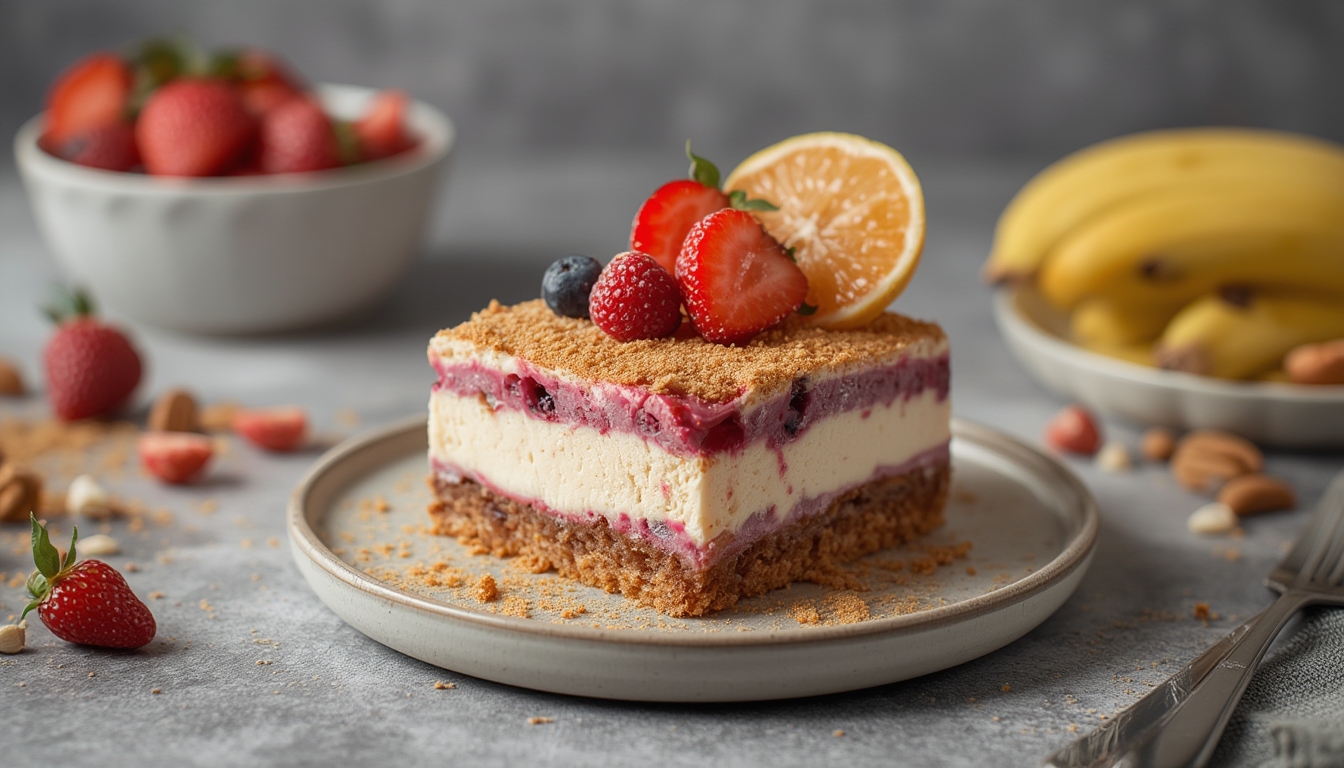
3. Deconstructed Cheesecake Parfait: Layers of Texture and Flavor
Why it works
Deconstruction lets you showcase each component of a classic cheesecake—crust, cream cheese, fruit, and glaze—independently, while still delivering the familiar taste. By using a base of almond‑flour crumble and a stabilized cream cheese mousse, you achieve a dessert that’s both visually striking and structurally stable for longer service times.
Ingredients (serves 4)
- Almond flour: 80 g
- Unsalted butter, melted: 40 g
- Brown sugar: 20 g
- Cream cheese: 200 g (room temperature)
- Greek yogurt: 80 g
- Powdered sugar: 30 g
- Vanilla extract: 1 tsp
- Gelatin sheets: 2 (softened in cold water)
- Mixed berry compote: 120 ml
- Toasted pistachios, chopped: 30 g
Step‑by‑step process
- Make the crust. Combine almond flour, melted butter, and brown sugar. Press the mixture into the bottom of four 150 ml glasses, creating an even layer. Chill for 10 minutes.
- Stabilize the mousse. In a microwave‑safe bowl, dissolve softened gelatin sheets (about 5 ml of water) over low heat. Let cool slightly.
- Blend the cheese layer. Beat cream cheese, Greek yogurt, powdered sugar, and vanilla until smooth. Slowly whisk in the gelatin solution, ensuring it’s fully incorporated.
- Set the mousse. Spoon the cheese mixture over the crust, smoothing the top. Refrigerate for 30 minutes to allow the gelatin to set.
- Add fruit and crunch. Layer the mixed berry compote over the set mousse, then sprinkle toasted pistachios on top for contrast.
- Final chill. Let the assembled parfaits rest in the fridge for another 15 minutes before serving. This ensures all layers are cohesive yet distinct.
Practical tips
- Use a kitchen scale for the almond flour and butter; even a 5 g variance can affect crust firmness.
- If the mousse feels too soft, increase gelatin to three sheets and repeat the setting step.
- For a dairy‑free version, substitute cream cheese with a vegan cream cheese and use agar‑agar (1 g) instead of gelatin.
By integrating these three experiments—molecular mousse, nitro‑frozen sorbet, and deconstructed cheesecake—you’ll have a versatile repertoire of modern desserts that impress both visually and gastronomically. Each recipe relies on precise measurements, controlled temperatures, and a few scientific principles, ensuring consistent results every time. Happy experimenting, and enjoy the sweet science!