
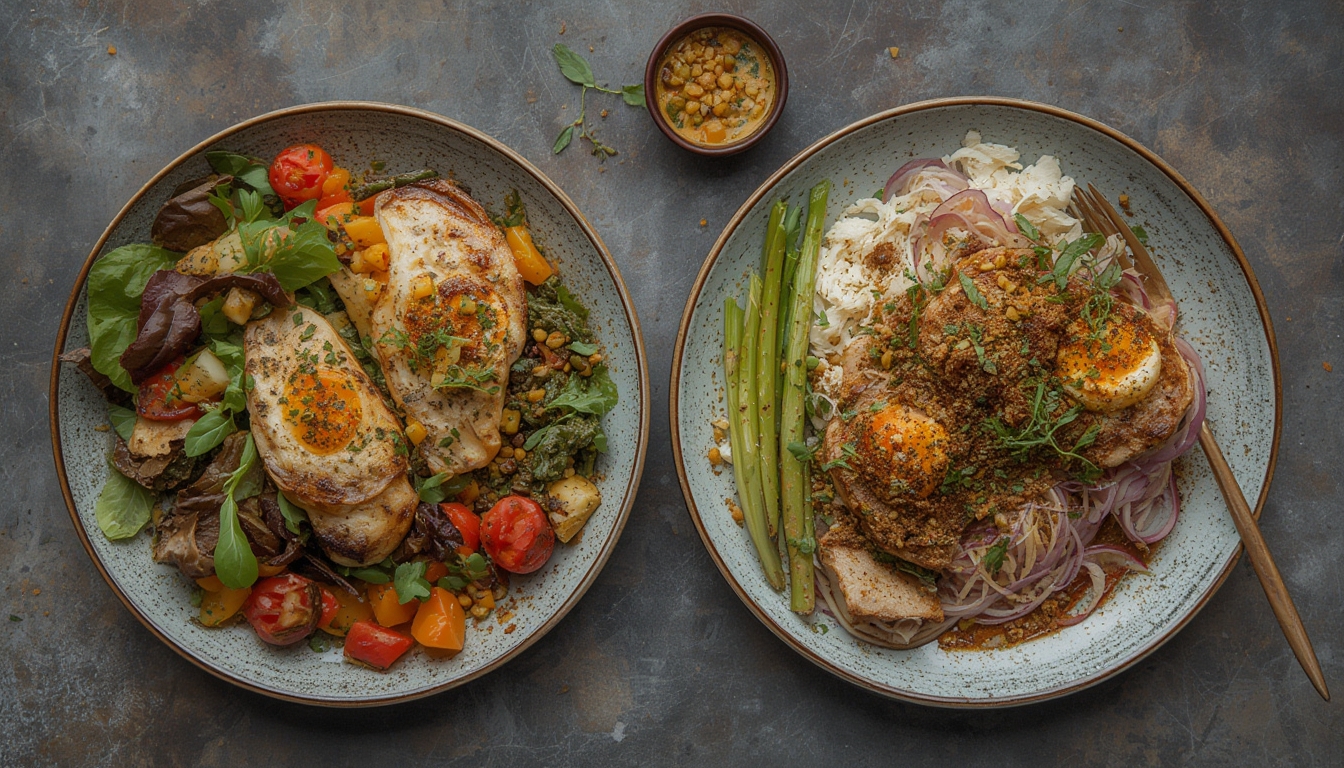

Adopting a plant‑forward and flexitarian approach doesn’t mean giving up the foods you love—it’s about shifting the plate’s focus to vegetables, legumes, whole grains, and sustainably sourced animal proteins. By using data‑driven insights on nutrition, environmental impact, and consumer trends, you can craft meals that are both delicious and aligned with health and planet goals. Below is a step‑by‑step guide to building plant‑forward flexitarian plates, complete with practical tips you can apply in the kitchen today.
1. Start with a Data‑Backed Plate Ratio
Research from the Harvard T.H. Chan School of Public Health shows that meals composed of 50‑60% vegetables, 20‑30% whole grains, and 10‑20% protein (plant‑based or animal) deliver optimal nutrient density while reducing carbon footprints. Use this ratio as a baseline for every plate.
Step 1A: Measure Your Base
- Tool: A kitchen scale or a simple hand‑measure (½ cup = ~120 g).
- Action: Fill half your plate with non‑starchy vegetables (leafy greens, broccoli, peppers).
- Tip: Pre‑wash and chop veggies in bulk; store in airtight containers to keep them crisp for up to 5 days.
Step 1B: Add Whole Grains
- Options: Quinoa, brown rice, farro, or millet.
- Action: Cook a batch of grains (1 cup dry yields ~3 cups cooked) and portion ¼ of your plate.
- Tip: Rinse grains before cooking to reduce phytic acid, improving mineral absorption.
Step 1C: Choose Protein Wisely
- Plant‑Based: Lentils, chickpeas, tofu, tempeh, edamame.
- Animal‑Based (Flexitarian): Wild‑caught fish, free‑range poultry, eggs.
- Action: Allocate ¼ of the plate to protein; aim for 20‑30 g per serving.
- Tip: Marinate tofu or tempeh for at least 30 minutes to boost flavor without extra fat.
2. Optimize Flavor with the Five‑Senses Method
Data from the Journal of Sensory Studies indicates that meals engaging all five senses increase satiety and reduce overall calorie intake. Incorporate texture, color, aroma, taste, and sound into each bite.
Step 2A: Color Contrast
- Action: Pair deep‑green kale with bright orange carrots and purple cabbage.
- Tip: Use a rainbow chart to plan weekly meals, ensuring at least three different colors per plate.
Step 2B: Texture Variety
- Action: Combine crunchy raw veggies (radish) with creamy cooked legumes (hummus).
- Tip: Toast nuts or seeds (e.g., pumpkin seeds) for 5 minutes at 350°F to add a satisfying snap.
Step 2C: Aromatic Boost
- Action: Finish dishes with fresh herbs (basil, cilantro) or a drizzle of citrus zest.
- Tip: Store herbs in a glass of water in the fridge; they stay fresh up to 2 weeks.
Step 2D: Balanced Taste
- Action: Aim for a balance of sweet (roasted sweet potatoes), salty (tamari), sour (lemon juice), bitter (arugula), and umami (mushrooms).
- Tip: Use a “taste wheel” to check that each flavor component appears at least once per meal.
Step 2E: Sound & Mouthfeel
- Action: Include a light crunch (crisped chickpeas) that creates an audible snap.
- Tip: Avoid over‑mixing sauces; a slight graininess can enhance the eating experience.
3. Plan Ahead with a Weekly Flexitarian Menu
According to a 2023 Nielsen report, 68 % of flexitarian consumers plan meals ahead to stay on track. A structured menu reduces decision fatigue and waste.
Step 3A: Create a Master Grocery List
- Action: List all vegetables, grains, and proteins needed for the week.
- Tip: Group items by store section to speed up shopping and minimize impulse buys.
Step 3B: Batch‑Cook Core Components
- Action: Cook a large pot of beans, a tray of roasted veggies, and a grain base on Sunday.
- Tip: Portion into reusable containers; label with date and reheating instructions.
Step 3C: Rotate Protein Sources
- Action: Schedule plant proteins on Monday, Wednesday, Friday; animal proteins on Tuesday, Thursday, Saturday.
- Tip: Use a spreadsheet to track protein variety and ensure you hit at least three different sources per week.
4. Track Nutrition and Environmental Impact
Tools like the USDA FoodData Central and the World Resources Institute’s Foodprint Calculator provide real‑time data on calories, macro‑nutrients, and carbon emissions per serving.
Step 4A: Log Macro‑Nutrients
- Action: Enter each ingredient into a free app (e.g., MyFitnessPal) to see total protein, fiber, and healthy fats.
- Tip: Aim for ≥ 25 g fiber per day; add a side of lentils or chia seeds to meet the goal.
Step 4B: Calculate Carbon Footprint
- Action: Use the Foodprint Calculator to compare plant‑based vs. animal‑based protein emissions.
- Tip: Replace one animal protein serving per week with a legume dish to cut average meal emissions by ~0.5 kg CO₂e.
5. Fine‑Tune with Seasonal Adjustments
Seasonal produce not only tastes better but also costs up to 30 % less, according to USDA price data. Adjusting your plate to what’s in season maximizes flavor and budget efficiency.
Step 5A: Identify In‑Season Vegetables
- Action: Check a local farmer’s market calendar or the USDA Seasonal Produce Guide.
- Tip: Swap out out‑of‑season items (e.g., asparagus in winter) for comparable nutrients (e.g., kale).
Step 5B: Adapt Recipes Quickly
- Action: Replace a recipe’s main vegetable with a seasonal alternative while keeping cooking times similar.
- Tip: Keep a “swap list” (e.g., zucchini ↔ summer squash) to streamline modifications.
6. Evaluate and Iterate
After a week of plant‑forward flexitarian meals, review your data and adjust accordingly.
Step 6A: Review Nutrition Logs
- Action: Check if you met fiber (≥ 25 g) and protein (≥ 0.8 g/kg body weight) targets.
- Tip: If protein is low, add a serving of Greek yogurt or a handful of nuts.
Step 6B: Assess Satisfaction
- Action: Rate each meal on a 1‑5 scale for taste, fullness, and ease of preparation.
- Tip: Keep a simple table; aim for an average rating of ≥ 4.
Step 6C: Make One Small Change
- Action: Introduce a new spice, try a different grain, or switch a protein source.
- Tip: Incremental tweaks prevent overwhelm and keep meals exciting.
By following these data‑driven steps, you’ll create plant‑forward flexitarian plates that are nutritionally balanced, environmentally friendly, and consistently enjoyable. The key is to start with a solid ratio, layer in sensory appeal, plan ahead, track outcomes, and iterate based on real‑world feedback. Happy cooking!