
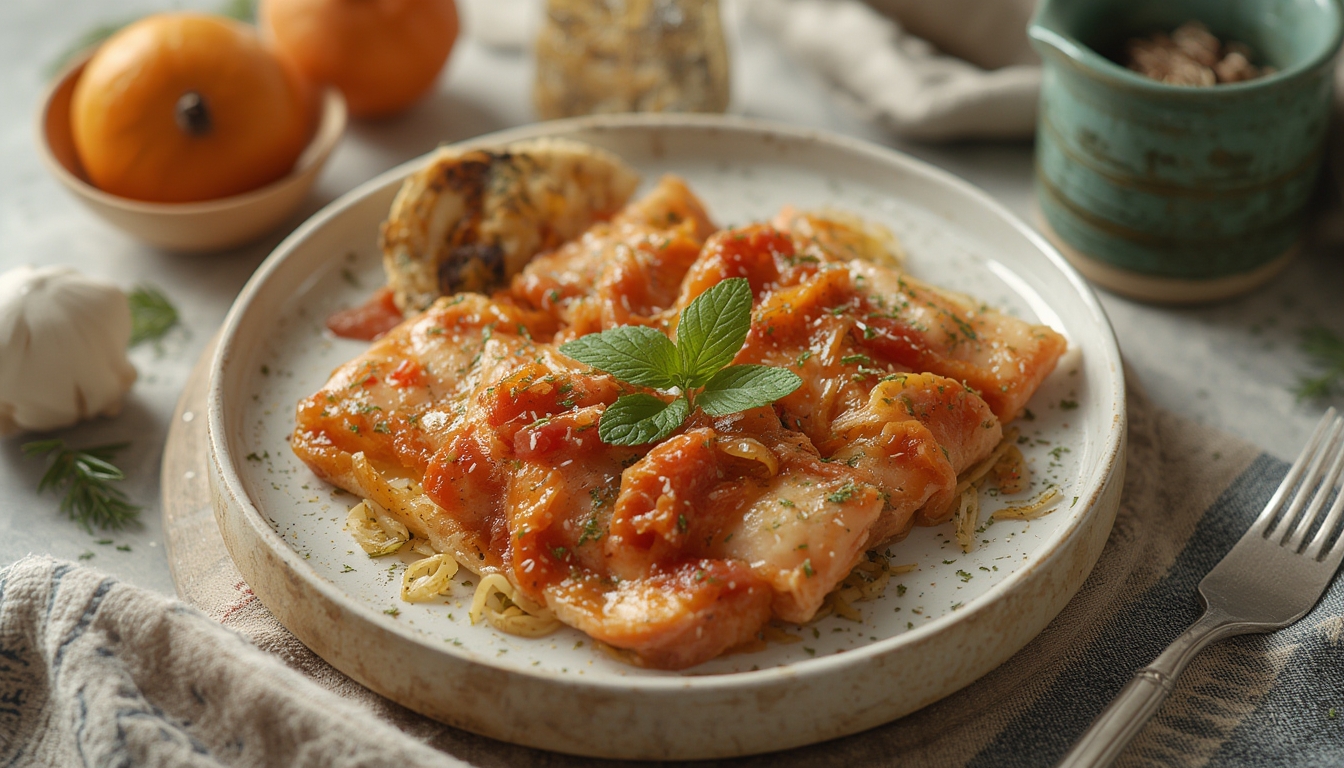

When it comes to creating dishes that are as beautiful as they are delicious, the secret often lies in the garden. Edible flowers and vibrant micro‑greens bring color, texture, and a fresh flavor that can transform a simple plate into a work of art. This guide walks you through the entire process—from selecting the right varieties to harvesting and styling—so you can consistently produce stunning, Instagram‑worthy food.
Choosing the Right Plants for Aesthetic Food Styling
Edible Flowers
- Calendula (Calendula officinalis) – Bright orange‑yellow petals that add a sunny pop.
- Viola (Viola cornuta) – Delicate purple and white blossoms perfect for delicate garnishes.
- Nasturtium (Tropaeolum majus) – Peppery leaves and vivid red, orange, or yellow flowers.
- Rose (Rosa spp.) – Fragrant, layered petals in a range of hues; choose organic varieties.
Micro‑Greens
- Radish – Spicy flavor with a striking pink‑red stem.
- Pea Shoots – Sweet, tender leaves and tiny, bright green buds.
- Sunflower – Crunchy texture and a sunny yellow color.
- Beet Greens – Deep magenta stems that add dramatic contrast.
Pick varieties that complement the dishes you plan to serve. For a pastel‑themed dessert, go with violas and beet micro‑greens. For a bold, savory entrée, nasturtiums and radish micro‑greens work beautifully.
Step‑by‑Step Growing Guide
1. Preparing the Soil
Both edible flowers and micro‑greens thrive in well‑draining, nutrient‑rich soil. Use a high‑quality potting mix blended with 20 % compost. For container growers, fill a 6‑inch deep tray with the mix, pressing gently to eliminate air pockets.
Tip: Add a teaspoon of gypsum per gallon of mix to improve calcium availability, which helps prevent blossom end rot in some flower varieties.
2. Sowing Seeds
Edible Flowers: Scatter seeds thinly on the surface, then cover with a fine layer of soil (about ¼ inch). Water gently with a mist bottle to avoid displacing seeds.
Micro‑Greens: Spread seeds densely—up to 1 cm apart—across the tray. Lightly press them into the soil and cover with a thin veil of vermiculite to retain moisture.
Actionable advice: Label each tray with the variety and sowing date. This small habit saves time when planning harvests and prevents mix‑ups.
3. Light and Temperature
Place trays in a bright location receiving at least 6 hours of indirect sunlight daily. For year‑round growth, a south‑facing windowsill or a grow‑light set to 4000 K works well.
Temperature range: 65‑75 °F (18‑24 °C) for most edible flowers; 60‑70 °F (15‑21 °C) for micro‑greens. Avoid temperature swings, which can cause bolting or stunted growth.
4. Watering Routine
Keep the soil consistently moist but not soggy. Use a watering can with a fine rose or a drip system to deliver water evenly.
Practical tip: Insert a wooden skewer into the soil; if it pulls up dry soil, it’s time to water. For micro‑greens, mist twice daily to maintain a humid micro‑environment.
5. Feeding
After the first true leaves appear (usually 2‑3 weeks for flowers), feed with a diluted liquid fertilizer (½ strength) once every two weeks. Micro‑greens generally need no extra feeding if the seed mix is nutrient‑dense.
Quick win: Use a fish‑emulsion fertilizer for a natural boost of nitrogen, which encourages lush foliage and vibrant flower colors.
6. Managing Pests
Common pests include aphids, spider mites, and whiteflies. Spot‑treat with neem oil or a mild soap spray early in the morning to avoid leaf burn.
Actionable advice: Introduce beneficial insects like ladybugs in larger garden beds; they keep aphid populations in check without chemicals.
7. Harvesting
Edible Flowers: Cut blossoms early in the morning when essential oils are at their peak. Use clean, sharp scissors to snip stems just above the first set of leaves. Harvest only a third of the plant at a time to allow continuous blooming.
Micro‑Greens: Harvest when the first true leaves have fully unfolded (usually 7‑14 days). Cut the greens just above the soil line with a clean knife. Rinse gently and pat dry before using.
Tip for styling: Keep harvested flowers in a glass of cool water, covered loosely with a damp paper towel, to maintain freshness for up to 48 hours.
Styling Your Harvest for Maximum Visual Impact
Color Coordination
Group flowers by complementary colors. Pair deep magenta beet stems with soft pink violas for a romantic palette, or contrast bright orange calendula with deep green pea shoots for a fresh, modern look.
Texture Balance
Mix delicate petals with crunchy micro‑greens. The contrast between a tender rose petal and a crisp sunflower micro‑green adds depth to plates.
Plating Techniques
- Scatter Method: Lightly toss micro‑greens over a dish, then place whole flowers strategically for focal points.
- Layered Approach: Lay a base of micro‑greens, add a drizzle of sauce, and finish with a single flower as a garnish.
- Edible Bouquet: Assemble a small bunch of mixed flowers and micro‑greens in a decorative glass; serve as an edible centerpiece.
Preserving Freshness on the Plate
Keep plated dishes cool until service. If you’re preparing ahead of time, store micro‑greens in a breathable produce bag and keep flowers in a chilled water bath. This prevents wilting and keeps colors vivid.
Maintaining a Sustainable Cycle
Re‑seed Regularly
Plan a staggered sowing schedule: start a new batch of seeds every two weeks. This ensures a continuous supply of fresh flowers and micro‑greens throughout the growing season.
Compost Plant Waste
After harvesting, compost spent soil, stems, and any wilted foliage. The resulting nutrient‑rich compost can be mixed back into your potting mix, reducing waste and enhancing soil health.
Seasonal Adjustments
In cooler months, shift to indoor grow lights and increase humidity with a pebble tray. For summer heat, provide shade cloths and increase airflow to prevent overheating.
Final Thoughts
Integrating edible flowers and micro‑greens into your kitchen routine not only elevates the visual appeal of your dishes but also adds fresh, nuanced flavors. By following these data‑driven steps—selecting the right varieties, mastering soil preparation, maintaining consistent moisture, and harvesting at peak freshness—you’ll create a reliable source of aesthetic food elements. The result? Plates that delight the eye, tantalize the palate, and keep guests coming back for more.