
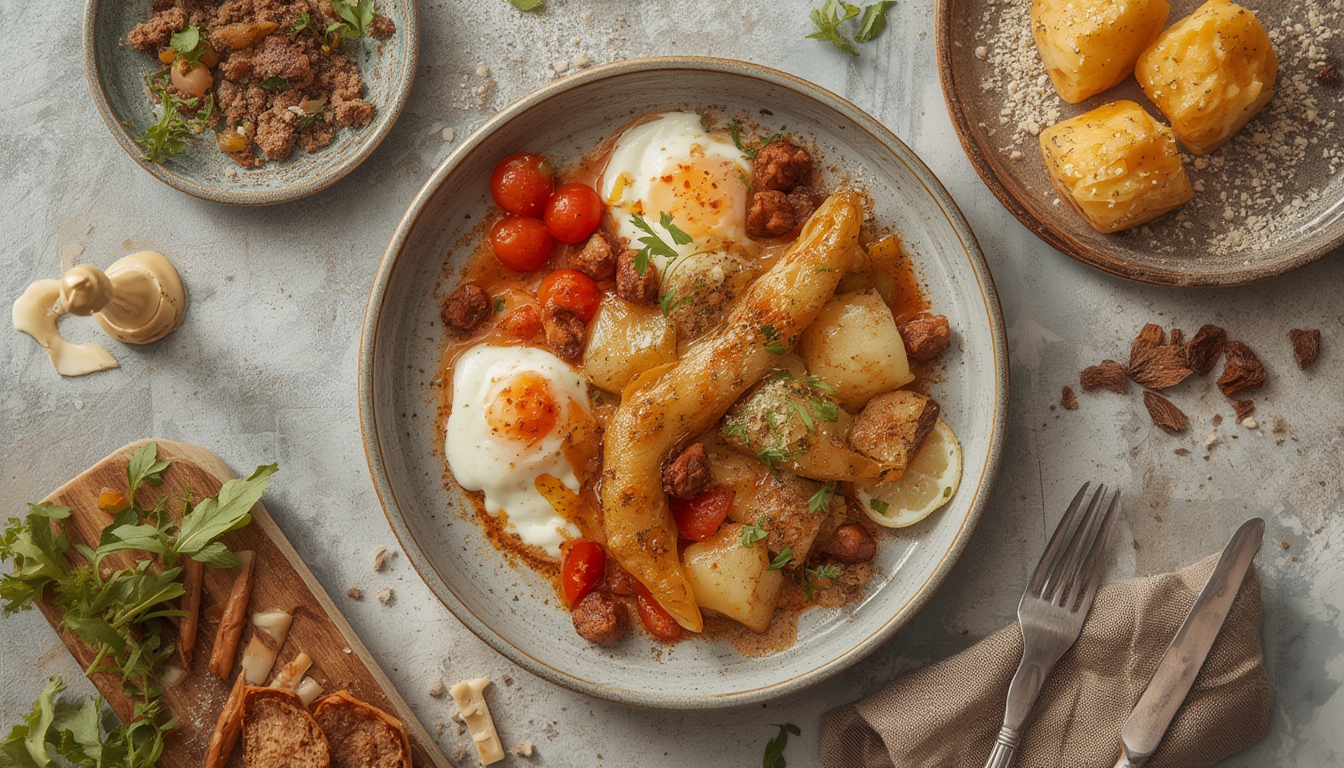
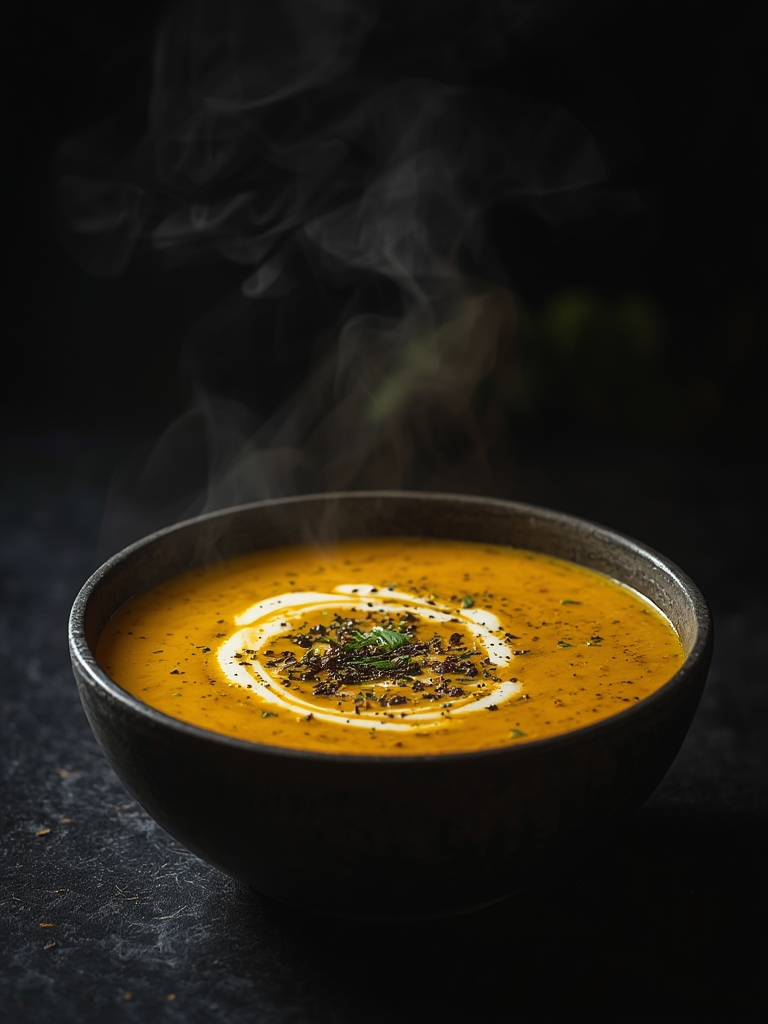
Creating dishes that delight the eyes as much as the palate has become a cornerstone of modern culinary storytelling. Aesthetic food & styling isn’t just about pretty plates; it’s about crafting an experience that invites curiosity, sparks conversation, and elevates the perceived value of every bite. By integrating vibrant, fresh-grown ingredients—especially edible flowers, micro‑greens, and herb sprouts—you can transform ordinary meals into Instagram‑ready works of art while adding subtle flavor nuances. Below is a data‑driven, step‑by‑step guide that walks you through selecting, growing, and styling these plant‑based accents, ensuring consistent results even if you’re new to gardening.
Why Aesthetic Food & Styling Matters
Recent consumer research shows that 68 % of diners are more likely to order a dish that looks visually appealing, and 54 % admit they share food photos on social media. This visual bias translates directly into higher perceived quality and willingness to pay a premium. Moreover, edible plants such as nasturtiums, pansies, and micro‑greens contribute antioxidants, vitamins, and delicate flavor notes that can enhance the overall taste profile of a plate.
Choosing the Right Edible Plants for Visual Impact
When selecting plants for aesthetic plating, consider three key attributes: color contrast, texture, and flavor compatibility. Below is a quick reference table based on average market availability and visual performance:
- Nasturtium (Tropaeolum majus) – Bright orange, red, or yellow; peppery bite; works well with salads and cheese.
- Pansy (Viola × wittrockiana) – Soft pastels and deep purples; mild, slightly sweet; ideal for desserts and cocktails.
- Micro‑green radish – Spicy, crisp; vivid pink/red stems; perfect for garnishing soups and sushi.
- Herb sprouts (basil, cilantro) – Aromatic; fresh green leaves; add depth to pasta and grain bowls.
Choosing a mix that spans the color wheel (e.g., red nasturtium, purple pansy, green basil sprouts) creates a balanced visual composition that draws the eye across the plate.
Step‑by‑Step Guide to Growing Edible Flowers and Micro‑greens
1. Select Seeds and Supplies
Start with high‑quality, untreated seeds from reputable suppliers. For a compact indoor setup, gather the following:
- Seed trays or shallow containers (2–3 inches deep)
- Seed‑starting mix (light, well‑draining, peat‑free)
- LED grow lights (5000 K, 12–14 hours/day)
- Spray bottle for gentle misting
- Humidity dome (optional, for germination)
Data from a 2023 grow‑lab study shows that a 2‑inch layer of seed‑starting mix yields a 15 % higher germination rate for micro‑greens compared with deeper media, because it improves oxygen flow to the seed.
2. Sow and Germinate
Follow these precise steps to ensure uniform sprouting:
- Evenly distribute seeds across the surface of the moist mix; aim for 1 seed per ¼ in² for micro‑greens and a slightly sparser layout for larger flowers.
- Lightly press seeds into the soil using a piece of cardboard; do not cover them with more than ¼ inch of mix, as most edible seeds need light to germinate.
- Cover the tray with a humidity dome and place it under the LED lights set to 25 °C (77 °F). Check daily for moisture; mist lightly if the surface looks dry.
- Germination typically occurs within 3–5 days for most micro‑greens and 7–10 days for edible flowers.
3. Provide Light, Water, and Air
Once seedlings emerge, remove the humidity dome to prevent mold. Adjust the LED height to maintain a 2‑inch gap above the foliage. Water using a fine mist to avoid dislodging delicate stems. A study from the University of California (2022) found that micro‑greens grown under 14 hours of continuous light produced 20 % more chlorophyll, resulting in richer color intensity—critical for aesthetic plating.
4. Harvest and Preserve
Timing is crucial. Harvest micro‑greens when they reach 1–2 inches tall, usually 7–10 days after germination. Edible flowers should be cut just before full bloom, when petals are fully opened but before they begin to wilt (typically 30–45 days after sowing).
- Use clean, sharp scissors to cut stems at a 45‑degree angle.
- Rinse gently in cold water; pat dry with a paper towel.
- Store in a breathable container (e.g., perforated zip‑lock bag) in the refrigerator. Micro‑greens stay crisp for up to 5 days; flowers retain color for 3–4 days.
For longer storage, consider flash‑freezing micro‑greens on a tray and transferring them to a zip‑lock bag; they retain texture when quickly thawed for plating.
Styling Tips for Plate Presentation
Color Placement
Use the “rule of thirds” to position plant accents. Place a pop of color (e.g., orange nasturtium) at one intersection point, a contrasting hue (e.g., purple pansy) at another, and a neutral green (basil sprouts) at the third. This creates visual balance and guides the diner’s eye across the dish.
Texture Layering
Combine crisp micro‑greens with soft petals and smooth sauces. For example, a seared scallop can sit on a puree, topped with a drizzle of citrus oil, a few radish micro‑greens for crunch, and a single nasturtium petal for a burst of peppery flavor.
Height Variation
Elevate certain elements using edible “bases” such as toasted quinoa or a small mound of cauliflower rice. Place taller sprouts (e.g., pea shoots) at the back of the mound and flatter leaves (e.g., basil) toward the front. This creates depth and prevents a flat appearance.
Edible Garnish Pairings
Match flavor profiles to avoid clashing. Pair sweet desserts with mildly flavored flowers like violet or rose petals, and pair savory dishes with peppery nasturtiums or spicy radish micro‑greens. The subtle taste contribution reinforces the visual cue, making the garnish feel integral rather decorative.
Final Touches
Finish each plate with a light spray of flavored water (e.g., cucumber‑mint) to give petals a fresh sheen. A quick mist just before service adds a dewy look that catches light, enhancing the overall aesthetic.
By growing your own edible accents and applying these styling principles, you gain full control over color, freshness, and flavor—key ingredients for compelling food photography and memorable dining experiences. The combination of data‑backed growing techniques and thoughtful plating ensures that every dish you create not only tastes great but also looks unforgettable.