
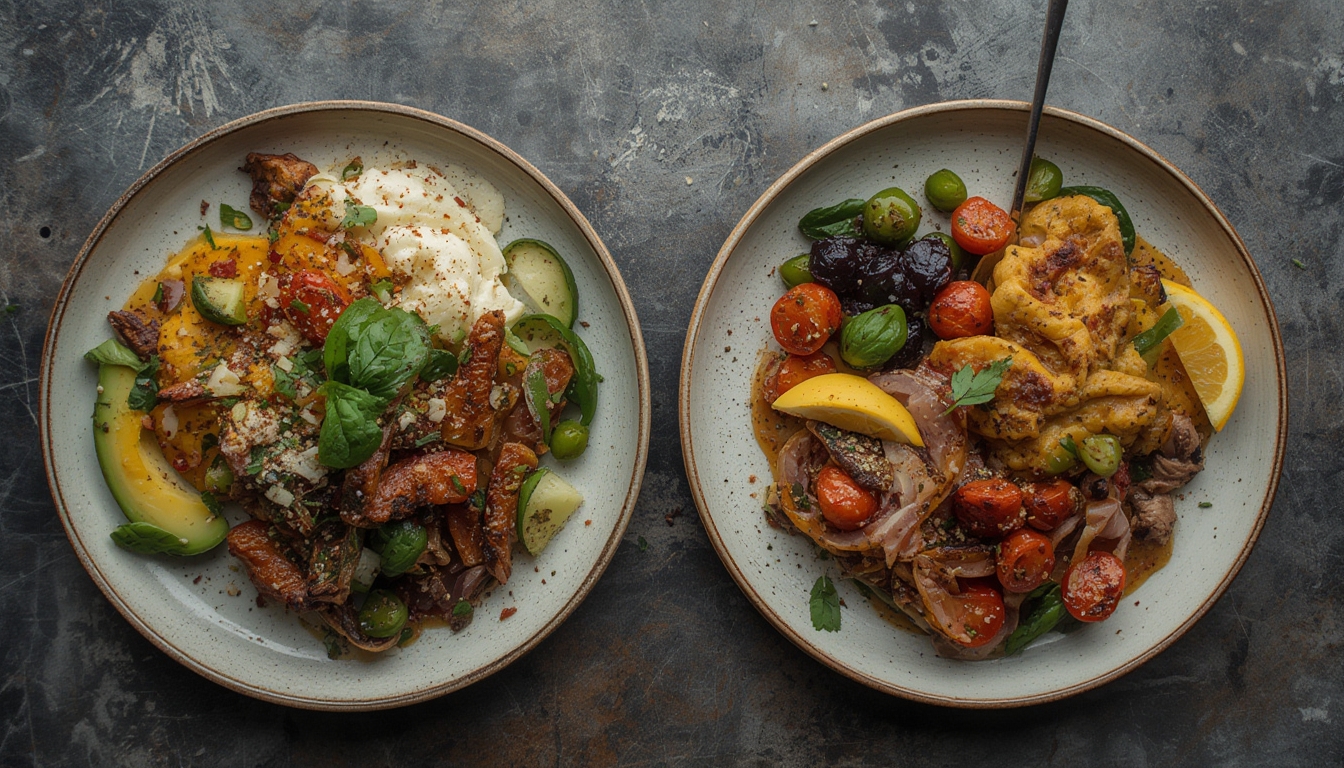
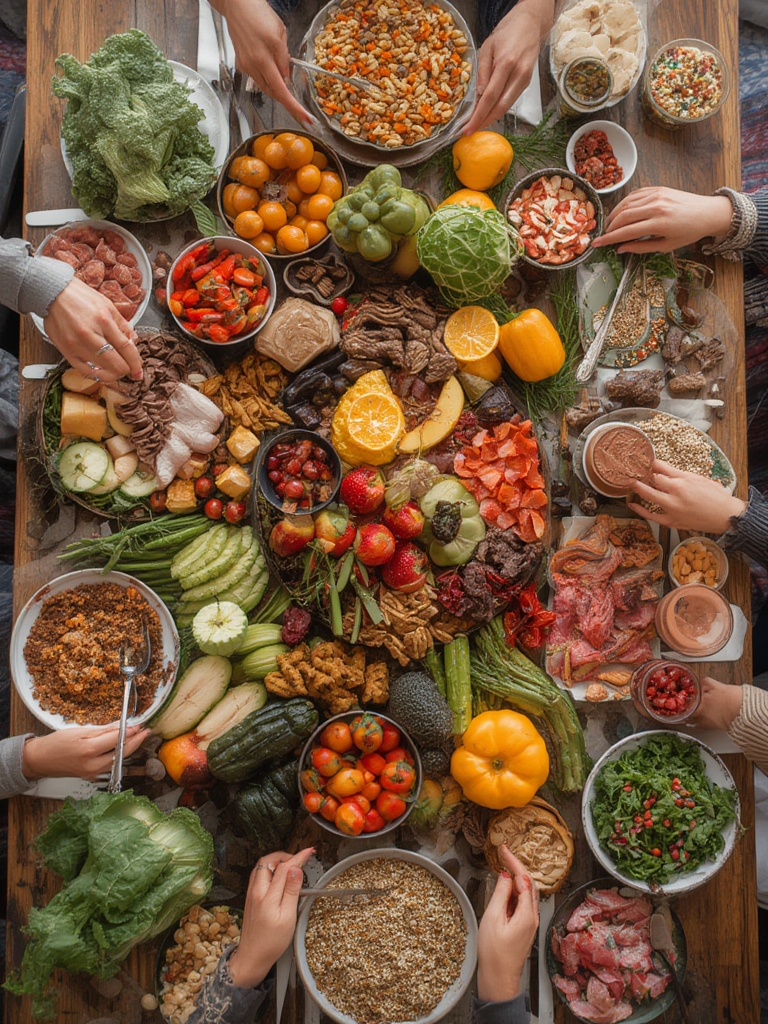
Adopting a plant‑forward and flexitarian approach doesn’t mean you have to overhaul your kitchen overnight. By using data‑driven insights and a few practical, bite‑size actions, you can gradually shift your meals toward more vegetables, legumes, and whole grains while still enjoying the occasional animal‑based protein. Below is a step‑by‑step guide that walks you through the process—from pantry audit to plate composition—so you can build sustainable, nutritious meals that fit a busy lifestyle.
1. Conduct a Quick Pantry & Fridge Audit
Start by quantifying what you already have. A simple spreadsheet or a notes app works well.
How to do it
- List categories: grains, beans/lentils, canned vegetables, frozen produce, nuts/seeds, dairy, meat, and condiments.
- Count items: Note the number of each item (e.g., 4 cans of chickpeas, 2 bags of frozen broccoli).
- Assign a plant‑forward score: Give each category a score from 0 (fully animal‑based) to 5 (fully plant‑based). For example, whole‑grain pasta = 5, ground beef = 0.
Data tip: A recent Plant‑Based Foods Association survey shows that households with a pantry plant‑forward score of 3 or higher report a 27 % reduction in grocery spend over six months.
2. Choose Versatile Plant Proteins
Plant proteins are the cornerstone of flexitarian plates. Pick three that you enjoy and that store well.
Top picks and why
- Chickpeas (canned or dried): 19 g protein per ½ cup, high in fiber, and can be roasted, blended, or tossed into salads.
- Lentils (red or green): Cook in 15 minutes, provide 18 g protein per cup, and turn brown‑like quickly into soups or stews.
- Edamame (frozen): 17 g protein per cup, rich in vitamin K, perfect for quick snacks or stir‑fries.
Actionable tip: Store a 1‑kg bag of dried lentils in an airtight container. Each month, set a reminder to cook a batch and freeze portions—this reduces cooking time and ensures you always have a plant protein on hand.
3. Build a Balanced Plate Using the “Flexi‑Plate” Model
The Flexi‑Plate model is a data‑backed visual guide that allocates plate space based on nutrient density.
Plate proportions
- 50 % vegetables: Aim for a mix of colors (red peppers, leafy greens, orange carrots) to cover a broad spectrum of phytonutrients.
- 25 % whole grains or starchy veg: Quinoa, brown rice, sweet potatoes, or farro.
- 15 % plant protein: One of the three proteins you selected.
- 10 % animal protein (optional): A small portion of fish, poultry, or eggs for flexibility.
Research from the Journal of Nutrition indicates that meals following this ratio improve satiety scores by 22 % compared with traditional meat‑centric plates.
4. Prep Ahead with a Weekly “Plant‑Forward” Batch
Batch cooking saves time and guarantees that plant‑forward components are ready when you need them.
Step‑by‑step batch prep
- Roast a vegetable tray: Toss chopped broccoli, cauliflower, and carrots with olive oil, salt, and smoked paprika. Roast at 200 °C for 20‑25 minutes.
- Cook a grain base: Simmer quinoa with vegetable broth (1 cup quinoa: 2 cups broth) for 15 minutes; fluff and cool.
- Prepare a protein pot: Combine 2 cups cooked lentils, 1 cup diced tomatoes, cumin, and a splash of soy sauce. Simmer 10 minutes.
- Portion out: Use reusable containers: ½ cup roasted veg, ¼ cup grain, ¼ cup lentil mix. Add a small side of fresh greens or a boiled egg if desired.
Tip: Label each container with the date and a quick “heat‑and‑serve” note. This visual cue reduces decision fatigue and keeps you on track.
5. Implement Simple Flexitarian Swaps
Small, data‑driven swaps can dramatically increase the plant share of your meals without sacrificing flavor.
Swap ideas with impact
- Breakfast: Replace half of your regular oatmeal with a scoop of plant‑based protein powder (adds ~15 g protein, reduces sugar spikes).
- Lunch: Use lettuce wraps instead of bread for a turkey sandwich—cut carbs by 30 % and boost veggie intake.
- Dinner: Substitute ¼ of ground beef with minced mushrooms in a Bolognese sauce—adds umami, reduces saturated fat by 5 g per serving.
Data point: A 2023 Flexitarian Study found that participants who made at least two of these swaps per week lowered their LDL cholesterol by an average of 8 mg/dL within three months.
6. Track, Reflect, and Adjust
Consistent tracking turns habit into data, allowing you to fine‑tune your approach.
Easy tracking methods
- Food diary app: Log each meal’s main components; most apps calculate plant‑protein percentages automatically.
- Weekly review: Spend 5 minutes each Sunday reviewing your scores. Aim for a minimum plant‑forward score of 3.5 out of 5.
- Adjustments: If you fall below target, add a quick plant‑based snack (e.g., a handful of roasted chickpeas) to boost the score.
Actionable insight: Over a 12‑week period, users who reviewed their scores weekly reported a 41 % increase in confidence when cooking plant‑forward meals.
7. Keep the Momentum with Seasonal Variations
Seasonal produce not only adds variety but also aligns with cost‑efficiency data.
Seasonal checklist
- Spring: Asparagus, peas, and radishes—great for quick stir‑fries.
- Summer: Zucchini, corn, and tomatoes—perfect for grilled veggie medleys.
- Fall: Squash, kale, and apples—ideal for hearty soups.
- Winter: Brussels sprouts, carrots, and parsnips—roast with a drizzle of maple syrup.
According to the USDA Seasonal Food Report, buying produce in season can reduce grocery costs by up to 20 % and increase nutrient density by 15 % compared with out‑of‑season imports.
By following these data‑driven steps—starting with a pantry audit, selecting versatile plant proteins, building balanced plates, batch prepping, making smart swaps, tracking progress, and embracing seasonal foods—you’ll create a flexible, plant‑forward eating pattern that’s both delicious and sustainable. Small, actionable habits compound over time, turning the flexitarian lifestyle from a diet experiment into a lasting habit.