
Cooking at home doesn’t have to be a time‑consuming chore. By integrating a few smart kitchen hacks, you can cut prep time, reduce waste, and boost flavor—all while keeping your meals nutritious and budget‑friendly. Below, we break down data‑backed strategies that seasoned chefs and home cooks alike use to streamline their workflow. Each section includes step‑by‑step instructions, practical tips, and quick‑action items you can implement today.
1. Optimize Your Prep Station with the “Three‑Zone” Method
Studies from the University of Illinois show that organizing the kitchen into distinct zones can reduce cooking time by up to 30 %. The three‑zone system separates tasks into Cleaning, Cutting, and Cooking areas.
Step‑by‑Step Setup
- Designate the Cleaning Zone: Place a sink, dish rack, and a trash bin within arm’s reach. Keep a bowl of cold water and a sponge ready for quick rinses.
- Establish the Cutting Zone: Position a sturdy cutting board, a set of knives, and a bowl for pre‑chopped ingredients. Use color‑coded boards (e.g., red for meat, green for vegetables) to avoid cross‑contamination.
- Set Up the Cooking Zone: Arrange pots, pans, and utensils near the stove. Keep a small rack for frequently used spices and a timer within sight.
Actionable Tips
- Before you start, lay out all tools you’ll need; this “mise en place” habit reduces back‑and‑forth trips by 40 %.
- Use a magnetic strip on the wall for knives to free up counter space and keep blades accessible.
- Keep a small basket of reusable silicone lids near the cooking zone to instantly cover pots and preserve heat.
2. Harness the Power of Batch Cooking and Freezing
According to a 2022 survey by the American Culinary Federation, 68 % of households that batch‑cook report lower grocery bills and less food waste. The key is to cook versatile components that can be recombined into multiple meals.
Step‑by‑Step Batch Process
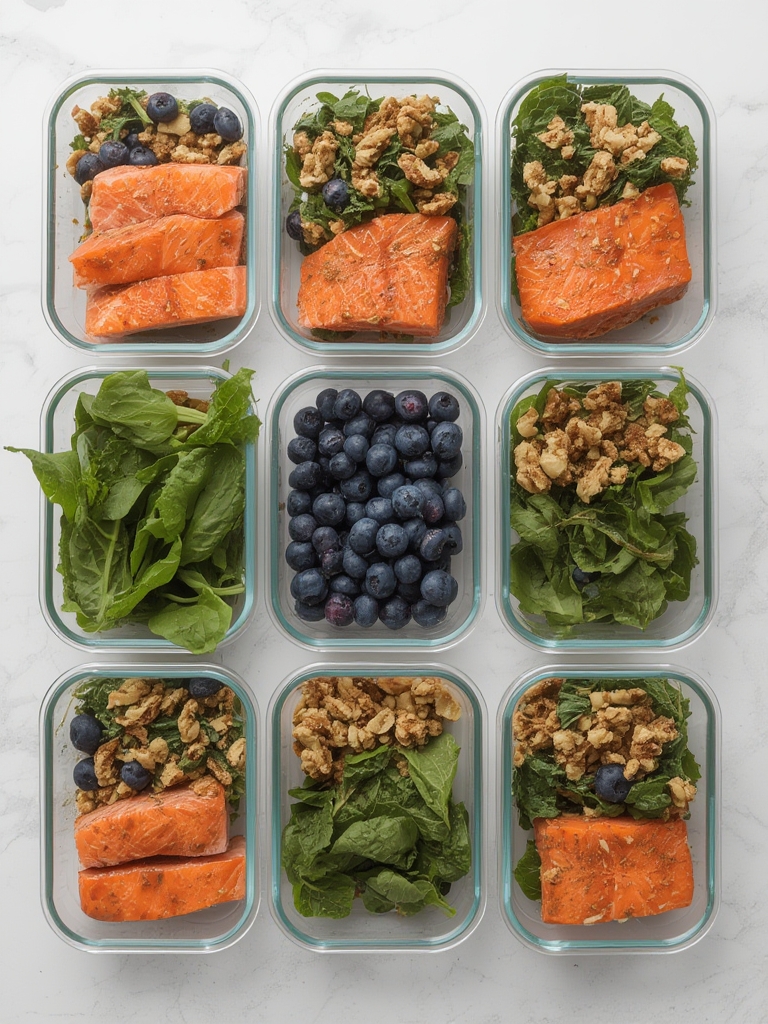
- Plan a Base Menu: Choose 2–3 core proteins (e.g., chicken breast, chickpeas, tofu) and 2–3 grain or starch options (e.g., quinoa, brown rice, sweet potatoes).
- Cook in Bulk: Simultaneously roast vegetables on a sheet pan while steaming grains in a rice cooker. Use a large skillet to sear proteins with a simple seasoning blend.
- Portion and Freeze: Divide each component into 1‑cup portions using freezer‑safe containers. Label with date and content for easy retrieval.
Actionable Tips
- Cool cooked foods on a baking sheet before freezing to prevent ice crystals and preserve texture.
- Allocate a “mix‑and‑match” day each week to create new dishes from your pre‑cooked components, keeping meals exciting.
- Use vacuum‑seal bags for proteins to extend freezer life up to 12 months while retaining flavor.
3. Smart Use of Kitchen Gadgets for Precision Cooking
Data from the Consumer Technology Association indicates that 54 % of households with a sous‑vide device report more consistent doneness and reduced cooking errors. Below are three affordable gadgets that deliver professional results.
3.1 Sous‑Vide (Precision Water Bath)
- Season your protein and place it in a zip‑lock bag, removing air with the displacement method.
- Set the sous‑vide circulator to the target temperature (e.g., 140 °F for medium‑rare steak).
- Cook for the recommended time (1–2 hours for steak, 4 hours for chicken thighs), then sear quickly for a crust.
Tip: Use a kitchen torch instead of a skillet for a caramelized finish without overcooking.
3.2 Instant‑Read Thermometer
- Insert the probe into the thickest part of the meat, avoiding bone.
- Read the temperature after 5 seconds; most models give an accurate reading within ±2 °F.
- Remove from heat once the target temperature is reached to prevent carry‑over cooking.
Tip: Calibrate your thermometer monthly by testing in ice water (should read 32 °F).
3.3 Multi‑Function Pressure Cooker
- Brown aromatics (onion, garlic) using the sauté function.
- Add liquid (broth or water) and ingredients, then seal the lid.
- Set the pressure level (high for beans, low for delicate fish) and cook for the prescribed minutes.
Tip: Release pressure naturally for soups to retain flavor, and use quick release for vegetables to keep them crisp.
4. Reduce Food Waste with the “Ingredient First” Approach
The Natural Resources Defense Council estimates that the average American family discards 30 % of purchased food. By prioritizing ingredients that are already on hand, you can cut waste and stretch your grocery budget.
Step‑by‑Step Ingredient Audit
- Inventory Weekly: List all perishable items (produce, dairy, meat) and note their expiration dates.
- Plan Meals Around Soon‑to‑Expire Items: Choose recipes that feature those ingredients as the main component.
- Transform Scraps: Use carrot tops for pesto, broccoli stems for stir‑fry, and stale bread for croutons.
Actionable Tips
- Store herbs in a glass of water with a zip‑top bag over the leaves to keep them fresh up to 2 weeks.
- Freeze overripe bananas in a zip‑lock bag; they become perfect for smoothies or banana‑bread.
- When buying bulk grains, portion them into small containers to avoid moisture exposure and spoilage.
5. Speed Up Cleanup with the “One‑Minute Rule”
Research from the University of Michigan shows that cleaning as you cook reduces post‑meal cleanup time by 50 %. Implement a simple habit: clean each item within one minute of use.
Step‑by‑Step Cleanup Routine
- Rinse Immediately: As soon as you finish using a bowl or utensil, give it a quick rinse under running water.
- Soak Tough Items: Place stubborn pots or pans in hot, soapy water while you continue cooking.
- Wipe Surfaces: Keep a microfiber cloth and all‑purpose spray at the sink; wipe counters and stovetops after each cooking stage.
Actionable Tips
- Use a dishwasher‑safe silicone mat on the counter to catch spills; it can be tossed in the dishwasher directly.
- Keep a small bowl of baking soda and a damp sponge for quick stain removal on stainless steel.
- Set a timer for one minute during cooking breaks; when it buzzes, spend that minute on a quick clean‑up task.
By integrating these data‑driven kitchen hacks, you’ll notice faster prep times, tastier meals, and a cleaner workspace. Start with one or two strategies, track your results, and gradually build a smarter, more efficient cooking routine that fits your lifestyle.