
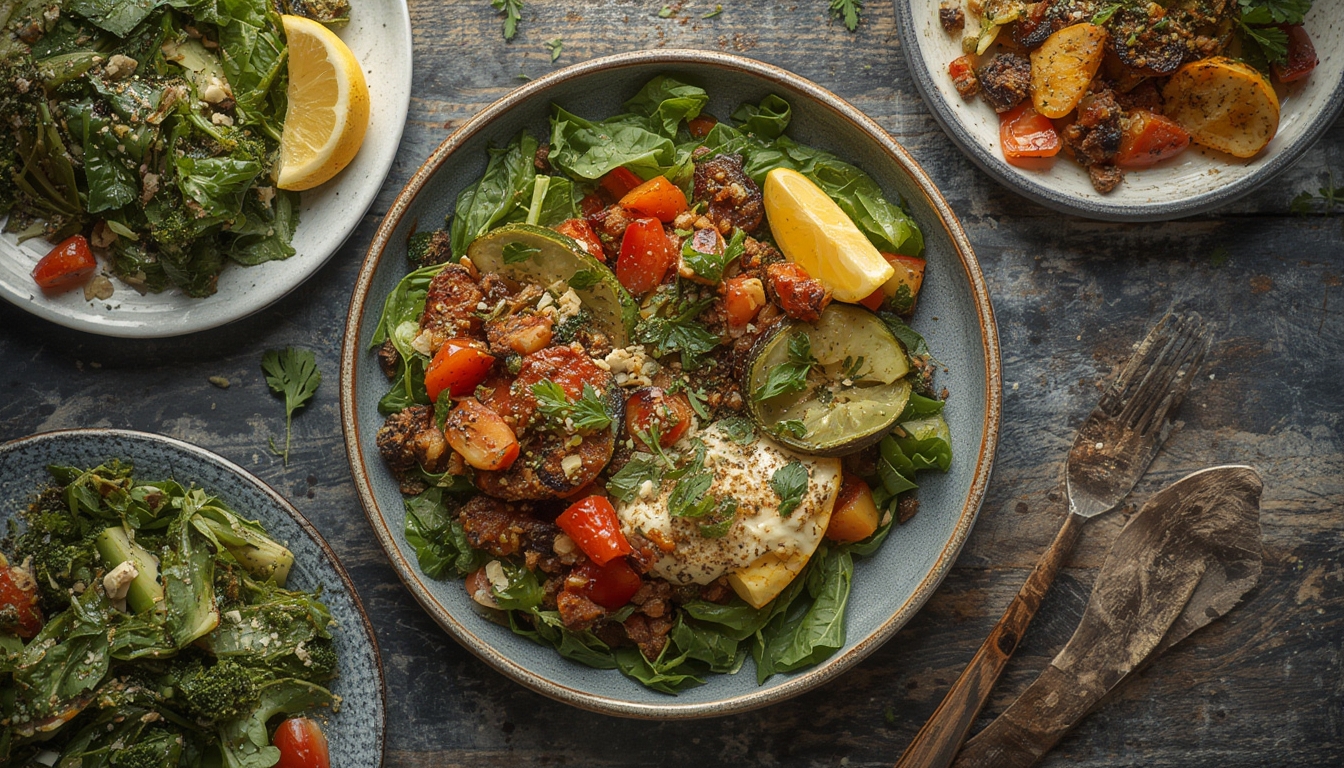
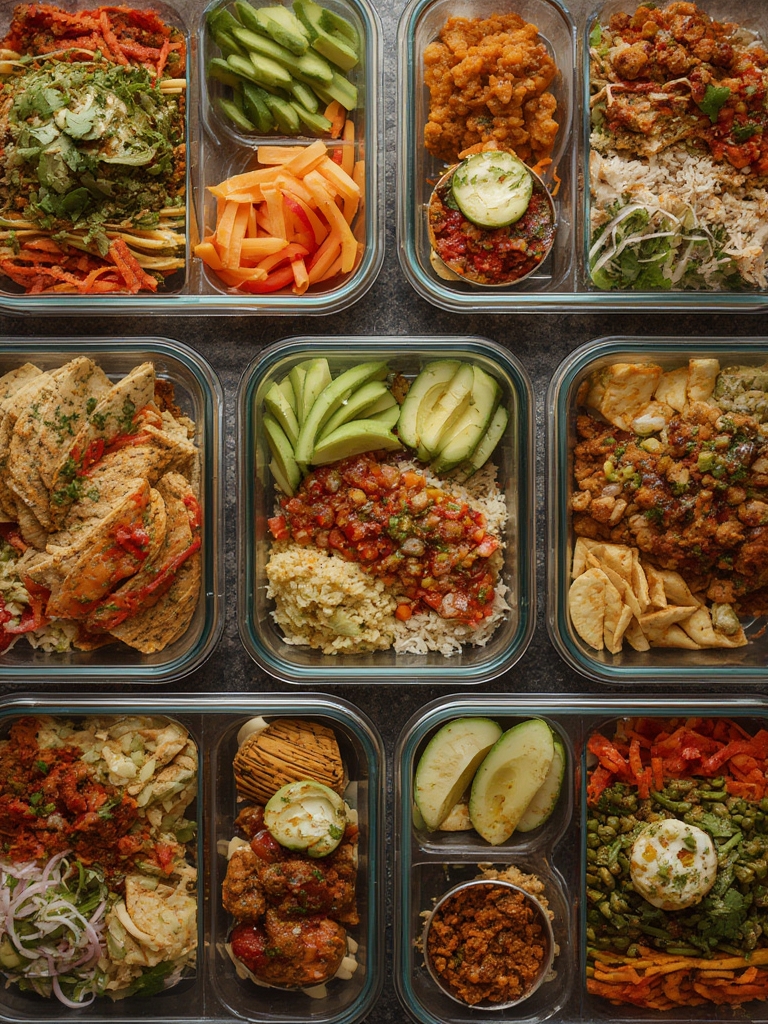
Embracing a plant‑forward and flexitarian lifestyle means putting vegetables, legumes, whole grains, and nuts at the center of every meal while still allowing occasional animal‑based proteins. This approach not only supports personal health but also reduces environmental impact. Below is a data‑driven, step‑by‑step guide that walks you through selecting ingredients, preparing balanced plates, and maintaining freshness—all while keeping the cooking process simple and enjoyable.
Why Choose Plant‑Forward & Flexitarian Plates?
Recent studies from the Harvard T.H. Chan School of Public Health show that diets rich in plant foods can lower the risk of heart disease by up to 31% and reduce type‑2 diabetes incidence by 23%. Flexitarian eating, which incorporates meat or fish no more than 2–3 times per week, adds protein variety without the high saturated‑fat load of daily meat consumption. The data also reveal that households that adopt plant‑forward meals waste 27% less food, thanks to better use of perishable produce.
Step 1: Selecting Seasonal Produce
Check Local Harvest Calendars
Seasonal vegetables retain more nutrients and cost up to 40% less than out‑of‑season imports. Use a regional harvest calendar (often available from local extension services) to pinpoint peak months for leafy greens, root vegetables, and fruit.
- Spring: Asparagus, peas, radishes, strawberries.
- Summer: Zucchini, tomatoes, corn, berries.
- Fall: Brussels sprouts, pumpkins, apples, beets.
- Winter: Kale, carrots, citrus, parsnips.
Practical Tip: The “5‑Minute Test”
When shopping, gently press the stem of leafy greens. If the leaves bounce back within five seconds, they’re fresh. For root vegetables, look for firm, unblemished skins; a quick sniff should be earthy, not sour.
Step 2: Balancing Plant‑Based Proteins
Incorporate Legumes and Pulses
Legumes such as lentils, chickpeas, and black beans deliver 15–18 g of protein per cooked cup and are rich in fiber. A 2022 meta‑analysis links regular legume consumption with a 12% reduction in cholesterol levels.
- Rinse canned beans to remove excess sodium.
- Soak dried beans for at least 6 hours to improve digestibility.
- Cook beans in a pressure cooker to cut cooking time by 70%.
Adding Nuts & Seeds
Almonds, pumpkin seeds, and hemp hearts provide healthy fats and a protein boost. A tablespoon of hemp seeds adds 3 g of protein and omega‑3 fatty acids.
Actionable Advice: Toast nuts lightly in a dry skillet for 3‑4 minutes to enhance flavor without adding oil.
Step 3: Designing the Plate – The 3‑Component Model
Half the Plate: Vegetables
Fill 50 % of the plate with a variety of colors. The USDA’s “MyPlate” model shows that each color group contributes distinct phytonutrients:
- Red: Lycopene (tomatoes, red peppers).
- Orange/Yellow: Beta‑carotene (carrots, sweet potatoes).
- Green: Folate and iron (spinach, broccoli).
- Purple/Blue: Anthocyanins (eggplant, blueberries).
Quarter the Plate: Whole Grains
Choose whole grains that provide sustained energy and fiber. Quinoa, farro, and brown rice each contain 3–5 g of fiber per cooked cup, supporting digestive health.
Tip: Rinse grains under cold water before cooking to remove excess starch, which helps maintain a fluffy texture.
Quarter the Plate: Protein (Plant or Flex)
Allocate the remaining 25 % to protein sources. For flexitarian days, opt for lean poultry, wild‑caught fish, or eggs. When staying plant‑forward, double up on legumes, tofu, or tempeh.
Quick Swap: Replace a 4‑oz chicken breast with ½ cup cooked lentils for a similar protein profile but 30 % fewer calories.
Step 4: Cooking Techniques that Preserve Nutrients
Steaming vs. Boiling
Steaming vegetables retains up to 90 % of water‑soluble vitamins, whereas boiling can leach up to 50 % into the water. Use a basket steamer or a microwave‑safe cover for quick results.
One‑Pan Roasting
Roasting at 425°F (220°C) caramelizes natural sugars, enhancing flavor without added sauces. Toss vegetables with 1 tsp olive oil and a pinch of sea salt; roast for 20‑25 minutes, stirring halfway.
Sautéing with Minimal Oil
Use a non‑stick skillet and a splash of vegetable broth instead of oil. This method reduces fat by up to 70 % while still achieving a light sear.
Step 5: Storing and Repurposing Leftovers
Cold‑Storage Best Practices
Place freshly cut greens in a perforated bag with a paper towel to absorb excess moisture. Store at 32‑36°F (0‑2°C) and use within 5 days for optimal crispness.
Batch‑Cook and Freeze
Cook large batches of beans, grains, and roasted vegetables. Portion into 1‑cup freezer bags, label with date, and freeze for up to 3 months. Defrost in the refrigerator overnight for best texture.
Creative Repurposing
Turn leftover roasted veggies into a hearty soup base: sauté onions, add broth, blend, and finish with a splash of plant‑based milk for creaminess.
Step 6: Monitoring Progress with Simple Metrics
Track Plate Composition
Use a free phone app or a printable checklist to record the percentage of vegetables, grains, and protein on each meal. Aim for the 50‑25‑25 split at least four times per week.
Measure Waste Reduction
Weigh food waste before and after implementing the plant‑forward plan. A reduction of 200 g per week translates to roughly $1.50 saved and a 0.5 kg decrease in landfill contribution.
Step 7: Seasonal Flexibility and Flavor Boosters
Herbs & Spices
Fresh herbs like basil, cilantro, and mint add aroma without calories. Dried spices—cumin, smoked paprika, turmeric—provide antioxidant benefits. Add a pinch during cooking to enhance taste and nutritional value.
Acidic Finishes
A squeeze of lemon or a splash of apple cider vinegar brightens dishes and improves iron absorption from plant foods. Use 1 tsp per serving for a balanced tang.
Conclusion: Making Plant‑Forward & Flexitarian Eating Sustainable
By selecting seasonal produce, balancing plant proteins, and employing nutrient‑preserving cooking methods, you can create delicious, health‑focused plates that align with both personal goals and environmental stewardship. Consistently applying the steps above—plus tracking your plate composition and waste—turns a dietary shift into a measurable, rewarding habit.