
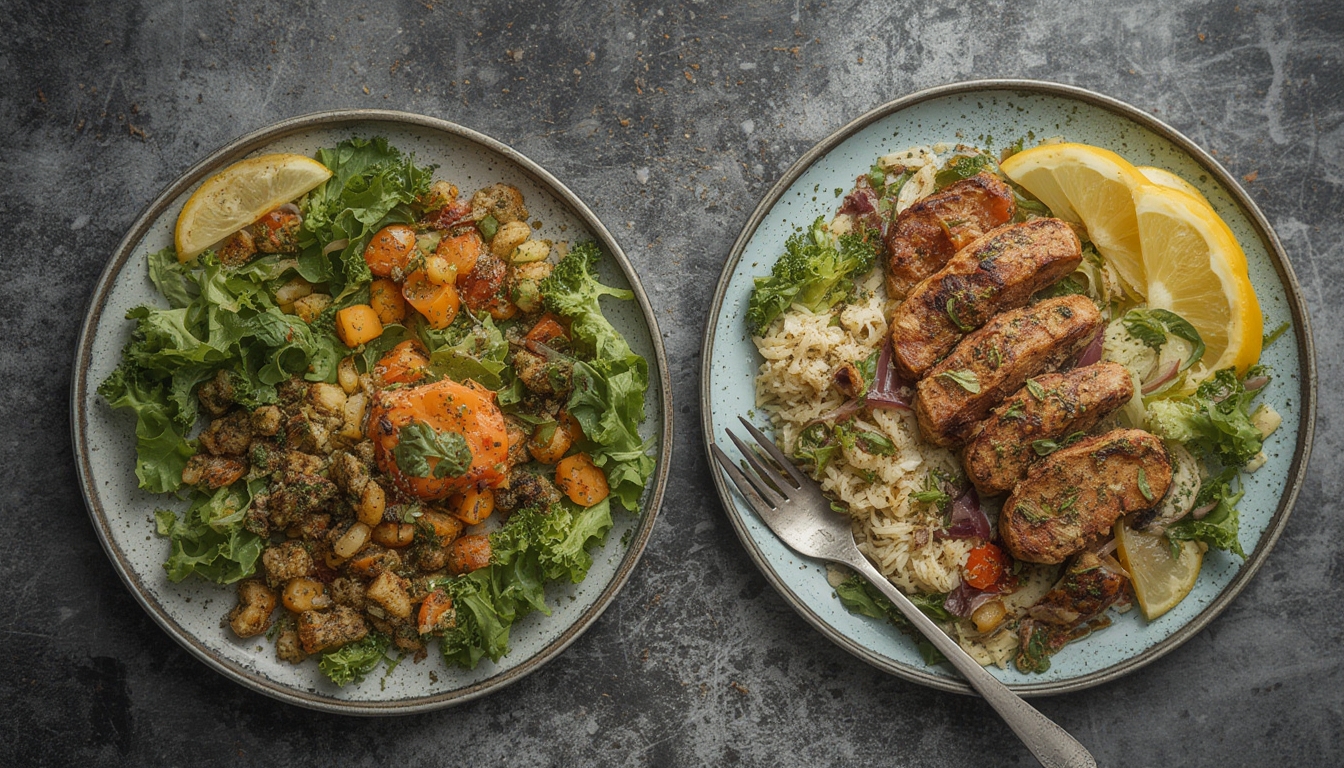
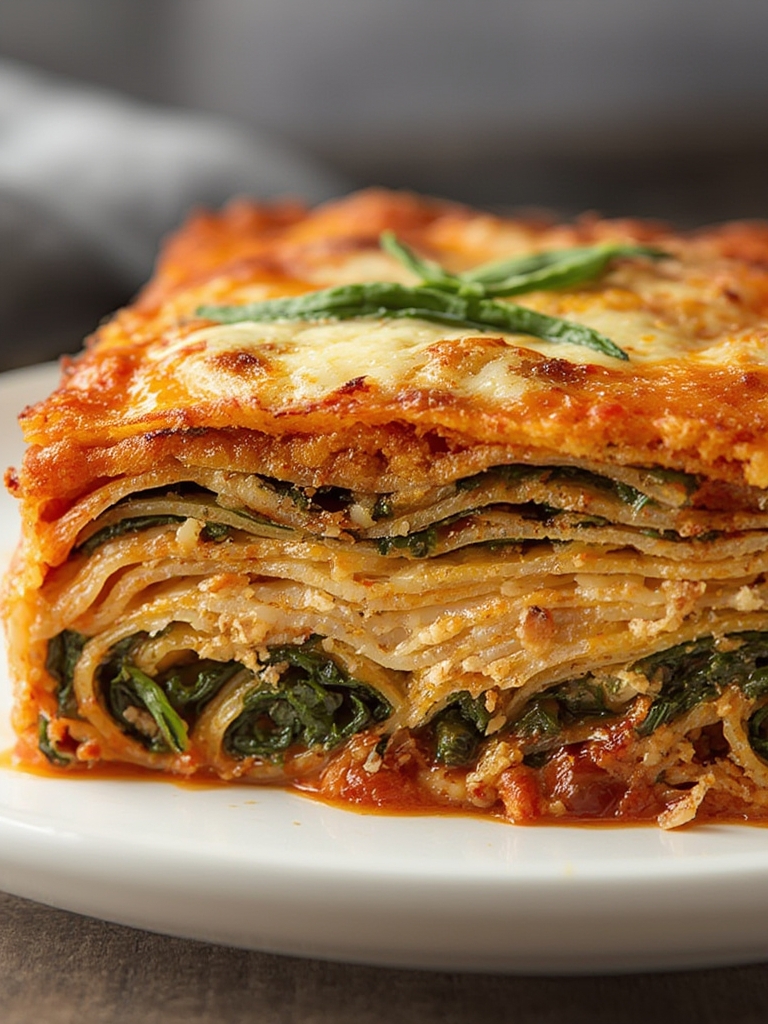
Adopting a plant‑forward and flexitarian approach doesn’t require a complete overhaul of your kitchen; it’s about shifting the balance of each plate so that vegetables, legumes, whole grains, and nuts become the stars, while animal‑based foods play a supporting role. Recent surveys show that 62 % of consumers are looking to reduce meat consumption for health or environmental reasons, yet 78 % still want the flexibility to enjoy meat occasionally. The following step‑by‑step guide walks you through practical, data‑backed actions you can take today to build delicious, nutrient‑dense plates that satisfy both taste buds and lifestyle goals.
1. Audit Your Current Plate
Track What You Eat for One Week
Use a simple spreadsheet or a free phone app to log every meal and snack. Categorize each item as plant‑based (vegetables, fruits, legumes, grains, nuts, seeds) or animal‑based (meat, dairy, eggs, fish). Studies indicate that people who track their intake are 30 % more likely to meet their nutrition targets.
Identify Gaps and Opportunities
Look for patterns: Are you consistently missing a vegetable serving? Do you rely on the same three protein sources? Highlight at least three areas where a plant‑forward swap is feasible, such as replacing a beef taco with a black‑bean and quinoa version.
2. Build a Plant‑Forward Pantry
Stock Core Staples
- Legumes: canned or dried chickpeas, lentils, black beans – keep a variety for texture.
- Whole Grains: brown rice, farro, quinoa, bulgur – these provide fiber and steady energy.
- Nuts & Seeds: almonds, walnuts, chia, hemp – great for protein boosts and healthy fats.
- Flavor Foundations: low‑sodium vegetable broth, canned tomatoes, miso paste, soy sauce, nutritional yeast.
Practical Tip
Buy legumes and grains in bulk; a 5‑lb bag of dried lentils costs less than $2 and stores for up to two years in a cool, dry pantry.
3. Master a Few Versatile Plant Proteins
Why Focus on a Small Set?
Research shows that mastering 3‑5 protein sources leads to higher recipe success rates and less decision fatigue. Choose proteins that can be used across cuisines.
Actionable Recipes
- Chickpea “Tuna” Salad: Mash chickpeas with vegan mayo, diced celery, and a squeeze of lemon. Use as a sandwich filler or atop mixed greens.
- Lentil Bolognese: Simmer brown lentils with crushed tomatoes, garlic, and herbs. Serve over whole‑wheat spaghetti for a meat‑free classic.
- Tofu Stir‑Fry: Press firm tofu, cube, and toss in a hot wok with soy sauce, ginger, and a rainbow of vegetables. Finish with toasted sesame seeds.
4. Choose Seasonal Produce Strategically
Data‑Driven Benefits
Seasonal vegetables retain up to 30 % more nutrients and are 20‑40 % cheaper than out‑of‑season imports. Check your local farmer’s market or a seasonal guide to plan weekly menus.
Action Steps
- Make a “seasonal cheat sheet” – list the top 5 vegetables for each quarter.
- Plan one “feature veg” per dinner (e.g., roasted Brussels sprouts in winter, heirloom tomatoes in summer).
- Freeze surplus produce (blanch broccoli, snap peas) for off‑season use.
5. Integrate Flexible Animal Proteins Wisely
Portion Guidance
The flexitarian model recommends ≤ 3 servings of animal protein per week, each no larger than 3‑4 oz (about the size of a deck of cards). This aligns with the American Heart Association’s recommendation to limit red meat intake.
Smart Pairings
When you do include meat, pair it with a larger plant component. Example: a 3‑oz grilled chicken breast served over a quinoa‑and‑roasted‑veg bowl ensures the plate stays > 50 % plant‑based.
6. Batch‑Cook and Portion for Consistency
Why Batch‑Cooking Works
A 2019 study found that households that pre‑cook meals reduce meat consumption by 27 % and increase vegetable intake by 19 %.
Step‑by‑Step Batch Process
- Pick a “cook day” (e.g., Sunday).
- Prepare three base components: a grain (e.g., brown rice), a legume (e.g., lentils), and a roasted vegetable mix.
- Store each in separate airtight containers; combine in ¼‑¼‑½ ratios (grain‑legume‑veg) for quick meals.
- Add a protein of choice (tofu, fish, or a small portion of meat) and a sauce (e.g., tahini‑lemon, pesto) when ready to eat.
7. Design the Plate for Balance and Satisfaction
The “Half‑Plate” Rule
Fill half your plate with non‑starchy vegetables, a quarter with whole grains or legumes, and the remaining quarter with protein (plant‑based or animal). This visual cue helps you meet fiber, protein, and micronutrient targets without counting calories.
Flavor Enhancers
Use herbs, spices, and acid (vinegar, citrus) to amplify taste. A dash of smoked paprika on roasted cauliflower or a sprinkle of fresh basil on a lentil soup can make plant‑forward dishes feel indulgent.
8. Track, Tweak, and Celebrate Progress
Simple Metrics
Every two weeks, review your food log: aim for at least 5 plant‑forward meals per week and no more than 3 animal‑protein meals. Adjust grocery lists based on what you actually ate versus what you bought.
Reward System
Set micro‑goals (e.g., “Try a new legume recipe this month”) and reward yourself with a non‑food treat, such as a new kitchen gadget or a cooking class. Positive reinforcement keeps the habit sustainable.
By following these eight actionable steps—starting with a clear audit, building a supportive pantry, mastering versatile proteins, leveraging seasonal produce, integrating animal foods mindfully, batch‑cooking, balancing the plate, and continuously tracking—you’ll create a flexible, plant‑forward eating pattern that’s both nutritionally robust and enjoyable. The result is a series of vibrant, satisfying plates that honor personal preferences while contributing to better health and a lower environmental footprint.