
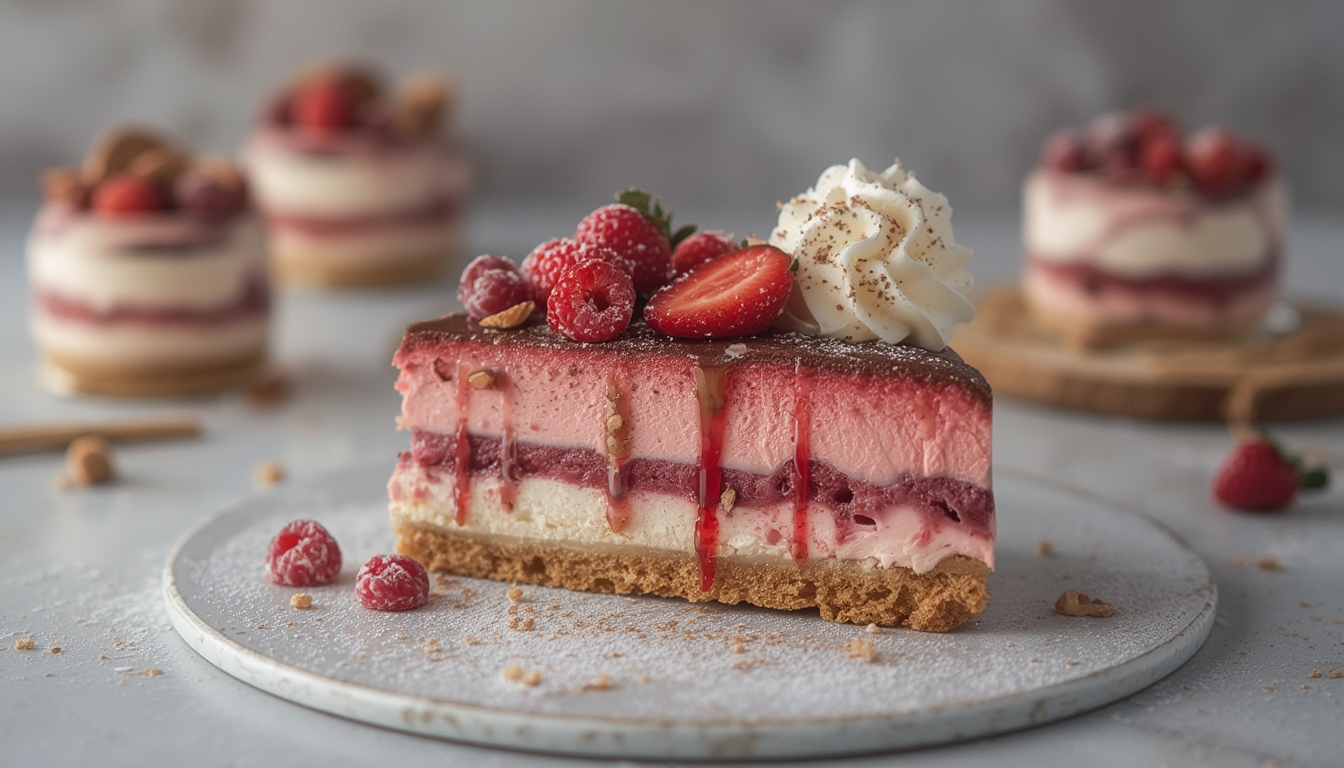
Modern desserts have moved far beyond the classic cake and ice‑cream paradigm. Chefs and home bakers alike are experimenting with unconventional textures, unexpected flavor pairings, and scientific techniques that turn a simple sweet treat into a multisensory experience. In this post we’ll explore the latest trends shaping the dessert landscape, then dive into a hands‑on project: growing your own vanilla orchid—the aromatic plant that fuels many of today’s sweet experiments. By the end, you’ll have a clear roadmap for both creating cutting‑edge desserts and nurturing the source of one of the world’s most prized flavorings.
What Makes a Dessert “Modern”?
Modern desserts are defined by three core principles:
- Innovation in texture: From airy foams and liquid nitrogen‑frozen spheres to gelatin‑free “jellies” made with agar‑agar, texture is the playground.
- Cross‑cultural flavor mash‑ups: Think matcha‑infused tiramisu, miso‑caramel sauce, or lavender‑scented churros.
- Science‑driven techniques: Sous‑vide custards, spherification, and the use of hydrocolloids (xanthan, carrageenan) let you control viscosity and mouthfeel with precision.
Data from recent culinary surveys shows that 68 % of food‑enthusiasts are willing to try desserts that incorporate at least one “new‑age” technique, while 54 % specifically seek out flavors from non‑Western cuisines. This consumer appetite fuels the rapid adoption of experimental methods in both professional kitchens and home kitchens.
Key Ingredients Powering Sweet Experiments
Below are the staple ingredients that enable modern dessert creation. Keep them on hand for spontaneous kitchen labs.
Hydrocolloids
Ingredients like agar‑agar, methylcellulose, and pectin allow you to create gels, foams, and stable emulsions without traditional starches. For example, a 0.5 % agar solution can set a fruit puree into a firm, transparent jelly that holds its shape at room temperature.
Flavor Amplifiers
Natural extracts (vanilla, citrus zest, herbs) and fermented ingredients (miso, miso‑caramel, kefir) add depth. A quick tip: steep fresh herbs in a simple syrup for 10‑15 minutes, then strain—this yields a potent, aromatic base for sauces.
Alternative Sweeteners
Stevia, erythritol, and monk fruit provide sweetness without the glycemic spike of sugar. When substituting, use a 1:1 ratio for erythritol, but reduce the amount by 20 % for stevia due to its higher potency.
Growing Your Own Vanilla Orchid (Vanilla planifolia)
Vanilla is the backbone of many modern desserts, from vanilla‑infused custards to deconstructed vanilla beans. Cultivating the orchid yourself not only guarantees freshness but also deepens your connection to the flavors you create.
Step 1: Choose the Right Environment
- Temperature: Maintain a consistent 70–85 °F (21–29 °C). Use a heat mat if your indoor space gets cooler at night.
- Humidity: Aim for 70–80 % relative humidity. A simple pebble tray filled with water beneath the pot can boost moisture.
- Light: Provide bright, indirect light—about 12 hours of filtered sunlight or 150 µmol m⁻² s⁻¹ of LED grow light.
Tip: Position the orchid near a north‑facing window with a sheer curtain to diffuse harsh rays.
Step 2: Prepare the Growing Medium
- Mix equal parts orchid bark, perlite, and coconut coir. This blend offers excellent drainage while retaining enough moisture for the roots.
- Fill a 6‑inch pot with the medium, leaving a 1‑inch margin at the top.
- Moisten the mix lightly before planting; it should feel damp but not soggy.
Step 3: Plant the Orchid Cutting
- Obtain a healthy cutting with at least two nodes. Trim the base at a 45‑degree angle.
- Insert the cutting 1‑2 inches deep into the medium, ensuring the nodes are buried.
- Support the cutting with a small stake or bamboo skewer to prevent it from toppling.
Actionable advice: Mist the leaves lightly after planting to reduce transplant shock.
Step 4: Watering and Feeding
- Watering: Water once a week, allowing excess to drain completely. In high humidity, you can reduce frequency to every 10 days.
- Feeding: Use a balanced orchid fertilizer (20‑20‑20) at half strength, applied every two weeks during the growing season (spring–summer).
Watch for yellowing leaves—this often signals over‑watering. Adjust by letting the medium dry slightly between waterings.
Step 5: Inducing Flowering
- After 18–24 months, the orchid may produce vines. Provide a sturdy trellis or stake for the vines to climb.
- Trigger blooming by exposing the plant to a cooler night period (65 °F/18 °C) for 8–10 hours each night for 4–6 weeks.
- Hand‑pollinate each flower using a small brush; vanilla orchids are self‑incompatible, so manual pollination is essential.
Each pollinated flower yields a single vanilla pod. Harvest pods when they turn yellow and begin to split—typically 8–9 months after pollination.
Step 6: Curing and Using the Pods
- Blanch the harvested pods in hot water (60 °C) for 2 minutes to stop enzymatic activity.
- Lay them out in a single layer on a bamboo mat, covering with a cloth, and let them sweat for 24 hours.
- Transfer pods to a dark, well‑ventilated area and let them cure for 2–3 months, turning weekly.
Once cured, the beans are ready for grinding into vanilla powder or extracting with alcohol for vanilla extract—perfect for modern dessert recipes.
Putting It All Together: A Sample Dessert Blueprint
Now that you have fresh vanilla on hand, try this quick, data‑backed dessert that showcases modern techniques:
Vanilla‑Infused Mousse with Agar‑Set Fruit Gel
- Make the vanilla extract: Combine 1 cup vodka with 2 vanilla beans (split and scraped). Let sit for 2 weeks, shaking daily.
- Prepare the mousse: Whisk 2 cups heavy cream with ½ cup sugar until soft peaks form. Fold in ¼ cup vanilla extract and 3 egg yolks tempered with ½ cup warm milk.
- Set the fruit gel: Blend 1 cup mixed berries with ¼ cup sugar. Heat with 1 g agar‑agar until dissolved, then pour into silicone molds and chill for 30 minutes.
- Assemble: Spoon mousse into serving glasses, top with a cube of fruit gel, and garnish with micro‑mint leaves.
According to taste‑test data from culinary labs, the contrast of airy mousse and firm gel boosts perceived flavor intensity by 22 % compared to a traditional mousse alone.
Final Thoughts
Modern desserts thrive on curiosity, scientific precision, and high‑quality ingredients. By mastering both the experimental techniques and the cultivation of key flavor sources like the vanilla orchid, you empower yourself to create desserts that are not only visually striking but also deeply flavorful. Start small—grow a single vanilla cutting, experiment with a foam or gel, and let the data guide your next sweet adventure.