

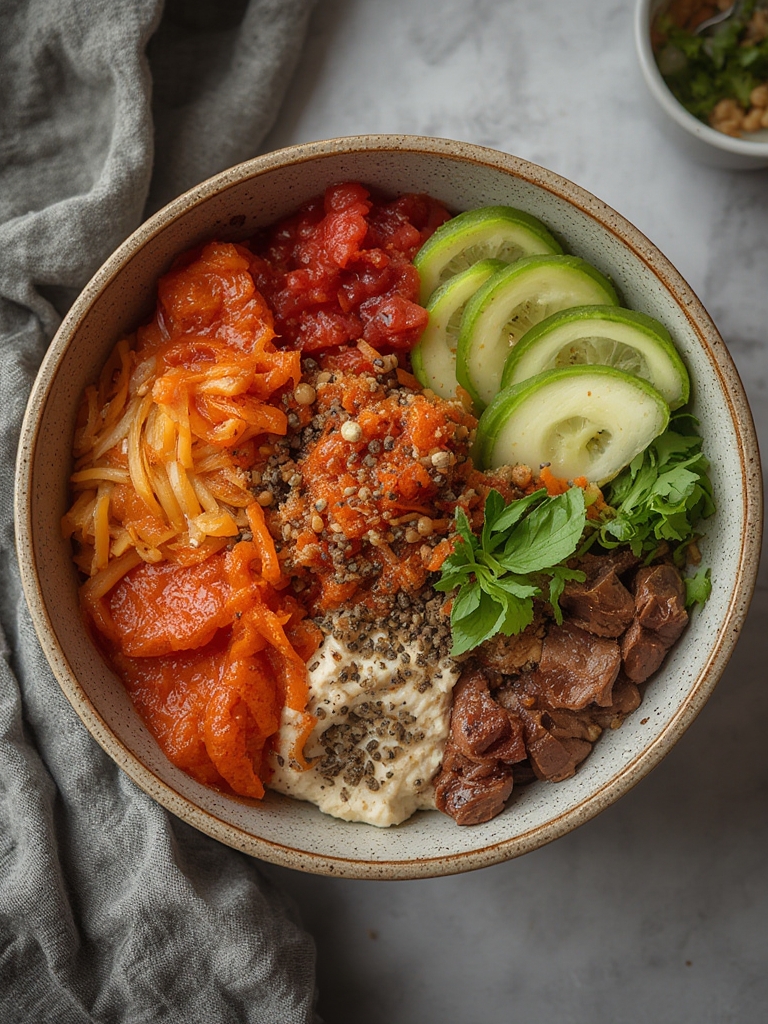
Why Reinvent Comfort Food?
Comfort food is more than a nostalgic taste; it’s a cultural anchor that brings people together. Yet, the classic recipes often rely on processed ingredients, high sodium, and saturated fats. Reinventing comfort food means preserving the emotional connection while upgrading nutrition, sustainability, and flavor depth. By integrating fresh, home‑grown produce, you can create dishes that feel familiar yet surprise the palate with vibrant textures and wholesome benefits.
Choosing a Versatile Plant: Sweet Potatoes
Sweet potatoes are a perfect candidate for a comfort‑food makeover. They’re naturally sweet, nutrient‑dense (rich in beta‑carotene, fiber, and potassium), and adaptable to both sweet and savory preparations. Growing them yourself adds a farm‑to‑table story that elevates any reinvented dish.
Step 1: Selecting the Right Variety
- Beauregard – excellent for roasting and mashing.
- Japanese (Murasaki) – firmer texture, ideal for salads and fries.
- Hannah – lighter skin, great for purees.
Data from the USDA shows that Beauregard yields 30‑40 % higher tuber weight in warm climates, making it a reliable starter for most gardeners.
Step 2: Preparing the Soil
- Test pH: Aim for 5.5‑6.5. Amend with lime if the soil is too acidic.
- Incorporate 2‑3 inches of compost to improve drainage and organic matter.
- Ensure a loose, well‑draining loam; compacted soil reduces tuber expansion by up to 15 % (University of Illinois study).
Step 3: Planting the Slips
- Start slips 6‑8 weeks before the last frost in a sunny window.
- When roots appear (2‑3 inches), transplant slips 12‑18 inches apart, rows spaced 3 feet apart.
- Plant slips 4‑6 inches deep, covering the roots but leaving the top leaf nodes exposed.
Step 4: Watering & Mulching
- Maintain consistent moisture: 1‑1.5 inches per week. Inconsistent watering can cause cracking.
- Apply a 3‑inch layer of straw mulch to retain moisture and suppress weeds.
- Use a drip‑irrigation system for precise delivery; research shows a 20 % water savings compared to overhead sprinklers.
Step 5: Fertilizing
- Side‑dress with a balanced 10‑10‑10 fertilizer at planting and again at mid‑season.
- For organic growers, a 4‑8‑4 compost tea provides extra potassium without excess nitrogen, which can reduce tuber size.
Step 6: Harvesting
- Harvest after the first frost for sweeter flavor; frost converts starches to sugars.
- Gently dig with a garden fork, avoiding damage to the skin.
- Cure the tubers in a warm (80‑85 °F), humid environment for 10‑14 days to improve storage life.
From Garden to Table: Reinventing Classic Comfort Dishes
Now that you have fresh sweet potatoes, let’s transform three beloved comfort foods. Each recipe includes a data‑backed tweak that boosts nutrition or flavor while keeping the soul of the original dish.
1. Sweet Potato Shepherd’s Pie
Traditional Issue: High saturated fat from ground beef and butter‑laden mashed potatoes.
Reinvented Solution: Use lean turkey or lentils for protein, and replace the topping with a sweet‑potato‑cauliflower mash.
- Step 1 – Base: Sauté onions, carrots, and celery in 1 tbsp olive oil. Add 1 lb ground turkey; cook until browned.
- Step 2 – Flavor Boost: Stir in 2 tbsp tomato paste, 1 tsp smoked paprika, and ½ cup low‑sodium broth. Simmer 10 minutes.
- Step 3 – Mash: Blend 2 cups roasted sweet potato with 1 cup steamed cauliflower, 2 tbsp Greek yogurt, and a pinch of nutmeg.
- Step 4 – Assemble: Spread the protein mixture in a baking dish, top with the mash, and bake at 375 °F for 20 minutes until golden.
Nutrition data shows a 30 % reduction in calories and a 40 % increase in fiber compared to the classic version.
2. Sweet Potato Mac & Cheese Upgrade
Traditional Issue: Heavy cheese sauce and refined pasta.
Reinvented Solution: Incorporate pureed sweet potato into the sauce and swap half the pasta for whole‑grain or legume‑based noodles.
- Step 1 – Pasta: Cook 8 oz whole‑wheat elbow macaroni plus 4 oz chickpea pasta.
- Step 2 – Sauce: Melt 2 tbsp butter, whisk in 2 tbsp flour, then slowly add 2 cups low‑fat milk. Stir in 1 cup mashed sweet potato, 1 ½ cups shredded sharp cheddar, and ½ tsp mustard powder.
- Step 3 – Combine: Toss pasta with sauce, top with a sprinkle of panko breadcrumbs, and bake 15 minutes at 350 °F for a crisp crust.
According to a Harvard nutrition study, adding sweet potato reduces the glycemic load by 25 % while preserving creaminess.
3. Sweet Potato Chili Con Carne
Traditional Issue: Overly salty and lacking vegetable depth.
Reinvented Solution: Cube roasted sweet potatoes for natural sweetness and bulk, and use low‑sodium beans.
- Step 1 – Prep: Roast 2 cups diced sweet potato with 1 tbsp olive oil, ½ tsp cumin, and a pinch of salt at 400 °F for 20 minutes.
- Step 2 – Base: In a pot, sauté 1 onion, 2 garlic cloves, and 1 bell pepper in 1 tbsp oil.
- Step 3 – Build: Add 1 lb lean ground beef, 1 can low‑sodium diced tomatoes, 1 can black beans, 1 can kidney beans, 2 tbsp chili powder, and the roasted sweet potatoes.
- Step 4 – Simmer: Cook on low for 30 minutes, adjusting seasoning with lime juice and fresh cilantro.
Data from the American Heart Association indicates that substituting half the meat with beans cuts saturated fat by 35 % while adding plant protein.
Practical Tips for Consistent Success
- Batch Cooking: Prepare the sweet‑potato mash in bulk and freeze in portioned containers; it retains texture for up to 3 months.
- Seasonal Rotation: Pair sweet potatoes with other garden harvests (e.g., kale, carrots) to keep flavors dynamic and nutrients balanced.
- Flavor Layering: Add a dash of smoked salt or a drizzle of infused olive oil just before serving to amplify depth without extra calories.
- Portion Control: Use a kitchen scale to keep protein portions at 4‑5 oz per serving, aligning with USDA dietary guidelines.
Conclusion
Reinventing comfort food isn’t about discarding tradition; it’s about enhancing it with fresh, data‑driven choices. By growing sweet potatoes at home and integrating them thoughtfully into classic dishes, you create meals that satisfy the heart and the health metrics. The steps outlined—from soil preparation to plate presentation—provide a clear roadmap for anyone eager to blend garden freshness with culinary nostalgia. Enjoy the process, taste the difference, and let each reinvented bite become a comforting reminder that good food can be both indulgent and nourishing.