

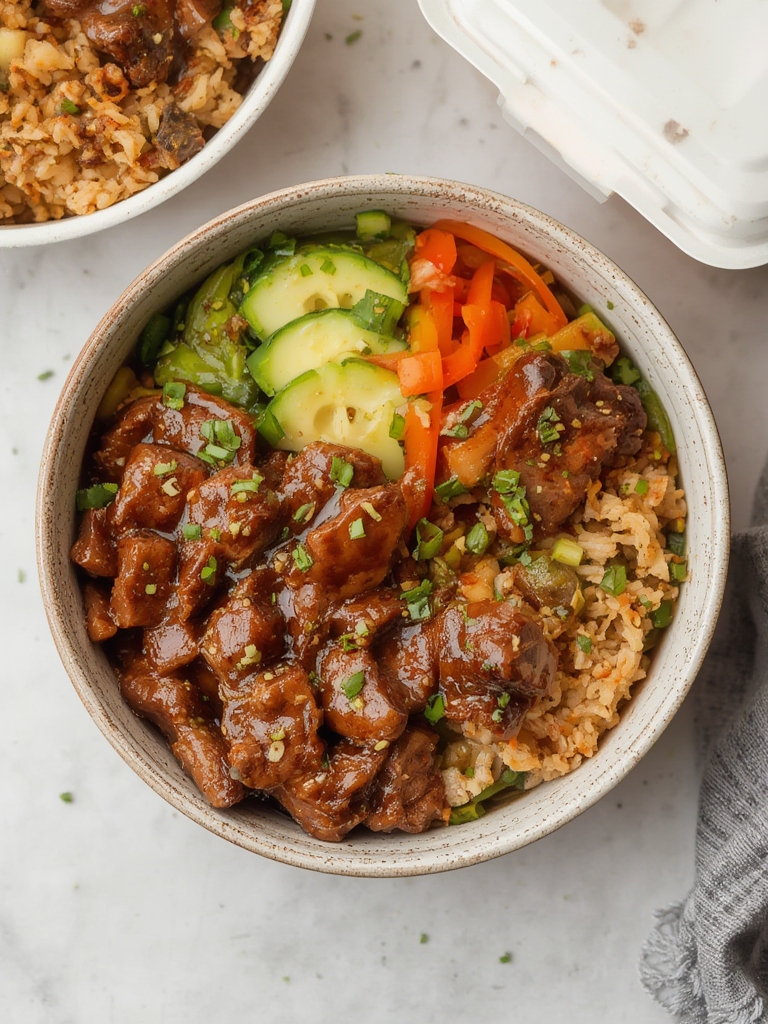
In today’s visually driven culinary world, the line between food and art is blurring faster than ever. Chefs, food photographers, and home cooks alike are turning to fresh, vibrant plants not only for flavor but also for the striking visual impact they bring to a plate. This guide walks you through the entire process—from selecting the right plant varieties to nurturing them at home—so you can consistently create Instagram‑worthy dishes that taste as good as they look.
Why Choose Edible Plants for Aesthetic Food Styling?
Data from the 2023 Food Photography Trends Report shows that dishes featuring edible flowers and microgreens receive 27% more engagement on social media than those without. The reasons are simple:
- Color contrast: Bright reds, purples, and yellows instantly draw the eye.
- Texture variety: Delicate petals and crisp shoots add depth.
- Freshness perception: Consumers associate live greens with higher quality.
By growing these plants yourself, you control quality, reduce waste, and ensure a steady supply for every shoot or service.
Choosing the Right Plants
Microgreens
Microgreens are young seedlings harvested at the 2–3 leaf stage. They pack intense flavor and color in a tiny package. Top choices for styling include:
- Radish: Fiery red stems and peppery bite.
- Basil: Deep green leaves with sweet aroma.
- Pea shoots: Light green, slightly sweet, perfect for contrast.
Edible Flowers
Edible flowers add a pop of color and a subtle fragrance. Popular, safe varieties are:
- Viola (pansies): Wide color range, mild flavor.
- Nasturtium: Bright orange‑red petals, peppery taste.
- Calendula: Golden petals, slightly tangy.
Step‑by‑Step Guide to Growing Your Aesthetic Plants
1. Gather Supplies
Start with a clean, well‑ventilated space. You’ll need:
- Shallow trays (2–3 inches deep) with drainage holes.
- Organic seed‑starting mix—light and sterile.
- Seed packets (choose from the varieties above).
- Spray bottle for misting.
- Grow lights (LED, 4000 K) if natural light is limited.
Tip: Reuse clean plastic containers to keep costs low and reduce waste.
2. Prepare the Growing Medium
Fill each tray with the seed‑starting mix, leveling it without compacting. Aim for a depth of about 1 inch; this allows roots to spread while keeping the surface even for uniform germination.
Practical tip: Lightly tap the tray on a flat surface to settle the mix, then mist once to achieve a damp but not soggy texture.
3. Sow the Seeds
For microgreens, scatter seeds densely—roughly 1 gram per square foot. For edible flowers, use a slightly lighter sowing density (about 0.5 gram per square foot) to give each seed room to develop larger leaves.
Actionable advice: Use a fine mesh sieve to distribute seeds evenly, then gently press them into the soil with the back of a spoon.
4. Cover and Germinate
Place a second tray or a clear plastic lid over the sowing tray to retain humidity. Position the setup in a warm spot (70–75 °F / 21–24 °C). Microgreens typically sprout within 2–4 days; edible flowers may take 5–7 days.
Tip: Check daily for condensation. If excess water builds up, briefly lift the cover to allow airflow and prevent mold.
5. Light and Water Management
Once seedlings break through the soil surface, remove the cover and move the trays under grow lights or a sunny windowsill (minimum 4 hours of direct light). Keep the lights 12–18 inches above the foliage.
Watering schedule:
- Microgreens: Mist twice daily to keep the surface moist.
- Edible flowers: Water lightly every 24 hours, ensuring the soil stays damp but not waterlogged.
Practical tip: Use a timer for lights and a small spray bottle for consistent misting.
6. Harvest at Peak Freshness
Microgreens are ready when the first true leaves appear (usually 7–10 days after sowing). Cut just above the soil line with clean scissors. Edible flowers should be harvested when buds are fully opened but before they start to wilt—typically 30–45 days after sowing.
Actionable advice: Harvest in the morning when moisture content is highest; this preserves crispness and flavor.
7. Store and Use
Place harvested greens in a breathable container (e.g., a paper towel‑lined plastic box) and refrigerate. Use within 2–3 days for optimal texture. Edible flowers are best used fresh; if needed, store them in a single layer between damp paper towels in the fridge for up to 1 day.
Tip: Keep a small “style kit” ready—tongs, tweezers, and a micro‑brush—to place delicate petals precisely on plates.
Integrating Your Home‑Grown Greens into Aesthetic Dishes
Color Pairing
Match the hue of your greens with the main component of the dish. For example, pair bright red radish microgreens with beetroot purées, or use deep purple basil shoots alongside roasted eggplant.
Texture Layering
Combine crisp microgreens with soft purees and smooth sauces. The contrast creates visual interest and a satisfying mouthfeel.
Plating Techniques
1. Scatter: Lightly toss a handful of microgreens over a plated portion for a natural look.
2. Brush: Use a soft pastry brush to apply a thin line of flower petals along the edge of a plate.
3. Stack: Build height by layering a base of pureed vegetables, topping with a central mound of microgreens, and crowning with a single edible flower.
Maintaining a Continuous Harvest Cycle
To avoid running out of styling ingredients, stagger sowing every 3–4 days. This “relay planting” method ensures that at any given time you have seedlings at various growth stages, providing a constant supply of fresh greens and flowers.
Quick tip: Keep a simple spreadsheet noting sowing dates, variety, and expected harvest dates. This data‑driven approach helps you plan shoots and menus with confidence.
Common Challenges and How to Overcome Them
Mold Formation
Excess humidity is the main culprit. If you notice fuzzy spots, increase airflow by removing covers for a few hours each day and ensure trays are not stacked too tightly.
Leggy Growth
Insufficient light causes seedlings to stretch. Move trays closer to the light source or increase the light intensity to 200–300 µmol m⁻² s⁻¹.
Flavor Variability
Stress (temperature swings, over‑watering) can alter taste. Keep the growing environment stable and water consistently to maintain the intended peppery, sweet, or mild profiles.
Final Thoughts
By mastering the simple, data‑backed steps outlined above, you’ll transform your kitchen into a mini‑studio where fresh, vibrant plants are always ready for the next aesthetic food creation. The combination of consistent home‑grown microgreens and edible flowers not only elevates visual appeal but also adds a layer of freshness that diners can taste. Start small, track your results, and watch your plating game—and your social media engagement—grow alongside your plants.