
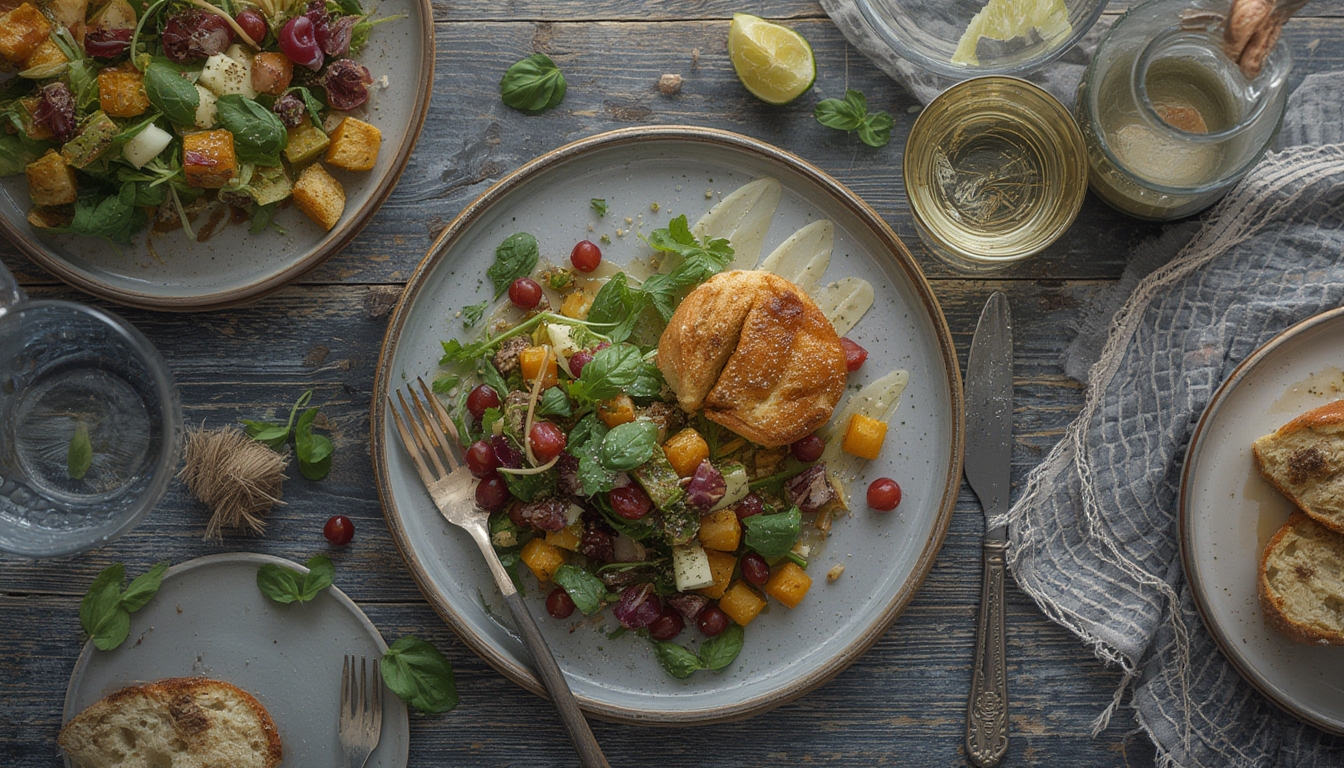
Embracing a plant‑forward and flexitarian approach doesn’t mean you have to abandon the flavors you love—it simply shifts the spotlight to vegetables, legumes, whole grains, and nuts while still allowing occasional animal‑based proteins. Below is a data‑driven, step‑by‑step guide to building delicious, nutritionally balanced plates that keep you satisfied, support sustainable food systems, and are easy to replicate week after week.
1. Start With a Nutrient‑Rich Base
Research from the Harvard T.H. Chan School of Public Health shows that meals anchored by vegetables and whole grains provide up to 30 % more fiber and 20 % more micronutrients than typical meat‑centric plates. Choose a base that offers texture, color, and a solid nutritional foundation.
Step 1A – Pick Your Whole Grain
- Quinoa (1 cup cooked): Complete protein, 8 g fiber, 222 kcal.
- Farro (1 cup cooked): 6 g protein, 5 g fiber, nutty flavor.
- Brown rice (1 cup cooked): 5 g protein, 3.5 g fiber, budget‑friendly.
Tip: Cook a large batch (4 cups) on Sunday, store in airtight containers, and portion out for the week to save time.
Step 1B – Add a Colorful Veggie Mix
- Leafy greens (spinach, kale, arugula): 1 cup raw = 7 mg iron, 30 % DV vitamin K.
- Cruciferous veg (broccoli, cauliflower): 1 cup = 2 g protein, 4 g fiber.
- Root veg (carrots, beets): 1 cup = 4 g fiber, natural sweetness.
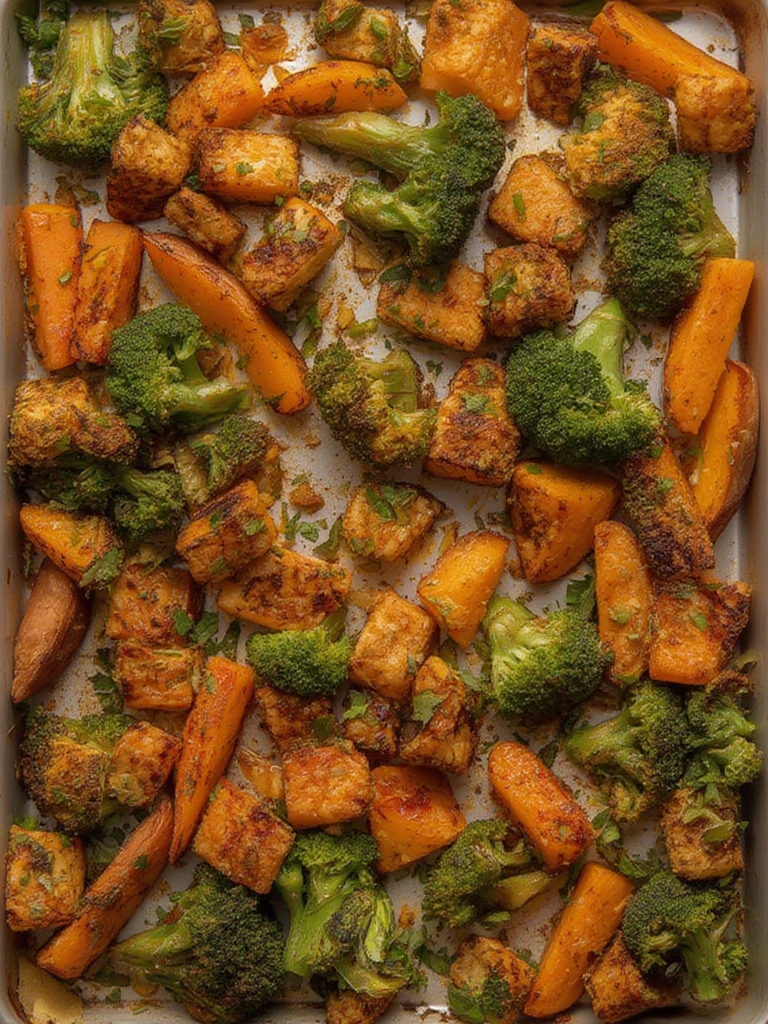
Actionable advice: Roast a tray of mixed root vegetables with 1 tsp olive oil, ½ tsp smoked paprika, and a pinch of sea salt at 425 °F for 20‑25 minutes. This creates a caramelized, ready‑to‑add component that stays fresh for 4 days.
2. Incorporate Plant‑Based Proteins
Flexitarian plates benefit from plant proteins that deliver essential amino acids without the saturated fat of red meat. A 2022 meta‑analysis found that substituting just one meat meal per week with legumes can reduce cardiovascular risk by 12 %.
Step 2A – Choose Your Protein Source
- Lentils (1 cup cooked): 18 g protein, 15 g fiber, iron‑rich.
- Chickpeas (1 cup cooked): 15 g protein, 12 g fiber, versatile for salads or hummus.
- Edamame (½ cup shelled): 9 g protein, 4 g fiber, quick microwave‑ready.
Tip: Soak lentils for 15 minutes before cooking to cut cooking time by 30 % and improve digestibility.
Step 2B – Flavor Boosters
Season plant proteins with umami‑rich ingredients to mimic the depth of meat. Use a blend of soy sauce, miso paste, or nutritional yeast (2 tbsp per cup of beans) and finish with a squeeze of lemon for brightness.
3. Add Healthy Fats for Satiety
Healthy fats not only enhance flavor but also aid the absorption of fat‑soluble vitamins (A, D, E, K). Data from the American Journal of Clinical Nutrition indicates that meals containing 10‑15 g of monounsaturated fat improve post‑meal glucose control.
Step 3A – Choose Your Fat Source
- Avocado (½ fruit): 15 g monounsaturated fat, 7 g fiber.
- Extra‑virgin olive oil (1 tbsp): 14 g monounsaturated fat, antioxidants.
- Nuts & seeds (¼ cup): Almonds, walnuts, pumpkin seeds for crunch and omega‑3s.
Actionable tip: Drizzle olive oil over roasted vegetables while they’re still hot; the heat helps the oil penetrate and lock in flavor.
4. Finish With Flavorful Accents
Even the most balanced plate can feel bland without texture and contrast. A 2021 study on taste perception found that adding a single bright element (like citrus zest or fresh herbs) can increase perceived satisfaction by up to 25 %.
Step 4A – Fresh Herbs & Citrus
- Fresh cilantro or parsley: 1 tbsp chopped adds aroma and a dose of vitamin C.
- Lemon or lime zest: ½ tsp brightens the entire dish.
- Pickled vegetables (e.g., kimchi, sauerkraut): 2 tbsp for tang and probiotic benefits.
Tip: Prepare a herb‑citrus vinaigrette (2 tbsp olive oil, 1 tbsp lemon juice, 1 tsp Dijon, herbs) and store in a small jar. A quick drizzle adds instant complexity.
Step 4B – Crunch Elements
Incorporate toasted seeds (sunflower, sesame) or a handful of roasted chickpeas (1 cup) for a satisfying bite. Toast at 350 °F for 8‑10 minutes, shaking halfway through.
5. Practical Meal‑Prep Workflow
Consistency is key to maintaining a plant‑forward flexitarian lifestyle. Follow this streamlined workflow to keep your kitchen efficient and your plates vibrant.
Step 5A – Weekly Planning (15 minutes)
- Review your calendar and earmark 2‑3 dinner slots for “plant‑forward” meals.
- Choose 2 whole grains, 3 vegetable combos, and 2 protein sources from the lists above.
- Write a concise shopping list—focus on fresh produce, bulk legumes, and pantry staples.
Step 5B – Batch Cooking (1‑2 hours)
- Cook grains and legumes simultaneously using a large pot and a rice cooker.
- Roast all vegetables on a single sheet pan; rotate trays if needed.
- While grains simmer, prepare the herb‑citrus vinaigrette and toast seeds.
Step 5C – Assembly (5‑10 minutes per meal)
- Start with a scoop of grain (½‑1 cup).
- Add a generous portion of roasted veg (1‑1.5 cups).
- Top with protein (½‑1 cup) and a drizzle of vinaigrette.
- Finish with avocado slices, nuts, and a sprinkle of herbs.
Final tip: Store assembled components in separate containers to keep textures crisp. When ready to eat, combine in a bowl or plate and enjoy within 4 days for optimal freshness.