
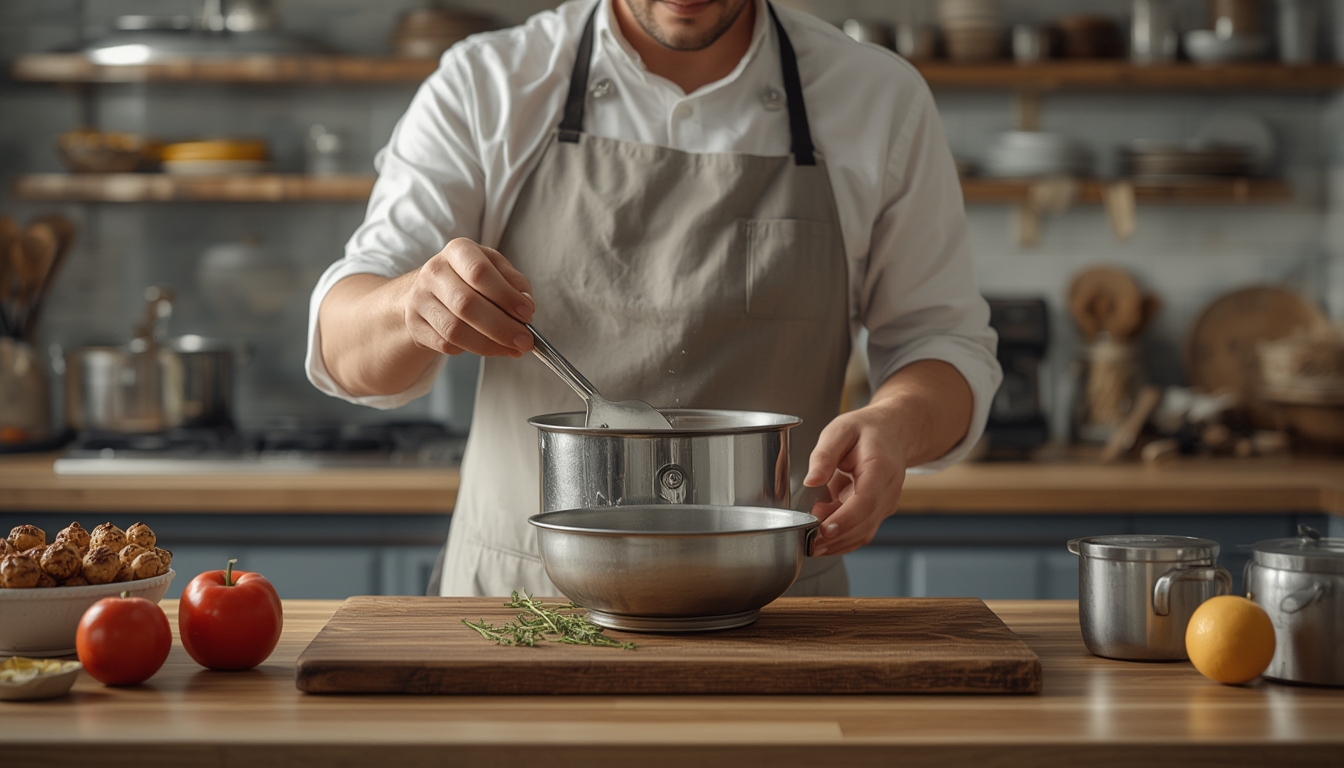

Cooking at home doesn’t have to be a time‑consuming chore. By integrating a few data‑driven kitchen hacks and smart cooking techniques, you can cut prep time, reduce waste, and consistently deliver flavorful meals. Below is a step‑by‑step guide that blends proven culinary science with everyday technology, helping you become a more efficient and confident home chef.
Smart Meal Planning with Data‑Backed Insights
1. Analyze Your Weekly Consumption Patterns
Start by reviewing the past month’s grocery receipts or a simple spreadsheet of what you’ve cooked. Identify the top five ingredients that appear most often. This data tells you which staples you truly need, allowing you to buy in bulk and reduce per‑unit cost.
Tip: Use a free budgeting app to tag meals by protein, carb, and vegetable categories. The visual charts will highlight imbalances—like too many carbs or not enough greens—so you can adjust your plan accordingly.
2. Build a Rotating Menu Template
Design a 7‑day template that repeats every two weeks. Allocate two “quick‑prep” nights, two “slow‑cooker” nights, and three “flex” nights where you can experiment. By keeping the structure consistent, you eliminate decision fatigue and free up mental bandwidth for cooking.
Actionable Advice: Write the template on a dry‑erase board in your kitchen. Each Sunday, fill in the specific dishes based on the ingredients you already have, then shop only for the missing items.
3. Leverage Seasonal Data
Consult a local farmer’s market calendar or an online seasonal produce guide. Buying in‑season produce not only improves flavor but also reduces price by up to 30 % compared to out‑of‑season imports.
Tip: When a fruit or vegetable is at its peak, plan at least two meals around it—one as a main component and another as a side or salad.
Efficient Prep Techniques that Save Time and Energy
1. Batch‑Prep Core Ingredients
Dedicate 30–45 minutes once a week to pre‑cook versatile components: roasted chicken thighs, quinoa, and a mix of sautéed onions, garlic, and bell peppers. Store each in airtight containers.
Practical Trick: Label containers with the date and a quick “use‑by” reminder (e.g., “Best within 4 days”). This visual cue reduces waste and speeds up daily assembly.
2. Use the “Two‑Minute Rule” for Cleanup
While a pot simmers, spend two minutes washing the utensils you just used. This habit prevents a mountain of dishes at the end of the night and keeps your workspace organized, which in turn speeds up prep.
Actionable Advice: Keep a small dish rack on the counter for immediate placement of rinsed items. A tidy station encourages faster movement between steps.
3. Optimize Knife Skills with a Guided Drill
Set a timer for 5 minutes and practice uniform dicing of an onion. Consistency in size ensures even cooking and reduces the need for constant stirring or checking for doneness.
Tip: Use a ruler or a kitchen scale to measure a few pieces. When the variance is under 2 mm, you’ve hit a reliable rhythm.
Cooking with Technology: Harnessing Smart Appliances
1. Program Your Smart Oven for Multi‑Stage Cooking
Many modern ovens allow you to set a “reverse sear” profile: start at a low temperature (120 °F) for gentle cooking, then finish with a high‑heat blast (450 °F) for crispness. This method yields perfectly cooked meat without over‑cooking the exterior.
Practical Tip: Save the profile under a custom name like “Steak‑Perfect” for one‑click access.
2. Use a Bluetooth Sous‑Vide for Precise Temperature Control
Set the device to the exact temperature recommended for your protein (e.g., 131 °F for medium‑rare steak). The water bath maintains that temperature within ±0.1 °F, guaranteeing consistent results.
Actionable Advice: Pair the sous‑vide with a vacuum‑seal bag that has a zip‑lock for quick release. This reduces prep time compared to traditional vacuum sealers.
3. Integrate Voice‑Activated Timers
Ask your smart speaker to set multiple timers with labels (“sauce simmer 10 minutes”, “rice 20 minutes”). When each timer ends, the speaker announces the label, eliminating the need to glance at a clock.
Tip: Use the “pause” command if you need to stir or check a dish, then resume with a single voice command.
Storage Solutions that Extend Freshness
1. Adopt the “Paper‑Towel + Airtight” Method for Greens
Wrap lettuce, spinach, or kale in a dry paper towel before sealing in a zip‑lock bag. The towel absorbs excess moisture, slowing wilting by up to 50 %.
Practical Trick: Store the bag in the crisper drawer’s low‑humidity zone for optimal results.
2. Portion‑Freeze Cooked Grains
After cooking quinoa or brown rice, spread it on a baking sheet to cool quickly, then transfer to freezer‑safe bags in 1‑cup portions. This prevents clumping and lets you grab a single serving in seconds.
Actionable Advice: Label each bag with the cooking date and a quick “reheat 90 s in microwave” note.
3. Use Transparent Containers for Visibility
Store pantry staples—beans, nuts, dried herbs—in clear, airtight jars. The visual cue helps you see when supplies are low, prompting timely restocking and reducing surprise shortages.
Tip: Add a small chalkboard label on each jar for the purchase date; this also aids in rotating stock.
Energy‑Saving Practices for a Greener Kitchen
1. Match Pot Size to Burner
Using a small pot on a large burner wastes heat. Choose the smallest pot that comfortably holds your ingredients, aligning the flame or induction coil to the pot’s base for maximum efficiency.
Practical Tip: When simmering, cover the pot with a lid. This can cut cooking time by up to 30 % and reduces energy consumption.
2. Batch‑Cook with Residual Heat
After boiling pasta, turn off the stove and let the water sit covered for an additional 2–3 minutes. The residual heat finishes cooking the noodles without extra gas or electricity.
Actionable Advice: Test this method with a small batch first to gauge the exact timing for your stove’s heat retention.
3. Optimize Refrigerator Organization
Keep the fridge at 37–40 °F and avoid over‑packing, which blocks airflow. Group items by temperature zones: dairy on the middle shelves, meats on the bottom drawer, and fruits on the top shelf.
Tip: Perform a quick weekly “fridge audit” to discard expired items, which reduces the load and improves cooling efficiency.
By integrating these data‑driven hacks—ranging from strategic meal planning to smart appliance usage—you’ll streamline your kitchen workflow, cut waste, and consistently deliver delicious meals with less effort. Start with one or two changes this week, track the results, and gradually build a kitchen routine that works for you.