
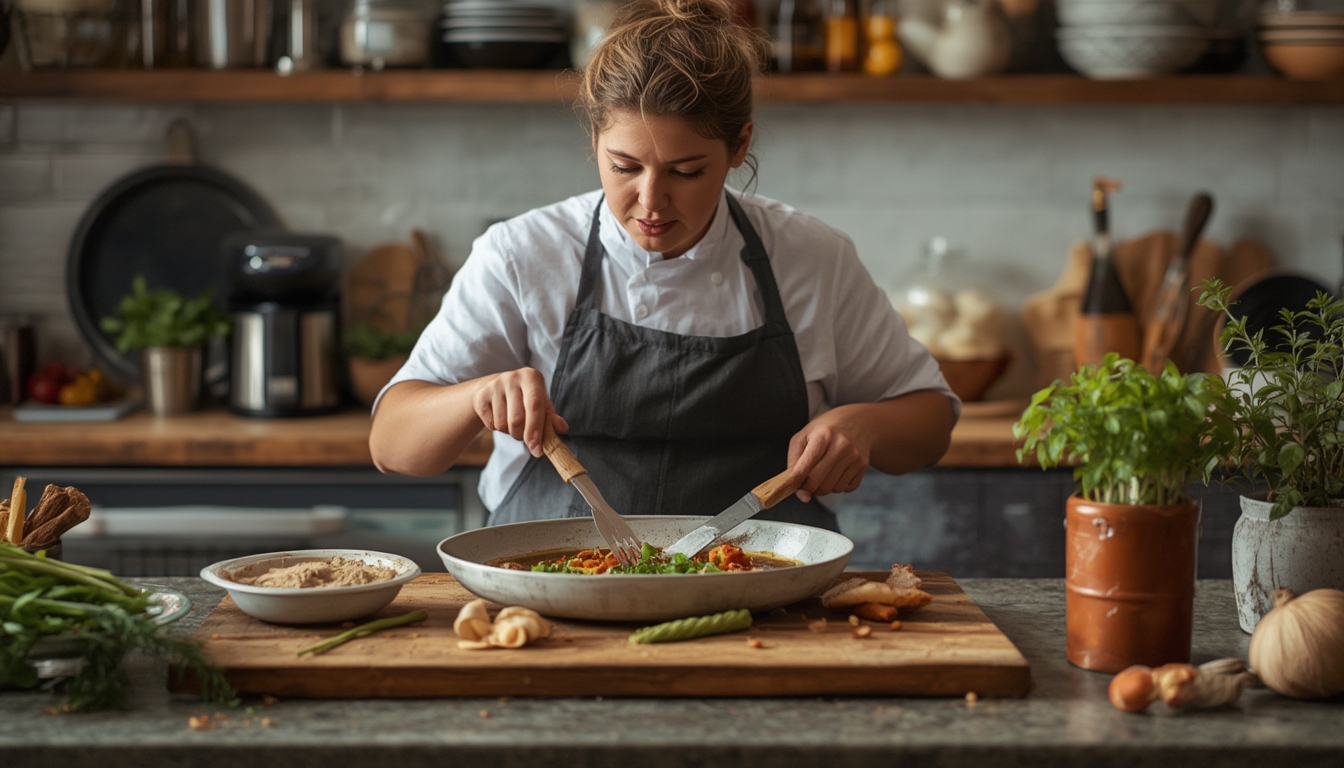

Welcome to a hands‑on guide that blends the science of functional nutrition with the joy of home gardening. By growing your own kale and turning it into vibrant, health‑boosting meals, you’ll enjoy fresher flavors, higher nutrient retention, and a deeper connection to what you eat. Below you’ll find step‑by‑step instructions, practical tips, and quick tricks to ensure success from seed to plate.
Why Kale Is a Functional Food
Kale ranks among the top “superfoods” for a reason. A 100‑gram serving delivers:
- ≈ 817 µg of vitamin K (≈ 1020% of the Daily Value)
- ≈ 120 mg of vitamin C (≈ 133% DV)
- ≈ 2 g of dietary fiber
- Powerful antioxidants such as quercetin and kaempferol
- Glucosinolates that support detoxification pathways
These compounds collectively help reduce inflammation, support bone health, and improve cardiovascular function—making kale a cornerstone of any healthy & functional cooking regimen.
Growing Kale at Home
1. Selecting the Right Variety
Choose a variety that matches your climate and culinary preferences:
- Lacinato (Dinosaur) – tender leaves, great for raw salads.
- Curly Kale – robust texture, ideal for sautéing and chips.
- Red Russian – milder flavor, perfect for smoothies.
Tip: If you live in a region with hot summers, opt for a heat‑tolerant variety like ‘Winterbor’ to avoid bolting.
2. Preparing the Soil
Healthy soil equals healthy plants. Follow these steps:
- Test pH: Aim for 6.0–6.8. Amend with lime (to raise pH) or sulfur (to lower pH) as needed.
- Incorporate organic matter: Mix in 2–3 inches of compost or well‑rotted manure to improve structure and nutrient availability.
- Apply a balanced starter fertilizer (10‑10‑10) at 1 lb per 100 sq ft.
Quick trick: Sprinkle a handful of bone meal for extra calcium, which supports leaf development.
3. Sowing Seeds
Timing and spacing are critical:
- Plant seeds ¼‑½ inch deep, 12‑18 inches apart in rows spaced 24 inches apart.
- If starting indoors, sow 4‑weeks before the last frost in seed trays with a light seed‑starting mix.
- Transplant seedlings when they have 2–3 true leaves and the outdoor temperature is consistently above 45 °F (7 °C).
Actionable tip: Water gently with a misting bottle to avoid displacing seeds.
4. Watering & Mulching
Kale prefers consistent moisture:
- Water at the base of the plant to keep foliage dry and reduce disease risk.
- Provide 1‑1.5 inches of water per week, adjusting for rainfall.
- Apply a 2‑inch layer of organic mulch (straw, shredded leaves) to retain soil moisture and suppress weeds.
Pro tip: Use a drip‑irrigation line with a timer for precise, hands‑free watering.
5. Fertilizing Throughout the Season
Maintain nutrient levels with a split‑application approach:
- Every 4‑6 weeks, side‑dress with a nitrogen‑rich organic fertilizer (e.g., blood meal) to sustain leaf growth.
- In the mid‑season, add a potassium boost (e.g., kelp meal) to improve disease resistance.
Quick reminder: Over‑fertilizing with nitrogen can cause rapid, tender growth but may reduce flavor intensity.
6. Managing Pests & Diseases
Common culprits include aphids, cabbage loopers, and downy mildew. Effective, low‑impact controls:
- Introduce beneficial insects such as ladybugs and parasitic wasps.
- Apply a neem oil spray (1 tsp per quart of water) weekly during peak pest activity.
- Practice crop rotation: avoid planting brassicas in the same spot for at least 3 years.
Actionable tip: Hand‑pick larger pests early in the morning when they’re less active.
Harvesting and Storing Kale
1. When to Harvest
Begin harvesting when leaves reach 6‑8 inches in length. For continuous yield:
- Cut the outermost leaves first, leaving the central growing point intact.
- Harvest every 2‑3 weeks throughout the growing season.
Data point: Cutting leaves stimulates lateral growth, extending the harvest window by up to 8 weeks.
2. Post‑Harvest Handling
To preserve nutrients:
- Rinse gently with cool water; avoid soaking to prevent leaching of water‑soluble vitamins.
- Pat dry with a clean kitchen towel or spin in a salad‑spinner.
- Store in a perforated plastic bag in the crisper drawer (34‑38 °F / 1‑3 °C). Use within 5‑7 days for optimal flavor.
Quick tip: Wrap leaves in a damp paper towel before bagging to maintain humidity without excess moisture.
Transforming Kale into Nutritious Meals
1. Kale‑Infused Smoothies
Blend for a vitamin‑packed start to the day:
- 1 cup packed raw kale (stems removed)
- ½ banana
- ½ cup frozen berries
- 1 cup unsweetened almond milk
- 1 tbsp chia seeds
Blend on high for 30 seconds. The chia seeds add omega‑3 fatty acids, complementing kale’s antioxidants.
2. Sautéed Garlic Kale
A quick side that maximizes bioavailability of fat‑soluble nutrients:
- Heat 1 tbsp extra‑virgin olive oil in a skillet over medium heat.
- Add 2 minced garlic cloves; sauté 30 seconds until fragrant.
- Add 4 cups chopped kale; toss to coat.
- Season with a pinch of sea salt and a splash of lemon juice.
- Cook 4‑5 minutes, stirring occasionally, until leaves are wilted but still bright green.
Serving with a squeeze of lemon boosts vitamin C absorption, enhancing iron uptake from kale.
3. Kale Chips for a Crunchy Snack
Low‑calorie, high‑fiber snack in 5 steps:
- Preheat oven to 300 °F (150 °C).
- Toss torn kale pieces (stems removed) with 1 tsp olive oil and a pinch of sea salt.
- Spread in a single layer on a baking sheet lined with parchment.
- Bake 20‑25 minutes, turning halfway, until crisp.
- Cool on a wire rack; store in an airtight container for up to 3 days.
Because the temperature is low, heat‑sensitive antioxidants remain largely intact.
4. Kale‑Based Soup for Immune Support
One‑pot comfort that leverages the synergistic power of vegetables:
- Sauté 1 diced onion and 2 minced garlic cloves in 1 tbsp olive oil until translucent.
- Add 4 cups low‑sodium vegetable broth, 1 diced carrot, and 1 diced celery stalk.
- Bring to a boil, then reduce to a simmer for 10 minutes.
- Stir in 3 cups chopped kale; simmer 5 minutes until tender.
- Blend half of the soup for a creamy texture, then return to pot.
- Finish with a drizzle of lemon juice and a sprinkle of toasted pumpkin seeds for added zinc.
This combination delivers vitamin C, vitamin K, and zinc—key nutrients for immune resilience.
Putting It All Together: A Weekly Blueprint
To make healthy & functional cooking a habit, follow this simple schedule:
- Monday: Harvest kale; prepare a kale‑smoothie for breakfast.
- Tuesday: Sauté kale with garlic; serve alongside grilled salmon.
- Wednesday: Bake a batch of kale chips; snack during the afternoon.
- Thursday: Add raw kale to a quinoa salad; toss with olive oil and apple cider vinegar.
- Friday: Cook the kale‑based immune soup; freeze leftovers for the weekend.
- Weekend: Rotate planting new seedlings; review soil moisture and adjust mulch.
By aligning planting, harvesting, and cooking steps, you’ll keep a steady supply of fresh, nutrient‑dense kale while minimizing waste.
Embrace the cycle of growth, harvest, and culinary creativity. With these data‑backed practices, your kitchen will become a hub of functional nutrition, and every bite will reflect the care you put into nurturing the plant from seed to plate.