
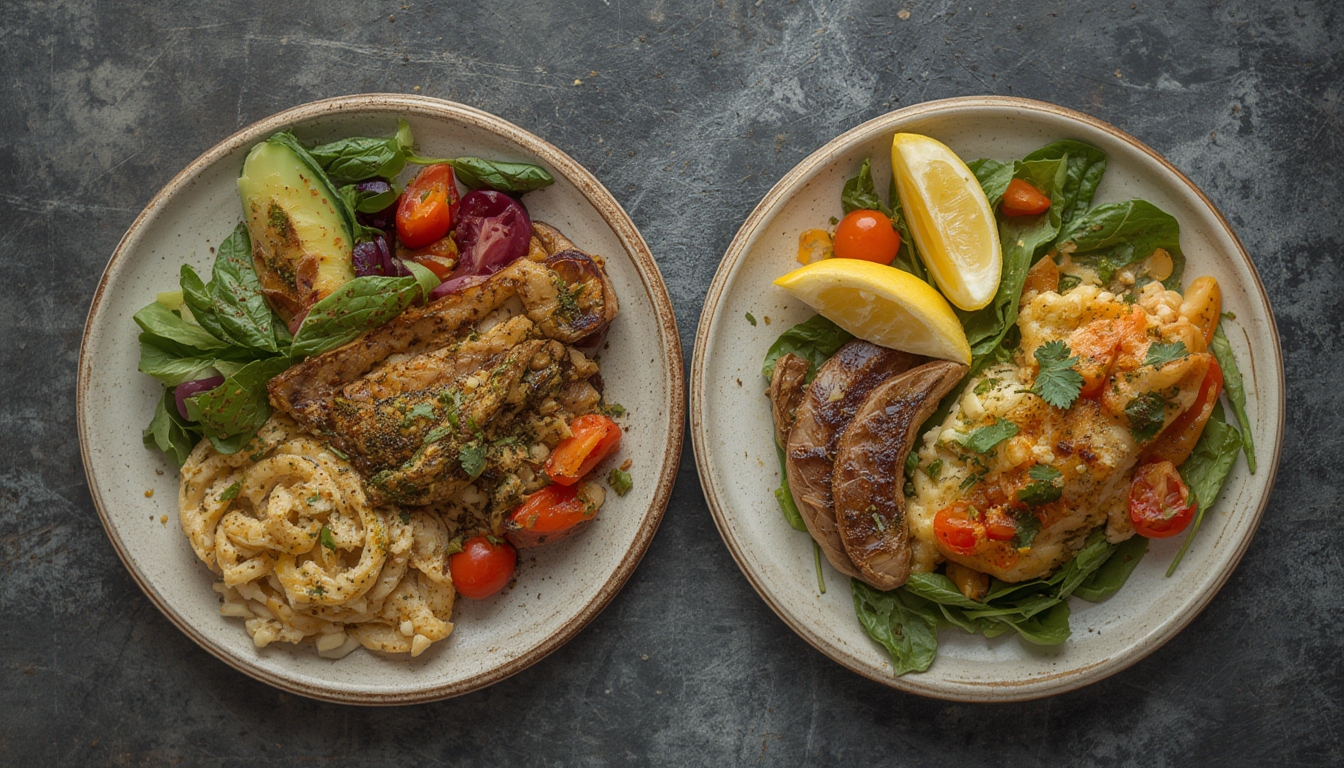
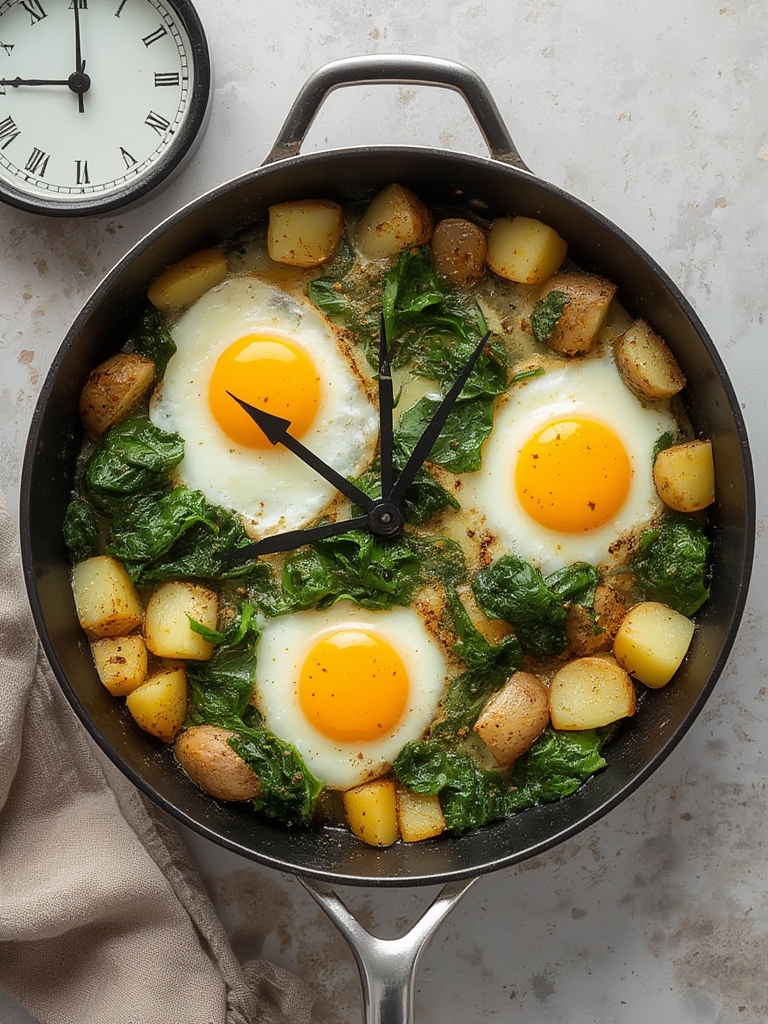
Adopting a plant‑forward and flexitarian approach doesn’t mean giving up flavor or variety—it’s about building plates that showcase vegetables, legumes, whole grains, and occasional animal proteins in a balanced, satisfying way. Below you’ll find a step‑by‑step guide that walks you through selecting the right ingredients, preparing them efficiently, and assembling meals that keep you energized and excited about eating more plants every day.
Step 1: Choose a Seasonal Base
Seasonal produce is fresher, more affordable, and packed with nutrients. Start each week by checking your local farmer’s market or grocery store for the best‑looking vegetables and fruits.
Practical Tips
- Make a quick visual scan: Look for vibrant colors, firm textures, and no signs of wilting.
- Buy in bulk for staples: Items like carrots, onions, and cabbage store well for weeks.
- Rotate varieties: If you love broccoli this month, try cauliflower or Brussels sprouts next month to keep flavors fresh.
Step 2: Build a Protein Foundation
Flexitarian plates balance plant proteins with occasional animal sources. Aim for at least one protein source per meal.
Plant‑Based Options
- Legumes (lentils, chickpeas, black beans) – great for soups, salads, and grain bowls.
- Tofu or tempeh – marinate for 15 minutes, then bake or stir‑fry.
- Edamame or peas – quick to steam and perfect for adding a pop of green.
Animal‑Based Options (Optional)
- Skinless poultry breast – grill or poach, then slice thinly.
- Eggs – scramble, poach, or turn into a veggie‑packed frittata.
- Wild‑caught fish – season lightly and bake for 10‑12 minutes.
Actionable Advice
Prepare a batch of cooked beans or lentils at the start of the week (about 2 cups each). Store them in airtight containers; they’ll be ready to toss into salads, wraps, or grain bowls in seconds.
Step 3: Master the Grain Component
Whole grains add texture, fiber, and a neutral canvas for flavors. Choose two to three different grains for the week to keep meals interesting.
Quick‑Cook Grains
- Quinoa – rinse, then simmer 1 part quinoa to 2 parts water for 15 minutes.
- Bulgar – soak in hot water for 10 minutes; no cooking required.
- Farro – cook like rice, about 20‑25 minutes.
Storage Hack
After cooking, spread grains on a baking sheet to cool quickly, then transfer to a zip‑top bag. They’ll stay fresh for up to 5 days in the fridge, ready for reheating or cold salads.
Step 4: Add Flavor Layers
Flavor is the secret sauce of a plant‑forward plate. Use a combination of aromatics, herbs, spices, and healthy fats to build depth.
Daily Flavor Routine
- Aromatics: Start most sautés with a base of onion, garlic, and ginger (2 min on medium heat).
- Fresh herbs: Finish dishes with cilantro, parsley, or basil for brightness.
- Spice blends: Keep a few go‑to mixes—like smoked paprika, cumin‑coriander, or za’atar—on hand for quick seasoning.
- Healthy fats: Drizzle a teaspoon of extra‑virgin olive oil, a splash of toasted sesame oil, or a dollop of avocado at the end of cooking.
Tip for Consistency
Pre‑mix a “flavor packet” each week: combine dried herbs, spices, a pinch of sea salt, and a dash of pepper in a small jar. Sprinkle a tablespoon into stir‑fries or roasted veggies for instant taste.
Step 5: Cook Smart, Not Hard
Batch cooking and using versatile techniques save time and reduce waste.
One‑Pan Roasting
- Preheat oven to 425 °F (220 °C).
- Cut a mix of root vegetables (sweet potatoes, carrots, beets) and sturdy greens (broccoli, cauliflower) into uniform pieces.
- Toss with olive oil, salt, pepper, and a pinch of your flavor packet.
- Spread on a parchment‑lined sheet; roast 20‑30 minutes, stirring halfway.
- When done, portion into containers with pre‑cooked grains and protein.
Stir‑Fry in Minutes
- Heat a wok or large skillet over high heat; add a splash of oil.
- Drop in aromatics (onion, garlic, ginger) for 30 seconds.
- Add quick‑cook veggies (snap peas, bell peppers, baby corn) and stir for 2‑3 minutes.
- Introduce pre‑cooked protein and a splash of low‑sodium soy sauce or tamari.
- Finish with a squeeze of lime and a handful of fresh herbs.
Step 6: Assemble the Plate
Visually appealing plates encourage mindful eating. Aim for a ½‑vegetable, ¼‑grain, ¼‑protein ratio.
Plate‑Building Checklist
- Base: Start with a scoop of whole grain (½ cup cooked).
- Protein: Add a palm‑sized portion of beans, tofu, or meat (¼ cup).
- Veggies: Fill the remaining half with roasted, raw, or sautéed vegetables.
- Finish: Drizzle a teaspoon of sauce (pesto, tahini, or vinaigrette) and sprinkle herbs or nuts for crunch.
Actionable Visual Tip
Use a divided plate or a simple bowl with sections to keep portions consistent. This habit makes it easier to track macros and stay satisfied.
Step 7: Store and Reheat Properly
Proper storage preserves texture and flavor, making leftovers just as enjoyable as the original meal.
Container Choices
- Glass containers with snap‑on lids keep food odor‑free and are microwave‑safe.
- Portion‑size containers (≈ 1 cup) help with portion control.
Reheating Rules
- Microwave veggies with a splash of water (30‑45 seconds) to prevent drying.
- Reheat grains on the stovetop with a drizzle of broth for fluffiness.
- Stir‑fry leftovers in a hot pan for 2‑3 minutes; this restores crispness.
Step 8: Reflect and Adjust
At the end of each week, take a few minutes to note what worked and what didn’t. Small adjustments keep the routine fresh and aligned with your taste preferences.
Simple Reflection Sheet
- Which vegetables were most enjoyed? Add them to next week’s list.
- Did any protein feel repetitive? Swap tofu for tempeh or a different fish.
- Were any meals too dry or too soggy? Adjust cooking times or add a splash of broth.
By iterating weekly, you’ll fine‑tune a plant‑forward flexitarian menu that feels effortless, nutritious, and delicious.