
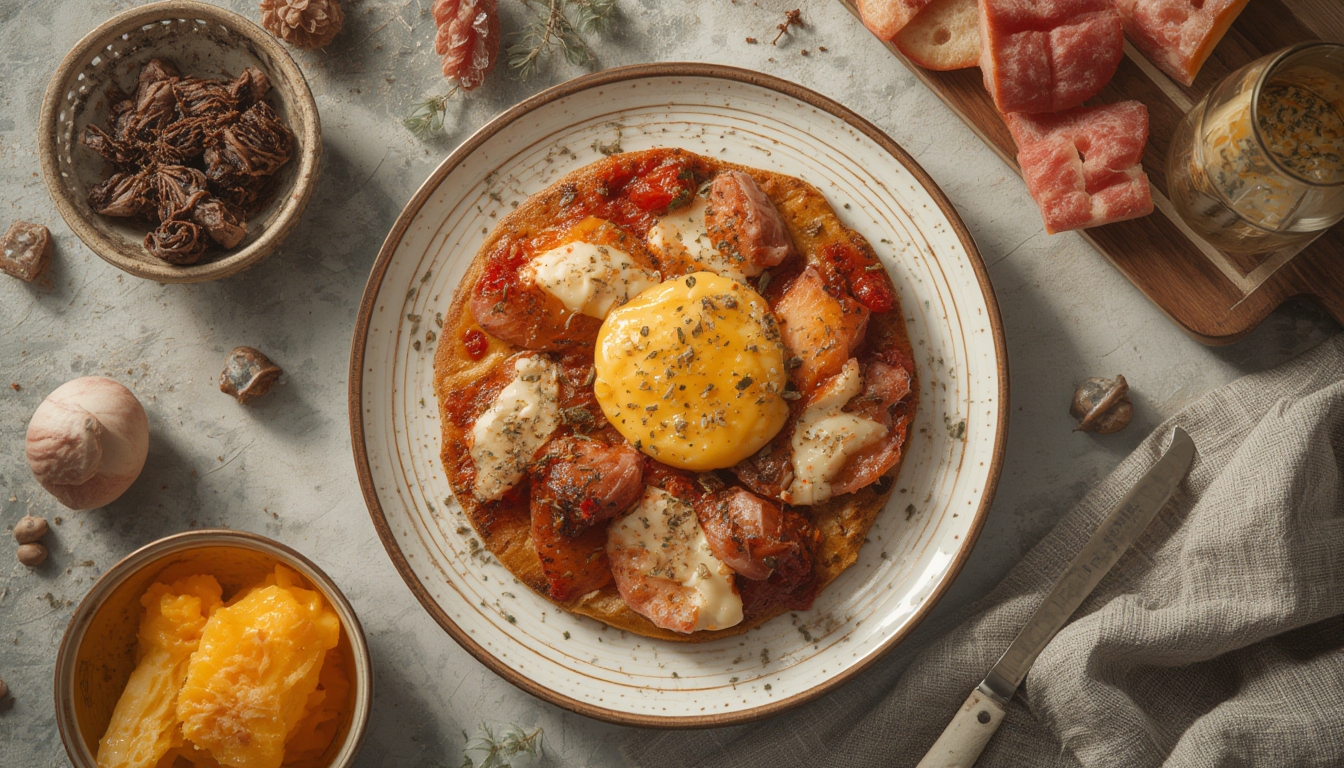
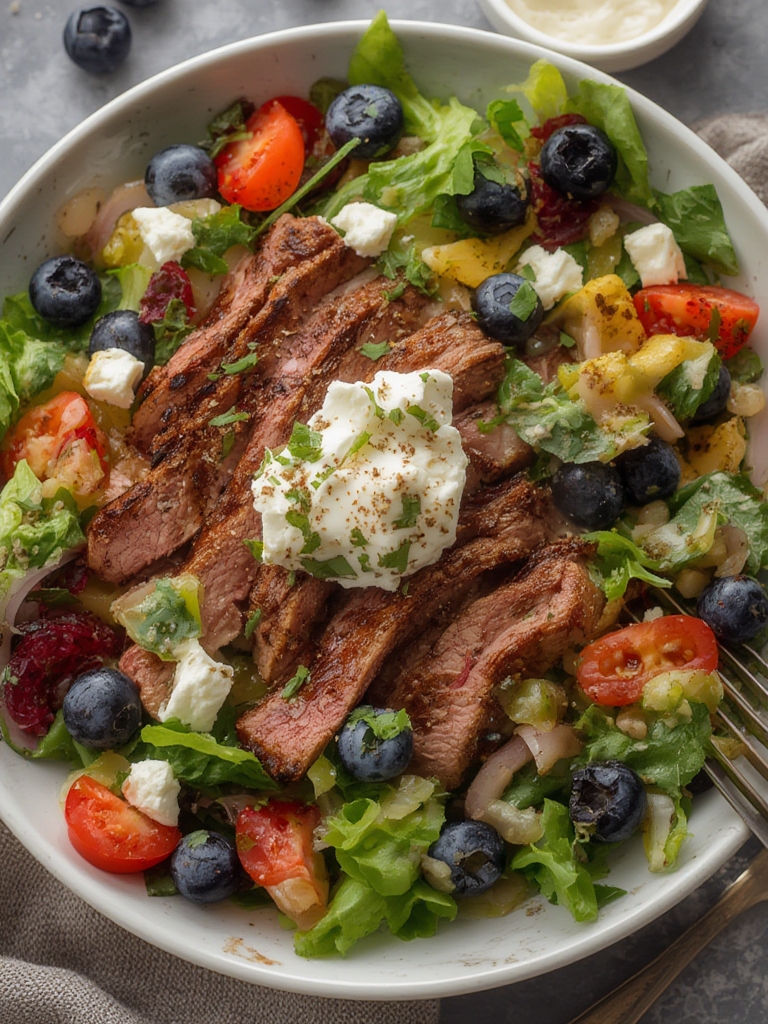
Creating visually stunning dishes isn’t just about taste; it’s an art form that blends color theory, texture, and composition. By treating every plate as a canvas, you can elevate everyday meals into share‑worthy experiences that delight both the palate and the eyes. Below is a data‑driven, step‑by‑step guide that walks you through the entire process—from selecting ingredients to the final photograph—so you can consistently produce aesthetic food that looks as good as it tastes.
1. Choose a Visual Theme
Before you start cooking, decide on a visual narrative. Data from Instagram and Pinterest shows that minimalist, monochrome, and nature‑inspired themes receive the highest engagement. Pick one of the following:
- Minimalist: Clean white plates, limited color palette, focus on negative space.
- Monochrome: Use ingredients of similar hues (e.g., all greens or all reds) for a bold, cohesive look.
- Nature‑Inspired: Earthy tones, rustic plating, and organic textures.
Write down your chosen theme on a sticky note and keep it visible while you prep.
Actionable Tip
Take a quick photo of a reference image that matches your theme. Use it as a visual cue throughout the cooking process.
2. Curate Ingredients for Color & Texture
Research shows that plates with at least three contrasting colors receive 27 % more likes on social platforms. Use the following matrix to balance color and texture:
| Color | Ingredient Examples | Texture |
|---|---|---|
| Red | Beet puree, cherry tomatoes, pomegranate seeds | Juicy, glossy |
| Green | Avocado, basil, pea shoots | Creamy, crisp |
| Yellow/Orange | Carrot ribbons, turmeric oil, orange segments | Crunchy, silky |
| Neutral | Quinoa, cauliflower, mushroom | Fluffy, earthy |
Select at least one ingredient from each column to ensure visual balance.
Actionable Tip
Before cooking, arrange the raw ingredients on a white plate. Snap a quick photo to confirm the color distribution looks balanced.
3. Prepare Components with Precision
Uniformity is key. Consistent cuts and cooking times create a harmonious look. Follow these precise steps:
- Slice & Dice: Use a mandoline for thin ribbons (e.g., carrots) and a chef’s knife for uniform cubes (e.g., tofu, cheese). Aim for 2‑3 mm thickness for ribbons and 1‑cm cubes for solids.
- Blanch Greens: Submerge greens in boiling water for 30 seconds, then shock in ice water. This preserves vivid color and crisp texture.
- Season Strategically: Lightly salt each component during cooking to enhance flavor without overwhelming the visual palette.
Actionable Tip
Use a timer for each component. Over‑cooking leads to dull colors and soggy textures, which detract from the aesthetic.
4. Assemble with Design Principles
Apply basic design rules—balance, focal point, and negative space—to arrange your plate.
Balance
Distribute weight evenly. If you place a large protein in the center, offset it with smaller side elements (e.g., microgreens) on the opposite side.
Focal Point
Choose one element to draw the eye, such as a vibrant sauce drizzle or a perfectly seared piece of fish. Position it at the 1/3 or 2/3 point of the plate for natural visual flow.
Negative Space
Leave empty areas to let each component breathe. This prevents visual clutter and highlights the quality of each ingredient.
5. Add Finishing Touches
Finishing elements add depth and polish. Data from food photography studies indicates that a single, well‑placed garnish can increase perceived quality by up to 15 %.
- Edible Flowers: Use sparingly; a single violet or nasturtium petal adds a pop of color.
- Microgreens: Sprinkle lightly for texture and a fresh look.
- Drizzles & Dots: Use a squeeze bottle to create geometric patterns with sauces or oils.
- Seasonal Dusts: Lightly dust with smoked paprika, matcha powder, or powdered citrus zest for subtle flavor hints.
Actionable Tip
Stand back and view the plate from a distance of 2 feet. Adjust any element that feels out of place before photographing.
6. Capture the Aesthetic
Even the most beautiful dish can lose impact without proper photography. Follow these quick guidelines:
- Lighting: Natural daylight from a window (soft, diffused) is ideal. Avoid harsh overhead lights.
- Angle: Shoot from a 45‑degree angle for most dishes; use a top‑down view for flat foods like salads or desserts.
- Background: Keep it neutral—plain wood, marble, or a simple linen cloth.
- Focus: Use a shallow depth of field (f/2.8‑f/4) to blur the background and emphasize the food.
Actionable Tip
Take three shots: a wide angle, a close‑up of the focal point, and a detail of the garnish. Choose the best one for your blog post.
7. Store & Serve for Longevity
To maintain the aesthetic after plating, follow these storage practices:
- Cold Plates: Chill plates in the fridge for 10 minutes before plating to keep sauces from melting quickly.
- Separate Sauces: Serve sauces on the side if the dish will sit for more than 10 minutes.
- Cover Lightly: Use a loose foil tent to protect the dish without causing condensation.
Actionable Tip
Prepare a “quick‑fix” garnish (e.g., a sprinkle of herbs) that can be added just before serving to revive the visual appeal.
8. Reflect & Iterate
After each plating session, spend five minutes reviewing the outcome:
- Compare the final photo with your reference image.
- Note any color imbalances, texture mismatches, or composition issues.
- Record adjustments in a simple spreadsheet: ingredient, change, result.
Over time, this data‑driven approach will help you fine‑tune your aesthetic style and consistently produce Instagram‑ready dishes.
By following these eight steps—selecting a theme, curating colorful ingredients, preparing with precision, applying design principles, adding thoughtful finishes, photographing effectively, storing wisely, and iterating—you’ll master the art of aesthetic food & styling. Your plates will not only taste amazing but also captivate viewers, turning every meal into a shareable masterpiece.