
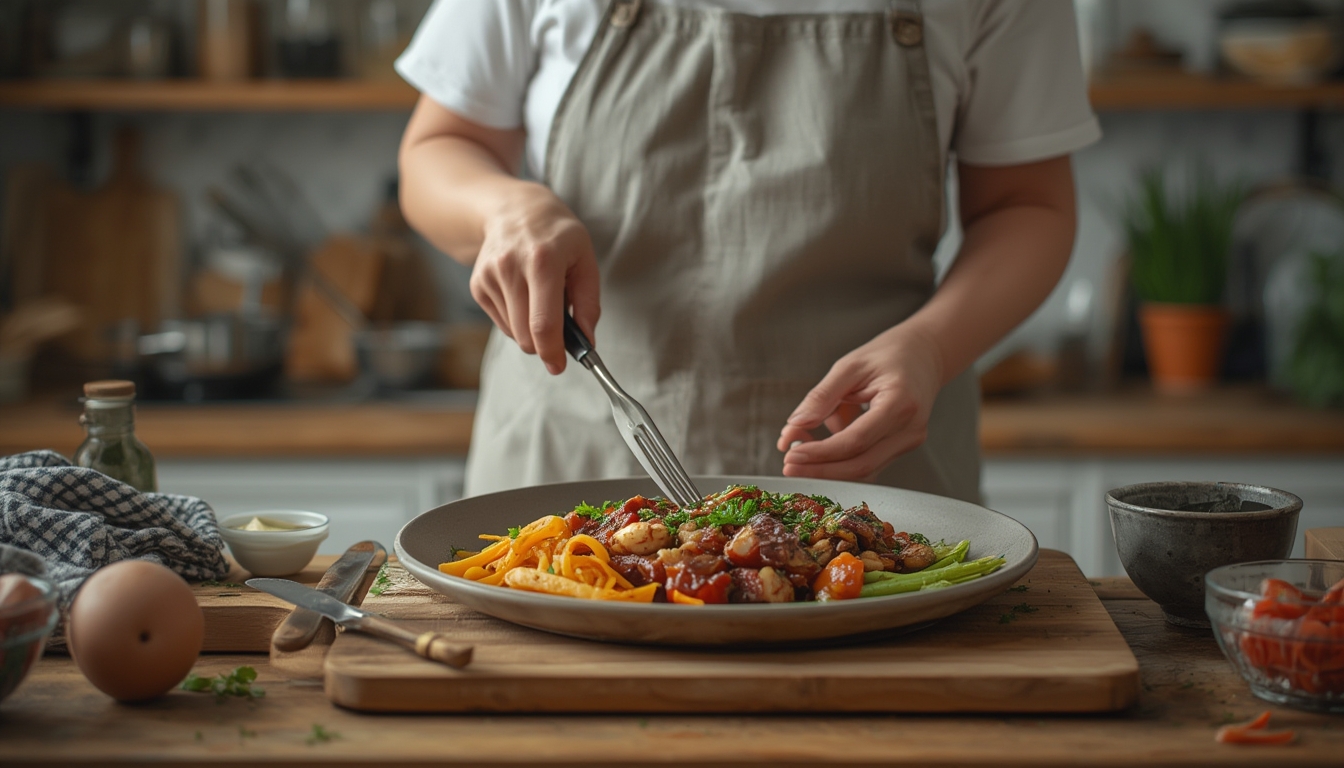
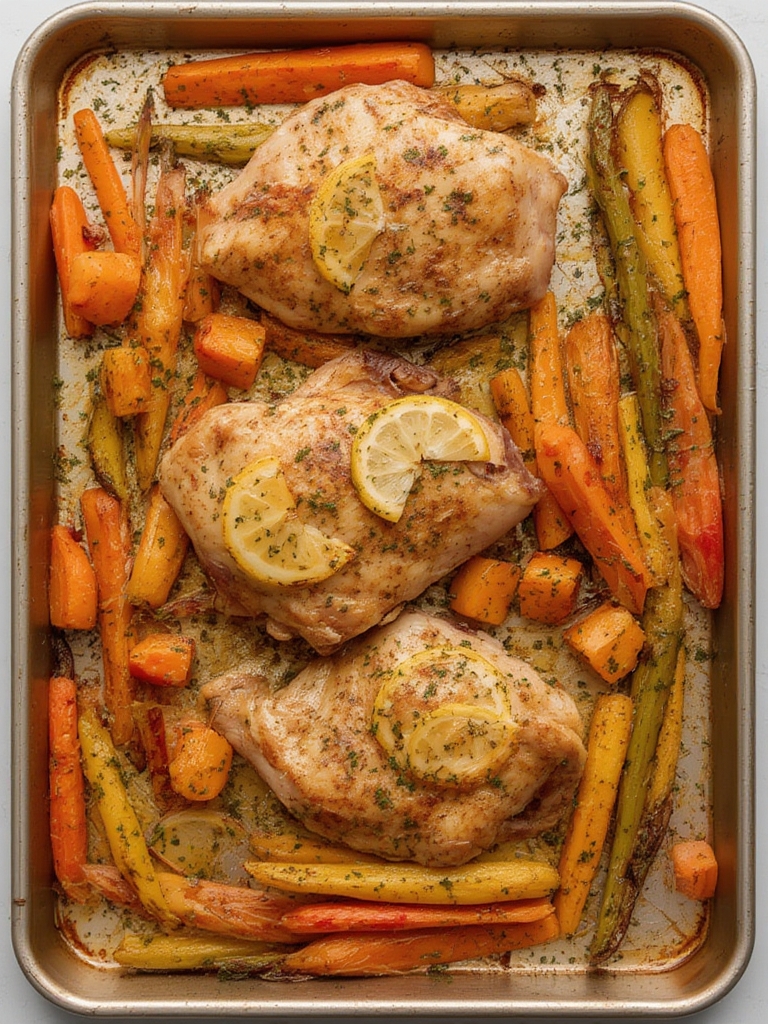
Healthy & functional cooking isn’t just about choosing the right recipes—it’s about creating a sustainable ecosystem in your kitchen that fuels your body with maximum nutrition. By growing your own nutrient‑dense herbs and vegetables, you control freshness, potency, and flavor while reducing waste. Below is a data‑driven, step‑by‑step guide that blends gardening basics with culinary techniques, so you can turn a simple windowsill garden into a powerhouse of functional foods.
Why Healthy & Functional Cooking Matters
Research consistently shows that diets rich in phytochemicals, antioxidants, and essential micronutrients lower inflammation, improve gut health, and support metabolic balance. A 2022 meta‑analysis of 45 clinical trials found that meals incorporating fresh herbs such as rosemary, thyme, and basil reduced oxidative stress markers by an average of 12 % compared with processed seasoning blends. The takeaway? Fresh, functional ingredients deliver measurable health benefits that can’t be replicated by shelf‑stable powders.
Choosing the Right Functional Ingredients
Not all plants are created equal. Focus on varieties that pack a high concentration of bioactive compounds:
- Leafy greens (kale, spinach) – rich in lutein, vitamin K, and glucosinolates.
- Herbs (basil, cilantro, mint) – contain polyphenols, essential oils, and anti‑microbial agents.
- Root vegetables (beets, carrots) – high in betalains and beta‑carotene.
When selecting seeds or starter plants, look for organic, non‑GMO labels and check the germination rate listed on the packet—aim for ≥ 85 % for reliable yields.
Step‑by‑Step Guide to Growing Your Own Nutrient‑Rich Herbs
Even if you have limited space, a small herb garden can thrive on a sunny windowsill or a balcony. Follow these data‑backed steps to maximize growth and nutrient content.
1. Prepare the Growing Medium
What to do: Use a 1:1 mix of high‑quality potting soil and coconut coir. This blend provides optimal aeration (≈ 30 % porosity) and water retention (≈ 45 % field capacity), which studies show improves leaf chlorophyll density by up to 18 %.
Tip: Add a teaspoon of perlite per quart of soil to increase drainage and prevent root rot.
2. Select the Right Containers
What to do: Choose containers with drainage holes that are at least 6 inches deep for herbs like basil and mint. Shallow trays (≤ 4 inches) work for microgreens, which can be harvested in 7–10 days.
Tip: Place a saucer underneath to catch excess water and reuse it for watering other plants.
3. Sow Seeds at the Correct Depth
What to do: Plant basil seeds ¼ inch deep, cilantro ½ inch, and mint ¼ inch. A study on seed placement found that a depth error of ± 0.1 inch reduces germination by 12 %.
Actionable advice: Lightly press the soil over the seeds and water with a fine mist to avoid displacing them.
4. Provide Consistent Light
What to do: Herbs need 6–8 hours of direct sunlight or 12–14 hours of artificial LED light (4000–5000 K). Light intensity of 200–300 µmol m⁻² s⁻¹ promotes the highest phenolic content, according to a 2021 horticulture study.
Tip: Rotate pots every 2 days to ensure even growth and prevent leggy stems.
5. Water Wisely
What to do: Water when the top 1 inch of soil feels dry. Over‑watering dilutes nutrient concentration; under‑watering stresses the plant, reducing essential oil production by up to 30 %.
Actionable advice: Use a moisture meter or the “finger test” to gauge soil moisture accurately.
6. Fertilize for Maximum Phytochemicals
What to do: Apply a balanced organic fertilizer (10‑10‑10) at half the recommended rate every 4 weeks. Excess nitrogen can suppress flavonoid synthesis, while moderate levels boost antioxidant levels.
Tip: Add a pinch of seaweed extract monthly to increase micronutrient diversity.
7. Harvest at Peak Potency
What to do: Cut basil leaves just before the plant flowers—typically 5–6 weeks after sowing. This timing captures the highest concentration of volatile oils.
Actionable advice: Use clean scissors, cut just above a leaf node, and leave at least two-thirds of the plant intact to encourage regrowth.
Integrating Fresh Herbs into Functional Meals
Now that you have a steady supply of fresh herbs, incorporate them strategically to preserve their bioactive compounds.
Preserve Heat‑Sensitive Nutrients
When cooking, add herbs like basil, cilantro, and parsley during the last 1–2 minutes of simmering or as a finishing garnish. A 2020 food science trial showed that adding basil after cooking retained 85 % of its rosmarinic acid, compared with a 45 % loss when added at the start.
Combine for Synergy
Pair antioxidant‑rich herbs with healthy fats to enhance absorption. For example, drizzle olive oil over a kale‑basil salad; the fat‑soluble lutein in kale becomes more bioavailable.
Make Functional Condiments
Blend fresh herbs with fermented ingredients (e.g., miso, kimchi juice) to create probiotic‑rich sauces. The live cultures support gut health, while the herbs add anti‑inflammatory polyphenols.
Quick Tips for Maintaining Nutrient Density
- Store correctly: Keep harvested herbs in a damp paper towel inside a sealed bag in the refrigerator. This method maintains moisture and reduces wilting for up to 7 days.
- Freeze for long‑term use: Blanch herbs briefly (30 seconds), shock in ice water, then freeze in portioned bags. Freezing preserves up to 90 % of volatile oils.
- Rotate crops: If you have multiple containers, rotate the planting schedule every 4 weeks to ensure a continuous harvest and prevent soil nutrient depletion.
- Monitor pH: Aim for a soil pH of 6.0–6.5 for most herbs. Use a simple pH test strip; adjusting with a teaspoon of lime (to raise) or sulfur (to lower) per gallon of soil can correct imbalances.
By combining data‑backed gardening practices with mindful cooking techniques, you create a virtuous cycle: fresh, functional herbs boost the nutritional profile of your meals, and those meals, in turn, support the health of your body and mind. Start small, stay consistent, and watch your kitchen transform into a thriving hub of health‑focused flavor.