
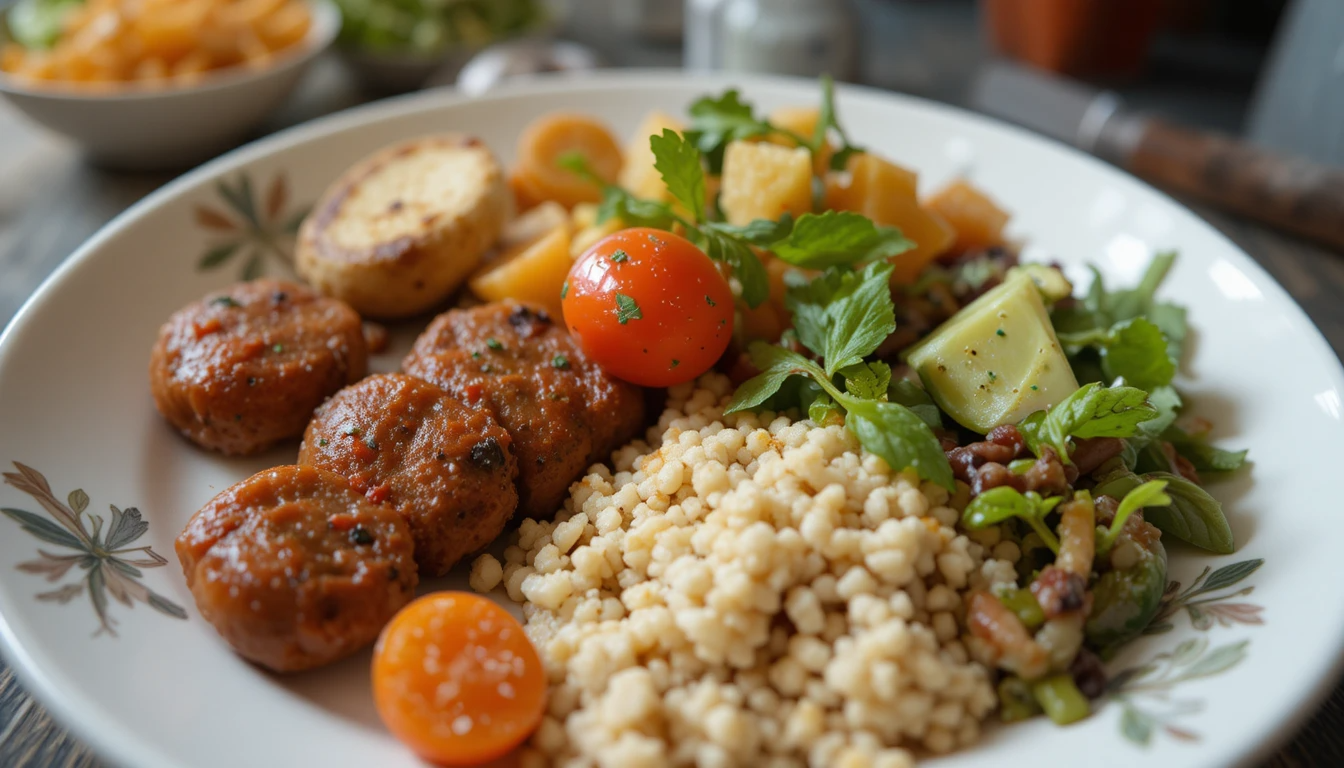
The sizzle of onions hitting a pan has become a radical act of quiet revolution. In homes around the world, something profound is happening that extends far beyond what’s on the dinner plate. Modern home cooking—with its emphasis on mindfulness, technology, sustainability, and global connection—is subtly but powerfully reshaping our mental health, family dynamics, environmental impact, and even local economies.
We often discuss cooking in terms of recipes and techniques, but what we’re really witnessing is a cultural reorientation toward slowness, intentionality, and reconnection in a fragmented, fast-paced world. The kitchen has transformed from a utilitarian space for meal production into what sociologists call a “third place“—not home, not work, but a crucial in-between space for creativity, restoration, and community building. This evolution represents one of the most hopeful cultural shifts of our time, with implications touching everything from childhood development to climate change mitigation.
The Psychological Alchemy of Modern Cooking
Cooking as Cognitive Therapy
Neuroscience has begun to document what experienced cooks have always sensed: the kitchen can be a powerful therapeutic environment. The act of cooking engages what psychologists call “flow state“—that elusive zone of complete absorption where time seems to stand still. Achieving flow requires:
- Clear goals (a completed dish)
- Immediate feedback (taste, texture, appearance)
- A balance between challenge and skill
Modern cooking apps and platforms have inadvertently created the perfect conditions for flow by providing structured creativity—enough guidance to prevent anxiety but enough flexibility for personal expression. This explains the rise of intricate baking projects during stressful periods; the precise measurements and procedures offer a comforting structure while the creative elements (decorating, flavor combinations) provide expressive outlet.
The Sensory Reset Button
In our increasingly digital lives, cooking provides what occupational therapists call a “sensory diet”—intentional input to balance our overwhelmed systems:
- Proprioceptive input from chopping, kneading, and stirring grounds us in our bodies
- Olfactory stimulation from herbs and spices can directly influence mood (lavender calms, citrus energizes)
- Tactile variety contrasts with the uniform smoothness of screens and keyboards
- Auditory feedback provides satisfying confirmation of progress (the sizzle means the pan is hot enough)
This sensory engagement creates what psychologists term “embodied cognition“—thinking through and with our bodies rather than just our minds. The modern appreciation for hand-mixing, kneading, and other “inefficient” techniques isn’t just nostalgia; it’s recognition that these processes feed our neurological need for tactile engagement.
Digital Detox Through Analog Processes
Paradoxically, the same technology that enables modern cooking also makes analog cooking processes more valuable. The ritual of cooking without screens—measuring by feel, timing by instinct, adjusting by taste—has become a coveted form of digital detox. Families report implementing “device-free dinners” that extend backward into the preparation time, creating uninterrupted connection from chopping board to dining table.
This isn’t anti-technology; it’s about intentional boundaries. Many modern cooks use apps for inspiration and instruction, then put devices away during execution. This balanced approach recognizes technology as a tool rather than a crutch—a distinction that’s increasingly important in all areas of life.
The New Family Architecture Around Food
Intergenerational Knowledge Exchange Reimagined
Traditional cooking knowledge typically flowed downward through generations. Modern cooking has created a fascinating multidirectional learning environment:
- Children teaching grandparents how to use cooking apps or source international ingredients online
- Parents learning from teenagers about food trends discovered through social media
- Remote family members co-cooking via video chat, sharing techniques across distances
- Digital archives preserving family recipes with video demonstrations from elders
This represents a significant shift in family dynamics. The kitchen has become a democratized learning space where expertise isn’t assumed based on age but discovered based on curiosity and experience. A 12-year-old mastering perfect pasta technique through YouTube tutorials can genuinely teach their parents, creating a healthy inversion of traditional teaching roles.
The Mini-Economy of the Family Kitchen
Modern families are increasingly approaching their kitchens as micro-economic training grounds:
- Meal planning as budget management with children participating in cost calculations
- Preservation projects teaching principles of investment (time/energy now for value later)
- Garden-to-table calculations comparing costs of growing versus buying
- Leftover transformation challenges that view food waste as financial loss
These practices do more than save money; they create financial literacy through edible mathematics. Children who participate in calculating the cost per serving of homemade versus restaurant meals, or who track savings from batch cooking, internalize economic principles more effectively than through abstract lessons.
The Evolution of “Family Recipes”
The very concept of a “family recipe” is transforming in modern cooking culture:
- Living documents stored in shared cloud folders with notes from multiple generations
- Adaptive versions that include vegan alternatives, gluten-free options, or spice-level variations
- Annotated histories noting which aunt perfected the crust, which cousin added the secret ingredient
- Global influences respectfully incorporated (adding gochujang to grandmother’s meatloaf glaze)
These evolving recipes become edible family narratives, telling stories not just of heritage but of adaptation, creativity, and inclusive growth. A recipe that now includes both the original instructions and three modern variations tells a richer family story than any static heirloom.
The Environmental Ripple Effect of Conscious Cooking
The Carbon Footprint of Conscious Choice
While individual dietary choices dominate environmental discussions, modern cooking creates impact through systemic changes in household operations:
- Strategic bulk purchasing reduces packaging waste and transportation emissions
- Energy-intelligent sequencing (using oven residual heat, matching pot size to burner)
- Water-conscious techniques (steaming instead of boiling, reusing cooking water)
- Local seasonality not as rigid ideology but as flexible guideline
The cumulative effect of millions of households making these small adjustments represents a significant untapped climate solution. If every household in the U.S. reduced their food-related energy use by 15% through smarter cooking practices, the emissions reduction would equal removing approximately 4 million cars from the road.
The Biodiversity in Your Pantry
Modern cooking’s embrace of heirloom varieties and forgotten ingredients creates market demand that supports agricultural diversity:
- Purchasing unusual grains (teff, einkorn, black rice) makes their cultivation economically viable for small farmers
- Exploring lesser-known vegetables (kohlrabi, sunchokes, romanesco) preserves genetic diversity
- Using whole animals or unusual cuts supports more sustainable livestock economies
- Choosing imperfect produce reduces waste at the farm level
This represents a powerful form of consumer-led conservation. When home cooks deliberately diversify their ingredient palette, they’re voting with their dollars for a more biologically resilient food system. The popularity of “ugly produce” subscription boxes demonstrates how cooking choices can redirect food that would otherwise be wasted.
The Circular Kitchen in Practice
Modern cooking principles are creating household-level circular economies:
- Compost systems that return nutrients to soil (even in apartments through worm bins or community composting)
- Water reclamation using vegetable washing water for plants or cleaning
- Heat recycling from cooking processes to warm homes in cooler months
- Packaging reuse turning containers into storage, propagation vessels, or craft materials
These practices transform the kitchen from an endpoint of consumption to a node in a regenerative cycle. The most advanced modern kitchens approach zero waste not as an austere sacrifice but as a creative challenge—what innovative dish can I make from these carrot tops, stale bread, and Parmesan rinds?
The Community Kitchen Without Walls
Hyperlocal Exchange Networks
While technology enables global connection, modern cooking is simultaneously strengthening local community bonds:
- Neighborhood tool libraries sharing specialty equipment (pasta makers, dehydrators, canning setups)
- Skill-swap networks where someone teaches knife skills in exchange for fermentation knowledge
- Surplus harvest exchanges through community boards or designated “share boxes”
- Multi-family cooking projects where households divide components of larger meals
These networks create resilient local micro-economies that operate parallel to commercial systems. During supply chain disruptions or extreme weather events, these informal networks often respond more quickly and specifically than larger systems.
Virtual Communities, Tangible Impact
Online cooking communities are translating digital connections into real-world action:
- Hashtag campaigns that raise money for food insecurity with each shared recipe
- Virtual cook-a-thons where participants sponsor each other for charitable causes
- Ingredient rescue networks connecting people with surplus garden produce to those who will use it
- Global recipe testing communities that provide feedback to home cooks developing their own recipes
These communities demonstrate that digital connection doesn’t have to be superficial. The shared vulnerability of posting “failure” photos, the collective problem-solving when techniques go wrong, and the genuine celebration of each other’s successes create bonds that often extend offline.
Intercultural Dialogue Through Shared Meals
Modern cooking facilitates what diplomats call “culinary diplomacy“:
- Virtual cultural exchange dinners where participants in different countries cook the same traditional dish and share experiences
- Recipe translation projects making traditional dishes from various cultures accessible with local substitutions
- Ingredient history discussions tracing the global journey of common staples (tomatoes from Andes to Italy to global)
- Colonialism-aware cooking that acknowledges difficult histories while celebrating cultural resilience
This approach moves beyond superficial “fusion” to respectful engagement with food cultures. Modern cooks increasingly research not just how to make a dish, but why it developed as it did, what historical forces shaped it, and how it’s evolving today.
The Future of Home Cooking: Trends Taking Shape
AI as Collaborative Kitchen Companion
Emerging AI applications are moving beyond recipe suggestions to become true creative partners:
- Flavor profile algorithms that suggest novel combinations based on chemical affinity
- Waste-prevention systems that track pantry inventory and suggest uses for aging ingredients
- Accessibility adaptations that modify techniques for different physical abilities
- Cultural context generators that provide background on dishes as you cook them
The most exciting developments treat AI not as an authority but as a collaborative tool—something that expands human creativity rather than replacing it. Imagine describing a flavor memory (“my grandmother’s apple cake but with tropical notes”) and receiving three viable recipe frameworks to develop.
The Bio-Integrated Kitchen
The boundary between kitchen and garden continues to dissolve:
- Countertop biospheres growing edible mushrooms from coffee grounds
- Desktop aquaponics systems producing herbs and microgreens with fish fertilizer
- Fermentation stations as living science experiments documenting microbial changes
- Climate-adaptive cooking spaces with movable elements for indoor/outdoor fluidity
These developments represent a re-naturalization of domestic space, bringing growing, processing, and cooking into closer proximity. The educational value for children (and adults) observing these cycles cannot be overstated.
The Justice-Aware Kitchen
Modern cooking increasingly considers ethical dimensions beyond environmental sustainability:
- Supply chain transparency tools tracing ingredients back to specific farms and workers
- Fair trade verification becoming as common as organic certification for certain staples
- Historical acknowledgment recognizing indigenous contributions to global cuisine
- Accessibility advocacy designing recipes and techniques for diverse physical and cognitive abilities
This represents cooking as ethical practice—recognizing that every food choice exists within systems of labor, trade, history, and access. The modern cook increasingly asks not just “is this delicious?” but “is this just?”
Your Kitchen as Change Agent
The quiet revolution of modern cooking doesn’t require professional equipment or extraordinary skill. It begins with small, intentional shifts in how you approach your kitchen:
- Cook one “connection meal” per week where the process matters as much as the product
- Research one ingredient’s journey from source to your kitchen
- Share one kitchen skill with someone in your community
- Document one family recipe with all its variations and stories
- Experiment with one waste-reduction technique until it becomes habit
These practices accumulate into what anthropologists call “cultural sedimentation“—layer upon layer of small changes that eventually transform the landscape. Your kitchen, however modest, is a site where you can practice the kind of world you want to live in: more connected, more mindful, more creative, more just.
Conclusion: The Humble Radicalism of Daily Meals
At its heart, the modern cooking revolution represents a reclaiming of agency in a world where so many forces seem beyond individual influence. In choosing to cook—really cook, with attention and intention—we exercise control over what nourishes our bodies, how we spend our time, what skills we develop, and what values we demonstrate to those around us.
This revolution is quiet because it happens in a million private kitchens, without fanfare or manifestos. It’s radical because it subtly undermines the systems that would have us believe cooking is drudgery to be outsourced, eating is fueling to be optimized, and food is commodity to be consumed without thought.
The sizzle in your pan tonight connects you to every human who has ever transformed raw ingredients into nourishment. The choices you make in your kitchen ripple outward in ways you may never fully trace. In a fragmented world, the modern kitchen has become an unexpected hearth around which we’re rediscovering connection—to our food, our families, our communities, and our better selves.
What will you cook into existence?
Continue the conversation: Share how cooking has changed more than just your meals using #QuietCookingRevolution and join our community exploring the deeper dimensions of modern home cooking.