
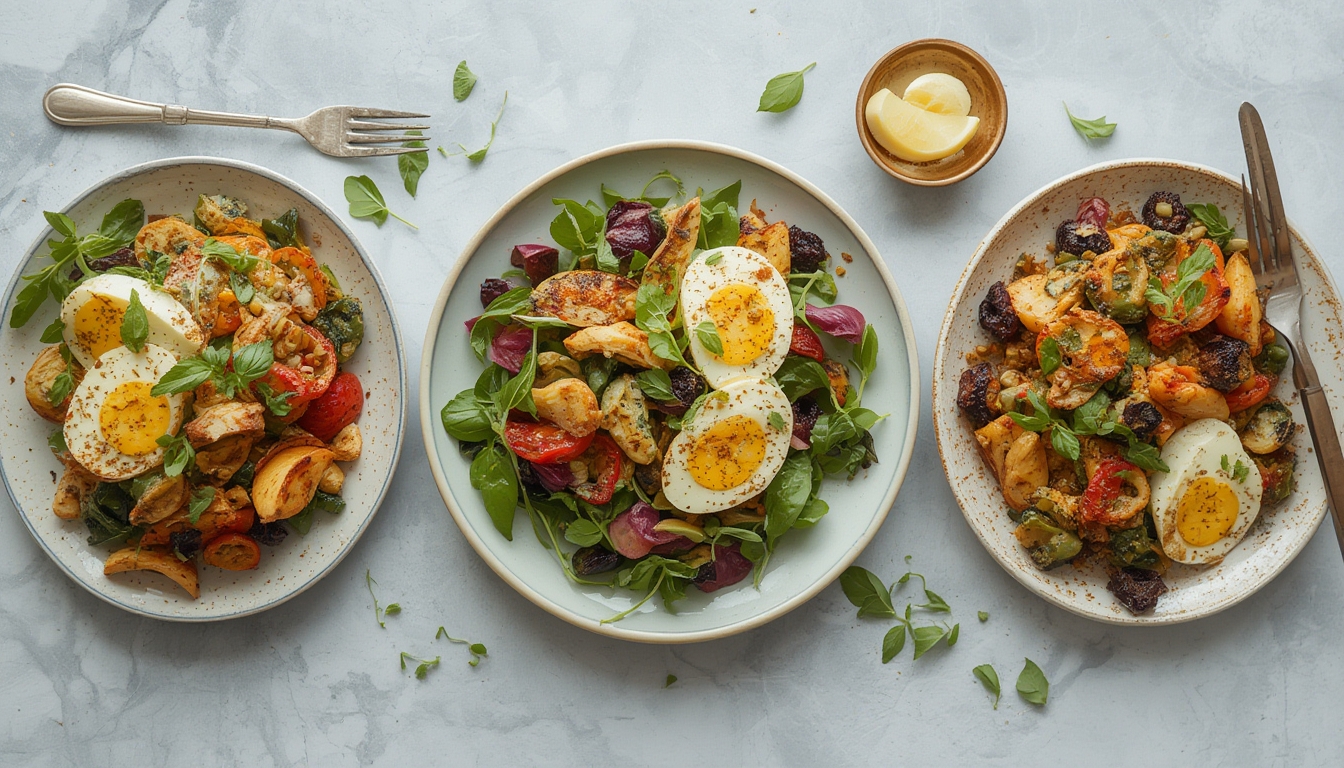
Embracing a plant‑forward and flexitarian lifestyle means putting vegetables, legumes, whole grains, and nuts at the center of every meal while still allowing occasional animal‑based proteins. This approach not only supports personal health but also reduces the environmental footprint of your diet. Below is a step‑by‑step guide to creating vibrant, nutrient‑dense plates that are easy to prepare, adaptable to any skill level, and perfect for busy weeknight dinners or relaxed weekend brunches.
Step 1: Choose Seasonal, Nutrient‑Rich Produce
Seasonal vegetables are at their peak flavor, texture, and nutritional value. Visit your local farmer’s market or grocery store’s produce aisle and look for the following:
- Leafy greens – kale, spinach, arugula, and Swiss chard are packed with vitamins A, C, and K.
- Root vegetables – carrots, beets, and sweet potatoes provide fiber and beta‑carotene.
- Cruciferous veggies – broccoli, cauliflower, and Brussels sprouts deliver sulforaphane, a powerful antioxidant.
- Colorful peppers – red, orange, and yellow bell peppers add vitamin C and a sweet crunch.
Tip: When selecting produce, choose items that are firm, vibrant, and free of bruises. Store leafy greens in a paper towel‑lined container to keep them crisp for up to a week.
Step 2: Build a Balanced Plate Framework
Use the “flexi‑plate” model to ensure each meal contains a harmonious mix of macronutrients and micronutrients:
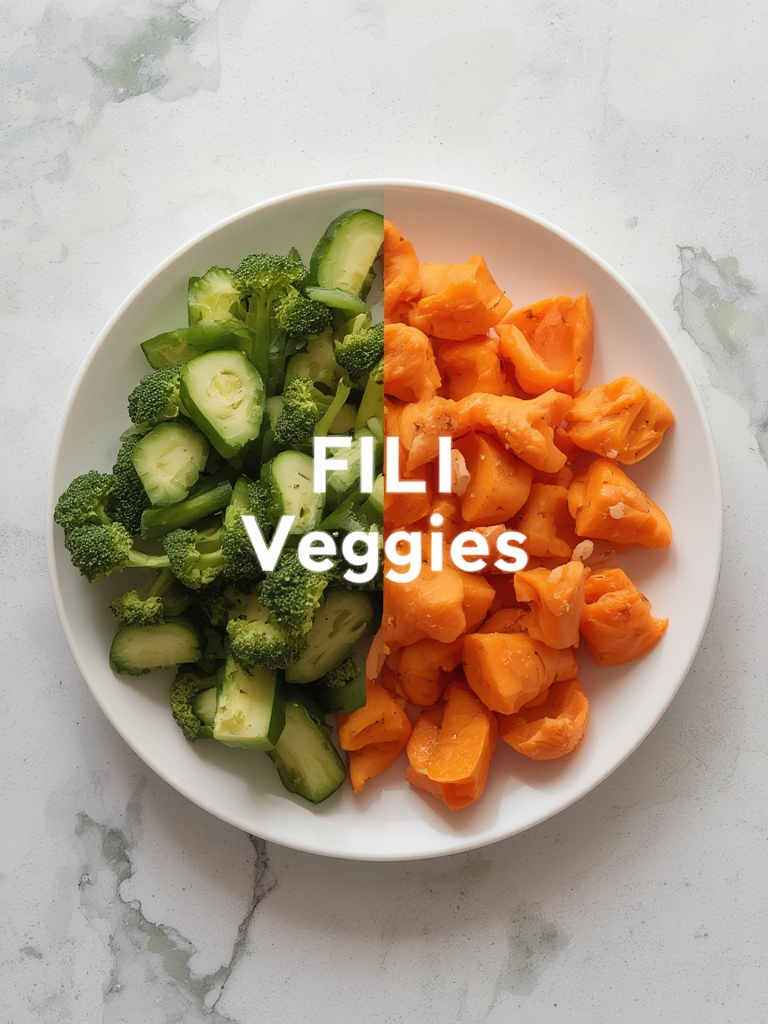
- Half the plate – Vegetables: Aim for a variety of colors and textures. Roast, steam, sauté, or eat raw to keep meals interesting.
- One quarter – Whole Grains or Starches: Options include quinoa, brown rice, farro, or sweet potatoes. These provide sustained energy and fiber.
- One quarter – Protein: Choose plant‑based proteins like beans, lentils, tofu, tempeh, or a modest portion (3‑4 oz) of fish, poultry, or eggs for flexibility.
Actionable advice: Pre‑portion grains and proteins in the fridge after cooking. This makes assembly in the morning or after work a quick, stress‑free process.
Why the ½‑¼‑¼ Ratio Works
Vegetables supply essential vitamins, minerals, and phytonutrients. Whole grains stabilize blood sugar and support gut health, while protein aids muscle repair and satiety. By keeping the ratio consistent, you naturally avoid overeating and maintain a balanced nutrient intake.
Step 3: Master Simple Cooking Techniques
Even a beginner can master a few core techniques that transform ordinary ingredients into restaurant‑quality dishes.
Roasting for Depth of Flavor
- Preheat the oven to 425°F (220°C).
- Toss chopped vegetables with 1‑2 Tbsp olive oil, a pinch of sea salt, and your favorite herbs (rosemary, thyme, or smoked paprika).
- Spread in a single layer on a baking sheet and roast 20‑30 minutes, stirring halfway through.
- Result: Caramelized edges, intensified sweetness, and a tender interior.
Sautéing for Speed
- Heat a skillet over medium‑high heat and add 1 Tbsp oil.
- Add aromatics first—minced garlic, ginger, or shallots—and cook 30 seconds.
- Introduce vegetables, stirring constantly for 5‑7 minutes until just tender.
- Finish with a splash of citrus juice or a dash of soy sauce for brightness.
Steaming for Nutrient Retention
- Fill a pot with an inch of water, bring to a gentle boil, and place a steamer basket on top.
- Add vegetables in a single layer, cover, and steam 4‑8 minutes depending on size.
- Season with a pinch of sea salt and a drizzle of sesame oil after cooking.
Step 4: Incorporate Plant‑Based Protein Creatively
Beans, lentils, tofu, and tempeh are versatile and affordable. Here are three quick methods to make them shine:
Seasoned Lentil Salad
- Rinse 1 cup green or brown lentils; simmer in water with a bay leaf for 20‑25 minutes until tender.
- Drain and cool; toss with diced cucumber, cherry tomatoes, chopped parsley, and a vinaigrette of lemon juice, olive oil, and Dijon mustard.
- Serve over mixed greens or as a side to grilled fish.
Marinated Tofu Cubes
- Press a block of firm tofu for 15 minutes to remove excess moisture.
- Cut into 1‑inch cubes and marinate in soy sauce, maple syrup, and minced garlic for at least 30 minutes.
- Sauté in a hot pan until golden on all sides; add to stir‑fries or Buddha bowls.
One‑Pot Chickpea Curry
- Sauté onion, garlic, and ginger in coconut oil until fragrant.
- Add 1 tsp curry powder, ½ tsp cumin, and ½ tsp turmeric; toast briefly.
- Stir in a can of drained chickpeas, diced tomatoes, and coconut milk; simmer 10‑15 minutes.
- Finish with fresh cilantro and a squeeze of lime; serve over quinoa.
Step 5: Add Flavor Boosters Without Extra Calories
Small additions can elevate a plate from bland to unforgettable.
- Citrus Zest: Grate lemon or orange zest over roasted veggies for a burst of aroma.
- Fresh Herbs: Basil, cilantro, mint, and dill add layers of flavor; sprinkle just before serving.
- Umami Boosters: A dash of tamari, miso paste, or nutritional yeast deepens savory notes.
- Spice Mixes: Keep a pantry of smoked paprika, cumin, and chili flakes for quick heat.
Actionable tip: Prepare a “flavor jar” with dried herbs and spices in a small container. A spoonful can instantly transform a simple sauté.
Step 6: Plan and Prep for Consistency
Consistency is the secret to long‑term success. Spend a few hours each weekend to set yourself up for the week ahead.
Batch‑Cook Grains and Legumes
- Cook a large pot of quinoa, brown rice, or farro; store in airtight containers in the fridge for up to five days.
- Prepare a batch of cooked beans or lentils; freeze portions for later use.
Pre‑Chop Vegetables
- Slice carrots, bell peppers, and broccoli florets; keep them in water‑filled containers to maintain crispness.
- Store leafy greens in a dry, perforated bag with a paper towel to absorb excess moisture.
Create Ready‑to‑Assemble Meal Kits
- Combine a portion of grains, a protein source, and a mix of pre‑chopped veggies in a single container.
- Add a small compartment with a pre‑measured sauce or dressing.
- When you’re ready to eat, heat the kit in the microwave or skillet and enjoy a balanced plate in minutes.
Step 7: Sample Plant‑Forward & Flexitarian Plate Ideas
Below are three ready‑to‑make examples that illustrate the principles above.
Roasted Veggie & Quinoa Buddha Bowl
- Base: 1 cup cooked quinoa.
- Veggies: Roasted sweet potato cubes, Brussels sprouts, and red onion.
- Protein: Marinated tofu cubes, lightly pan‑fried.
- Finish: Drizzle with tahini‑lemon dressing and sprinkle with toasted pumpkin seeds.
Flexitarian Mediterranean Plate
- Base: Mixed greens with sliced cucumber and cherry tomatoes.
- Grain: ½ cup cooked farro.
- Protein: 3 oz grilled chicken breast, sliced thin.
- Extras: A handful of olives, crumbled feta, and a spoonful of hummus.
- Dressing: Olive oil, red‑wine vinegar, oregano, and a pinch of sea salt.
Spicy Chickpea & Veggie Stir‑Fry
- Veggies: Sautéed bell peppers, snap peas, and carrots.
- Protein: One‑pot chickpea curry (see Step 4).
- Grain: Serve over a bed of brown rice.
- Garnish: Fresh cilantro, lime wedges, and a sprinkle of chili flakes.
Step 8: Listen to Your Body and Adjust
Flexitarian eating is about flexibility. Pay attention to how different foods make you feel:
- If a meal leaves you sluggish, consider reducing starchy carbs and adding more leafy greens.
- If you’re hungry soon after eating, increase the protein portion or add a healthy fat like avocado or nuts.
- Track your energy levels, digestion, and mood for a week to identify patterns and fine‑tune your plate composition.
Small adjustments based on personal feedback ensure the diet remains enjoyable and sustainable.
Final Thoughts
Transitioning to a plant‑forward and flexitarian approach doesn’t require drastic changes—just a series of manageable steps that become habits over time. By selecting seasonal produce, mastering a few core cooking techniques, and preparing components in advance, you can assemble colorful, nutrient‑dense plates with minimal effort. Remember, the goal is balance, variety, and pleasure. With the guidance above, you’re equipped to create delicious meals that nourish your body, respect the planet, and keep your taste buds excited.