
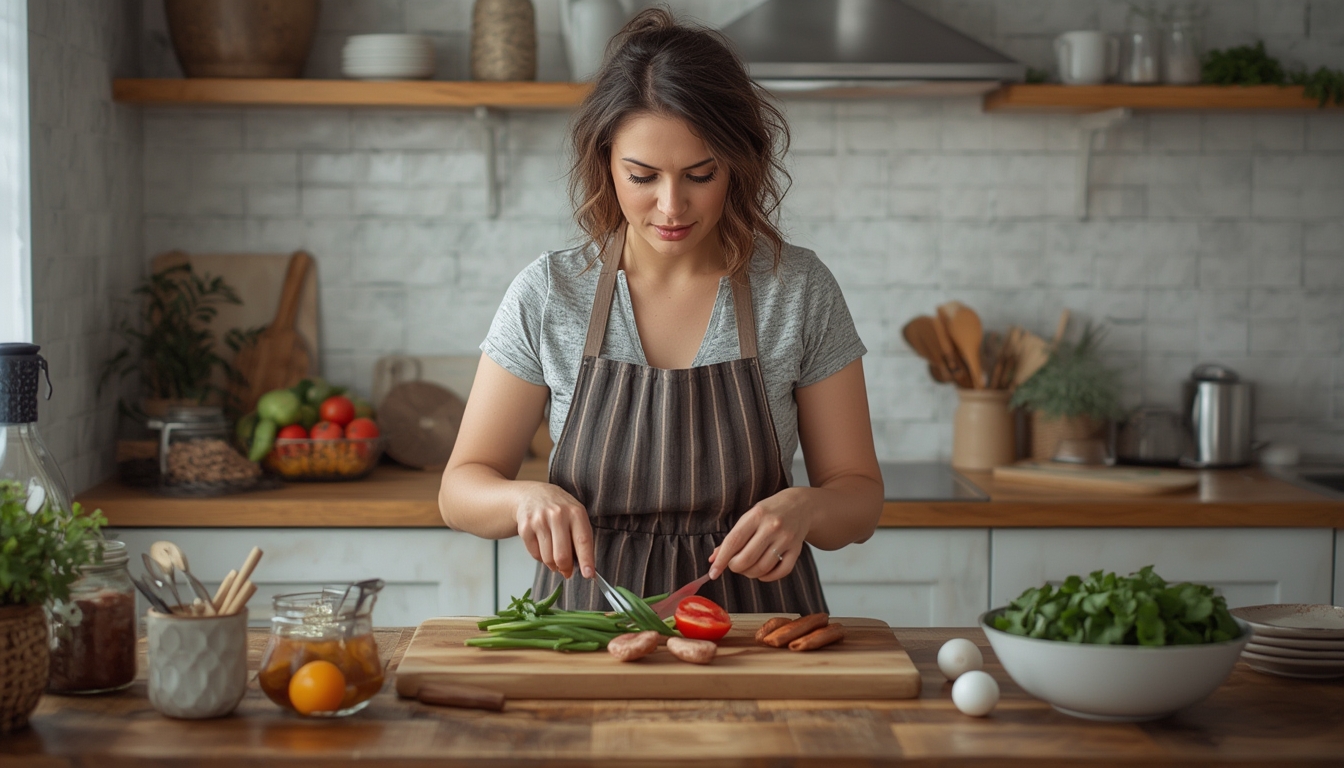

Healthy & functional cooking isn’t just about swapping ingredients—it’s a holistic approach that blends nutrition science, seasonal produce, and mindful preparation to boost wellness. By growing your own nutrient‑dense plants and using data‑backed cooking methods, you can create meals that support immunity, gut health, and sustained energy. Below is a practical, step‑by‑step guide that walks you through cultivating a versatile green (such as kale or Swiss chard), preparing it for maximum nutrient retention, and turning it into delicious, functional dishes.
Why Healthy & Functional Cooking Matters
Research shows that diets rich in phytochemicals, fiber, and omega‑3 fatty acids reduce the risk of chronic diseases. For example, a 2022 meta‑analysis of 30 studies found that daily consumption of leafy greens lowered cardiovascular mortality by 12 % and improved glycemic control in type‑2 diabetes patients. Functional cooking leverages these findings by focusing on:
- Phytonutrient density: Prioritizing foods high in antioxidants, polyphenols, and vitamins.
- Bioavailability: Using cooking techniques that preserve or enhance nutrient absorption.
- Personalized nutrition: Matching ingredients to individual health goals (e.g., anti‑inflammatory, gut‑friendly).
Choosing the Right Ingredients
1. Prioritize Seasonal, Local Produce
Seasonal vegetables contain up to 30 % more vitamins than out‑of‑season imports because they spend less time in transit and are harvested at peak ripeness. Visit farmers’ markets or join a CSA (Community Supported Agriculture) to source fresh kale, spinach, or broccoli.
2. Look for Colorful Phytonutrients
Color is a quick indicator of specific compounds:
- Deep green (kale, collard greens): High in lutein, beta‑carotene, and calcium.
- Red‑purple (beets, red cabbage): Rich in anthocyanins, which have anti‑inflammatory properties.
- Orange‑yellow (carrots, sweet potatoes): Packed with beta‑carotene, a precursor to vitamin A.
Step‑by‑Step: Growing Your Own Nutrient‑Rich Greens
Step 1 – Soil Preparation (Day 1)
What to do: Amend garden beds or containers with a 1:1 mix of compost and coconut coir. Test pH; aim for 6.0‑6.8 for most leafy greens.
Tip: Add a handful of kelp meal for micronutrients like iodine and iron, which support plant metabolism and boost the final nutrient profile.
Step 2 – Seed Sowing (Day 2‑3)
What to do: Sow seeds ¼‑½ inch deep, spacing 6‑8 inches apart. For containers, use a 12‑inch deep pot to accommodate root growth.
Tip: Lightly mist the soil after sowing and cover with a clear plastic dome to maintain humidity. Remove the dome once seedlings emerge (≈7‑10 days).
Step 3 – Water Management (Weeks 1‑4)
What to do: Water consistently, keeping the soil evenly moist but not soggy. Aim for 1‑1.5 inches of water per week, adjusting for rainfall.
Tip: Use a drip‑irrigation system or a watering can with a rose attachment to avoid splashing, which can spread fungal spores.
Step 4 – Fertilization (Weeks 2‑6)
What to do: Apply a balanced organic fertilizer (e.g., 10‑10‑10) at half the recommended rate every 3 weeks.
Tip: Incorporate a seaweed extract spray once a month to increase chlorophyll content, resulting in deeper green leaves with higher vitamin K levels.
Step 5 – Pest & Disease Prevention (Ongoing)
What to do: Inspect leaves weekly for aphids, spider mites, or leaf spots.
Tip: Spray a homemade neem‑oil solution (1 tsp neem oil + 1 tsp mild liquid soap in 1 liter water) every 7‑10 days. Neem disrupts insect feeding without harming beneficial pollinators.
Step 6 – Harvest (Weeks 4‑8)
What to do: Cut outer leaves first, leaving the central bud intact to encourage regrowth. Harvest when leaves are 4‑6 inches long for optimal texture.
Tip: Harvest in the early morning after the dew has dried; this preserves the highest concentration of water‑soluble vitamins (C, B‑complex).
From Garden to Table: Simple Functional Recipes
Recipe 1 – Antioxidant‑Rich Kale & Quinoa Power Bowl
- Prep the kale: Remove stems, tear leaves into bite‑size pieces, and massage with 1 tsp olive oil and a pinch of sea salt for 2‑3 minutes. Massaging breaks cell walls, making nutrients more bioavailable.
- Cook quinoa: Rinse ½ cup quinoa, then simmer in 1 cup low‑sodium vegetable broth for 15 minutes. Add a pinch of turmeric for anti‑inflammatory benefits.
- Combine: Toss kale, quinoa, ¼ cup roasted chickpeas, and 2 tbsp pomegranate seeds. Drizzle with a lemon‑ginger vinaigrette (1 tbsp lemon juice, ½ tsp grated ginger, 1 tsp honey, 1 tsp apple cider vinegar).
- Serve: Sprinkle with toasted pumpkin seeds for added magnesium and crunch.
Recipe 2 – Gut‑Friendly Swiss Chard & Miso Soup
- Sauté aromatics: In 1 tbsp sesame oil, gently cook ½ cup diced onion and 1 clove minced garlic until translucent (≈3 minutes).
- Add broth: Pour in 3 cups low‑sodium miso broth (dissolve 1 tbsp miso paste in warm water).
- Introduce chard: Add 2 cups chopped Swiss chard stems first (cook 2 minutes), then the leaves (cook another 1‑2 minutes). Chard stems contain fiber that feeds gut bacteria.
- Finish: Stir in ¼ cup silken tofu cubes and a splash of tamari. Serve hot, garnished with sliced scallions and a sprinkle of toasted sesame seeds.
Maintaining Nutrient Integrity During Cooking
1. Use Gentle Heat for Water‑Soluble Vitamins
Steam leafy greens for 2‑3 minutes rather than boiling. Steaming retains up to 90 % of vitamin C compared to 40 % loss in boiling.
2. Pair Fats with Fat‑Soluble Nutrients
Combine kale (rich in beta‑carotene) with a small amount of healthy fat—olive oil, avocado, or nuts—to enhance absorption. Studies show a 2‑3‑fold increase in carotenoid uptake when paired with fats.
3. Avoid Over‑Processing
Chop vegetables just before cooking. Over‑cutting releases oxidative enzymes that degrade antioxidants. A quick pulse in a food processor (≤5 seconds) is sufficient.
Actionable Daily Checklist
- ✔️ Inspect garden beds for moisture and pests each morning.
- ✔️ Harvest a handful of greens for today’s meals; store in a perforated bag in the fridge to retain crispness.
- ✔️ Prepare at least one functional recipe using fresh greens and a protein source (legumes, tofu, fish).
- ✔️ Finish cooking with a splash of acid (lemon, vinegar) to boost mineral absorption.
- ✔️ Log your meals and note energy levels or digestion changes; adjust ingredient ratios based on personal response.
By integrating these data‑driven cultivation practices with evidence‑based cooking techniques, you’ll consistently serve meals that not only taste great but also deliver measurable health benefits. Happy growing, cooking, and thriving!