

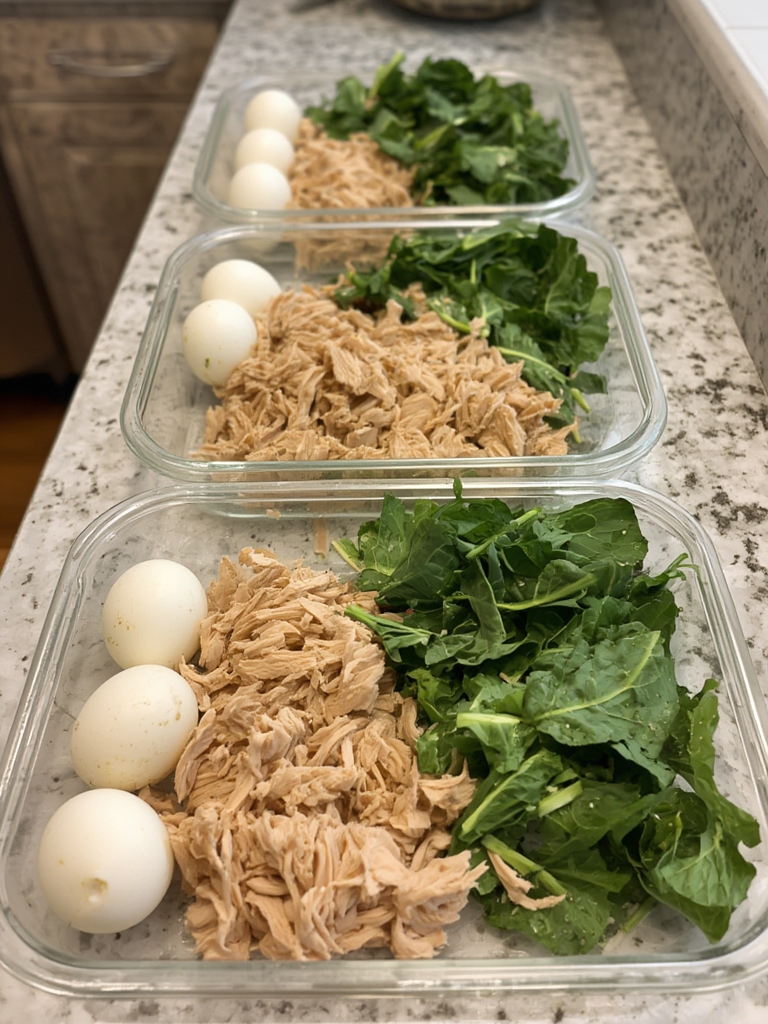
Embracing a plant‑forward and flexitarian lifestyle doesn’t just start on the plate—it begins in the garden or even on a sunny windowsill. Growing your own vegetables, herbs, and legumes gives you fresh, nutrient‑dense ingredients while reducing food miles and waste. Below is a step‑by‑step guide to cultivating the key crops that make up vibrant, flexible meals, complete with practical tips to keep your garden thriving year‑round.
1. Planning Your Plant‑Forward Garden
Assess Your Space and Light
Measure the area you have—whether it’s a backyard plot, raised beds, or a balcony railing. Most vegetables need at least 6 hours of direct sunlight daily. Use a simple sun‑tracking app or a notebook to record which spots receive full sun, partial shade, or full shade throughout the day.
Choose Versatile Crops
Focus on crops that can be used in a variety of dishes: leafy greens (spinach, kale, arugula), beans (edamame, chickpeas), root vegetables (carrots, beets), and herbs (basil, cilantro, mint). These plants are adaptable to different cuisines and can be swapped in and out of meals without compromising flavor.
Map Out Crop Rotation
To maintain soil health, plan a three‑year rotation: legumes → leafy greens → root vegetables. This sequence replenishes nitrogen, reduces disease buildup, and keeps yields high. Sketch a simple grid and label each section with the intended crop for each year.
2. Soil Preparation and Nutrient Management
Test and Amend the Soil
Use a home soil test kit to check pH (ideal 6.0–6.8 for most vegetables) and nutrient levels. If the pH is low, add garden lime; if it’s high, incorporate elemental sulfur. Amend with well‑rotted compost at a rate of 2–3 inches to improve structure and microbial activity.
Incorporate Organic Fertilizers
For a quick nutrient boost, sprinkle a balanced organic fertilizer (e.g., 10‑10‑10) around the planting zone. Follow the label’s recommended rate—usually 1 cup per 10 square feet. Water in thoroughly to activate the nutrients.
Mulch for Moisture Retention
Apply a 2‑inch layer of straw, shredded leaves, or wood chips around your plants. Mulch suppresses weeds, regulates soil temperature, and conserves water—critical for busy flexitarians who may not have time for daily watering.
3. Planting Techniques for Key Crops
Leafy Greens: Direct Sow or Transplant
Scatter seeds thinly (¼‑½ inch deep) in rows spaced 12 inches apart. Lightly cover with soil and water gently. For faster harvests, start seedlings indoors 4 weeks before the last frost and transplant when they have 2–3 true leaves. Space transplants 6–8 inches apart to allow ample airflow.
Beans: Support and Spacing
Plant bean seeds 1 inch deep, spacing them 3 inches apart in rows 24 inches apart. Install a trellis or sturdy stakes at planting time; beans will climb as they grow, keeping pods clean and reducing disease. Water at the base to avoid wetting foliage, which can cause mildew.
Root Vegetables: Deep Soil Preparation
Loosen soil to a depth of 12 inches to allow roots to expand. Plant carrot or beet seeds ½ inch deep, thinning seedlings to 2–3 inches apart once they emerge. Keep the soil consistently moist; uneven watering can cause cracked or misshapen roots.
Herbs: Container or Ground
Herbs thrive in containers with drainage holes. Fill pots with a 1:1 mix of potting soil and compost. Plant basil, cilantro, and mint at the same depth they were in their seed trays. Water when the top inch of soil feels dry, and pinch back growth to encourage bushier plants.
4. Ongoing Care and Harvest Strategies
Watering Best Practices
Water early in the morning to reduce evaporation. Use a drip irrigation system or soaker hose for steady, deep watering—aim for 1 inch of water per week, adjusted for rainfall. A moisture meter can help you avoid over‑watering, which leads to root rot.
Pest Management Without Chemicals
Introduce beneficial insects like ladybugs and lacewings by planting nectar‑rich flowers (e.g., marigold, nasturtium). Hand‑pick larger pests such as caterpillars. For aphids, spray a mild solution of water and a few drops of dish soap, covering foliage thoroughly.
Pruning and Staking
Regularly remove yellowed leaves from leafy greens to improve air circulation. For beans, tie vines to the trellis as they grow to prevent breakage. Harvest herbs by snipping just above a leaf node; this encourages new growth and prevents the plant from becoming woody.
Harvest Timing for Maximum Flavor
Leafy greens are best harvested when they’re 3–4 inches tall; cut the outer leaves first to allow the center to keep producing. Beans should be picked when pods are firm and about 4–6 inches long—too mature and they become tough. Carrots reach peak sweetness when they’re ½–¾ inch in diameter; pull gently to avoid breaking the taproot.
5. Storing and Using Your Fresh Produce
Short‑Term Storage
Wrap leafy greens in a damp paper towel and place them in a perforated bag in the refrigerator’s crisper drawer. This keeps them crisp for up to a week. Beans can be stored in a breathable container in the fridge and used within 5 days.
Long‑Term Preservation
Blanch and freeze beans or carrots for up to 12 months. For herbs, chop and freeze in ice‑cube trays with a splash of olive oil—perfect for dropping into sauces or soups. Alternatively, dry herbs in a low‑heat oven (150°F) and store in airtight jars.
Incorporating Into Flexitarian Meals
Build a plate with a base of leafy greens, add a protein source (tofu, tempeh, or a modest portion of beans), and finish with roasted root vegetables and fresh herbs. This structure follows the plant‑forward principle while allowing flexibility for occasional animal‑based proteins.
By following these straightforward steps—from planning and soil prep to harvest and storage—you’ll have a reliable supply of fresh, nutritious ingredients that make plant‑forward and flexitarian meals both easy and exciting. Happy gardening and even happier cooking!