
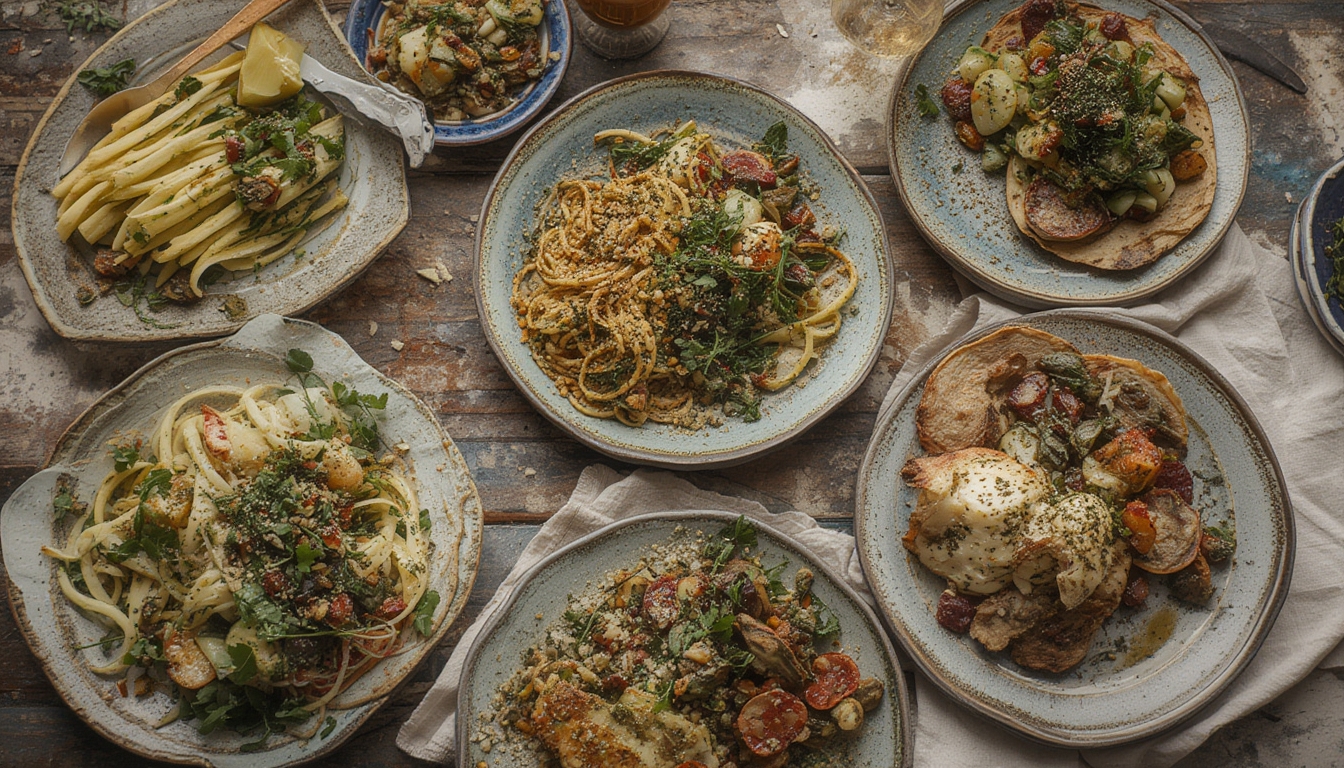
Embracing a plant‑forward and flexitarian lifestyle means filling your plate with vibrant, nutrient‑dense vegetables, legumes, and whole grains while still allowing occasional animal‑based proteins. The key to success is not just choosing the right recipes, but also growing the fresh ingredients yourself. Below is a data‑driven, step‑by‑step guide to cultivating a versatile garden that fuels delicious plant‑forward meals all year round.
1. Choose High‑Yield, Nutrient‑Rich Crops
Research shows that leafy greens, beans, and root vegetables provide the best balance of protein, fiber, and micronutrients for flexitarian diets. Focus on these staples:
- Kale & Swiss chard – rich in vitamins A, C, K, and calcium.
- Snap peas & edamame – excellent plant protein sources.
- Sweet potatoes & carrots – high in beta‑carotene and complex carbs.
- Quinoa & amaranth – gluten‑free grains with complete amino acid profiles.
2. Prepare the Soil for Optimal Growth
2.1 Test and Amend Soil pH
Most of the crops above thrive in a pH range of 6.0–7.0. Use a simple soil test kit (available at garden centers) and adjust as follows:
- If pH is below 6.0, incorporate lime at 1 lb per 100 sq ft.
- If pH is above 7.0, add sulfur at 0.5 lb per 100 sq ft.
2.2 Boost Soil Organic Matter
Mix in 2–3 inches of compost or well‑rotted manure. This improves water retention, aeration, and nutrient availability—critical for fast‑growing greens like kale.
3. Seed Selection and Sowing
3.1 Timing
Use local climate data (e.g., USDA Plant Hardiness Zones) to determine planting windows. A general rule:
- Cool‑season crops (kale, peas) – sow 4–6 weeks before the last frost.
- Warm‑season crops (sweet potatoes, quinoa) – plant after soil reaches 65 °F.
3.2 Direct Sowing vs. Transplanting
For quick turnover, direct‑sow peas and carrots ½ inch deep. Transplant seedlings of kale and quinoa when they have 2–3 true leaves to avoid root disturbance.
4. Watering Strategies for Consistent Yields
4.1 Drip Irrigation
Data from the University of California shows drip systems reduce water use by up to 30 % compared with overhead sprinklers. Install a low‑flow drip line with emitters spaced 12 inches apart.
4.2 Mulching
Apply a 2‑inch layer of straw or shredded leaves around each plant. Mulch conserves moisture, suppresses weeds, and moderates soil temperature—especially important for root crops like sweet potatoes.
5. Nutrient Management
5.1 Balanced Fertilizer Application
Follow a 10‑10‑10 (N‑P‑K) fertilizer schedule:
- Leafy greens: ½ cup per 10 sq ft at planting, repeat after 4 weeks.
- Legumes: Apply only once at planting (they fix nitrogen).
- Root vegetables: Add a second dose 6 weeks after planting.
5.2 Foliar Feeding
Every 3 weeks, spray a dilute sea‑weed extract (1 tsp per gallon of water) on kale and chard to boost micronutrient content and improve disease resistance.
6. Integrated Pest Management (IPM)
6.1 Monitoring
Set up yellow sticky traps around the garden perimeter. Check weekly for aphids, whiteflies, and spider mites—common pests that can reduce leaf quality.
6.2 Biological Controls
Introduce beneficial insects such as ladybugs and lacewings. A 1‑pint container per 100 sq ft can keep pest populations under control without chemicals.
6.3 Organic Remedies
For minor infestations, spray a neem‑oil solution (2 tbsp per gallon of water) early in the morning. This disrupts insect feeding while being safe for pollinators.
7. Harvesting for Maximum Flavor and Nutrition
7.1 Leafy Greens
Begin cutting kale leaves when they reach 6–8 inches tall. Use the “cut‑and‑come‑again” method: harvest the outer leaves, allowing the center to keep growing. This extends the harvest window by 6–8 weeks.
7.2 Peas and Beans
Pick snap peas when pods are 3–4 inches long and still crisp. Frequent harvesting encourages the plant to produce more pods.
7.3 Root Vegetables
Sweet potatoes are ready 90–120 days after planting. Gently dig around the plant with a garden fork, being careful not to damage the tubers.
8. From Garden to Plate: Simple Plant‑Forward Recipes
8.1 Kale‑Quinoa Power Bowl
- Cook 1 cup quinoa in vegetable broth (2 cups) for added flavor.
- Sauté chopped kale with garlic and a splash of olive oil until wilted.
- Mix quinoa, kale, roasted sweet‑potato cubes, and a handful of edamame.
- Dress with lemon‑tahini sauce and sprinkle toasted pumpkin seeds.
8.2 Snap Pea & Carrot Stir‑Fry
- Heat a wok with 1 tbsp sesame oil.
- Add sliced carrots; stir‑fry 3 minutes.
- Add snap peas, a pinch of ginger, and a splash of low‑sodium soy sauce.
- Finish with a drizzle of rice‑vinegar and serve over brown rice.
9. Seasonal Planning for Year‑Round Plant‑Forward Meals
Use a planting calendar to rotate crops:
- Spring: Start kale, peas, and carrots.
- Summer: Transition to sweet potatoes, quinoa, and heat‑tolerant beans.
- Fall: Plant a second round of kale and snap peas for a winter harvest.
By staggering sowing dates every 2–3 weeks, you create a continuous supply of fresh produce, reducing grocery trips and ensuring your flexitarian plates stay colorful and nutrient‑dense.
With these data‑backed steps, you’ll not only grow a thriving garden but also build a reliable foundation for plant‑forward and flexitarian meals that delight the palate and nourish the body.