

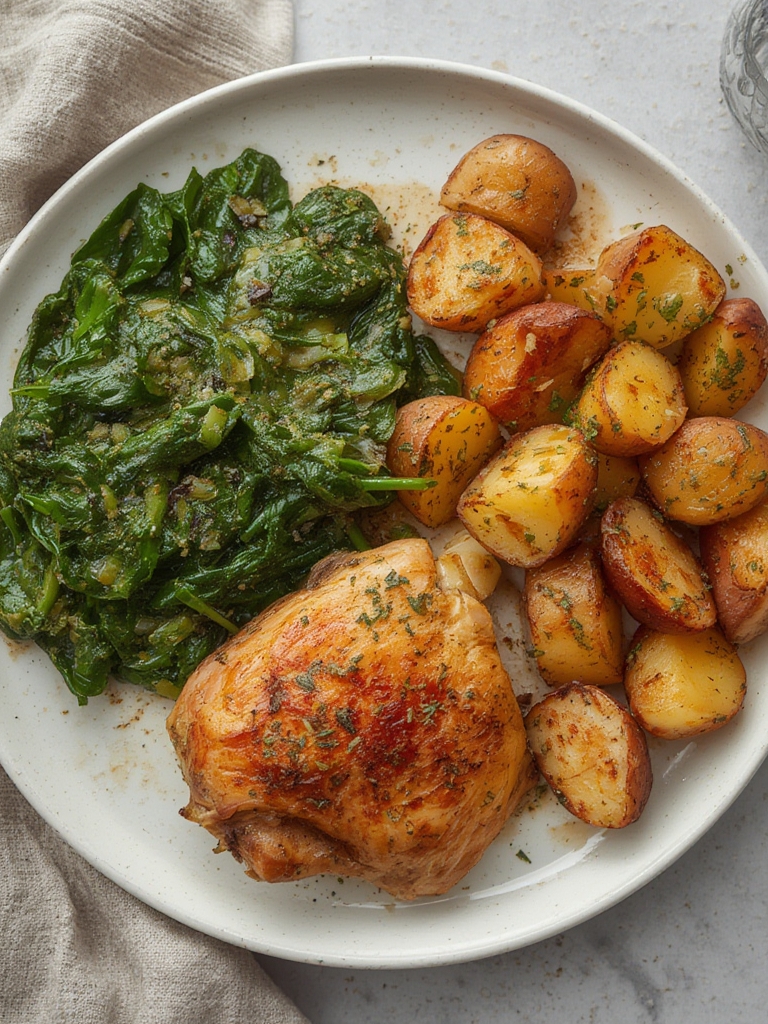
Cooking at home can be both a creative adventure and a daily challenge. By integrating a few smart kitchen hacks, you can streamline prep work, reduce waste, and elevate the flavor of every dish. Below is a data‑driven, step‑by‑step guide that blends practical tricks with easy‑to‑follow techniques, helping you become more efficient, economical, and inspired in the kitchen.
1. Optimize Your Workspace for Speed and Safety
Declutter and Zone Your Counter
- Set up three zones: prep, cooking, and cleanup. Keep knives, cutting boards, and mixing bowls in the prep zone; pots, pans, and utensils in the cooking zone; and dish soap, sponges, and trash bins in the cleanup zone.
- Use a magnetic strip: Mount a magnetic knife strip above the prep zone to free up drawer space and keep blades within easy reach.
- Label containers: Clear, labeled containers for frequently used items (olive oil, spices, grains) cut down on rummaging time by up to 30%.
Prevent Cross‑Contamination
- Designate separate cutting boards for raw proteins, vegetables, and ready‑to‑eat foods. Color‑coded boards (red, green, blue) make it simple to remember.
- Sanitize surfaces with a quick spray of diluted vinegar (1:1 water to vinegar) after each prep session.
2. Master Ingredient Prep with Minimal Waste
Batch‑Prep Fresh Herbs
- Trim stems, place herbs in a single layer on a damp paper towel, and cover with a loose plastic bag. Store in the fridge for up to a week.
- For longer storage, chop herbs, mix with a little olive oil, and freeze in ice‑cube trays. One cube equals a tablespoon of fresh herbs.
Efficiently Use Citrus
- Roll lemons, limes, or oranges on the countertop with firm pressure before juicing. This breaks cell walls and yields up to 20% more juice.
- Save zest in a small, airtight container. Zest adds bright flavor without extra calories and can be frozen for up to three months.
Smart Garlic Peeling
- Place a head of garlic under a saucepan lid and shake vigorously for 15 seconds. The skins will separate, leaving peeled cloves ready to use.
3. Cook Smarter with Temperature and Timing Hacks
Use a Thermometer for Perfect Doneness
- Invest in an instant‑read digital thermometer. For chicken, aim for 165°F (74°C); for medium‑rare steak, 130°F–135°F (54°C–57°C).
- Check temperature 2–3 minutes before the estimated finish time to avoid overcooking.
Reverse Sear for Evenly Cooked Meat
- Start by cooking the meat low and slow in the oven (250°F/120°C) until it reaches 10–15°F below the target temperature.
- Finish with a hot sear in a skillet for 1–2 minutes per side. This method reduces the risk of a gray band in the middle and locks in juices.
One‑Pot Meals to Save Time and Dishes
- Layer ingredients by cooking time: start with aromatics (onion, garlic), add proteins, then denser vegetables, and finally quick‑cook items like leafy greens.
- Use the same pot for sautéing, deglazing, and simmering to keep flavors cohesive and reduce cleanup.
4. Leverage Technology for Consistency
Smart Plug for Timed Cooking
- Connect a slow cooker or rice cooker to a Wi‑Fi smart plug. Schedule it to start 30 minutes before dinner, ensuring hot food without constant monitoring.
Digital Scale for Accurate Measurements
- Weighing ingredients, especially flour and sugar, improves baking consistency by up to 15% compared to volume measurements.
- Use the tare function to measure multiple items in the same bowl, reducing dish count.
5. Preserve Freshness and Extend Shelf Life
Store Greens in a Paper Towel Wrap
- Wrap lettuce, spinach, or kale in a dry paper towel before placing them in a zip‑top bag. The towel absorbs excess moisture, keeping greens crisp for up to two weeks.
Freeze Cooked Grains and Beans
- Portion cooked rice, quinoa, or beans into freezer‑safe bags, flatten them, and label with the date. They thaw quickly in the microwave and retain texture.
6. Quick Clean‑Up Strategies
Soak While You Cook
- Fill pots, pans, and cutting boards with warm, soapy water as soon as you finish using them. A 5‑minute soak reduces stubborn residue, making final cleaning a breeze.
Use a Silicone Baking Mat
- Replace parchment paper with a reusable silicone mat. It prevents sticking, eliminates waste, and can be wiped clean in seconds.
7. Turn Leftovers into New Dishes
Revamp Roasted Veggies
- Blend leftover roasted vegetables with a splash of broth and a dash of cumin to create a hearty soup.
- Alternatively, toss them with olive oil, herbs, and a quick broil for a crispy topping on salads.
Transform Cooked Grains
- Mix cold rice with diced veggies, a protein, and a light vinaigrette for a refreshing grain salad.
- Press cooked quinoa into patties, coat lightly with flour, and pan‑fry for a crunchy snack.
By incorporating these data‑backed kitchen hacks, you’ll cut prep time, minimize waste, and consistently deliver delicious results. The key is to start small—pick one or two tricks, practice them until they become habit, and then layer on additional hacks. Over time, your kitchen will run like a well‑orchestrated system, leaving you more time to enjoy the meals you create.