
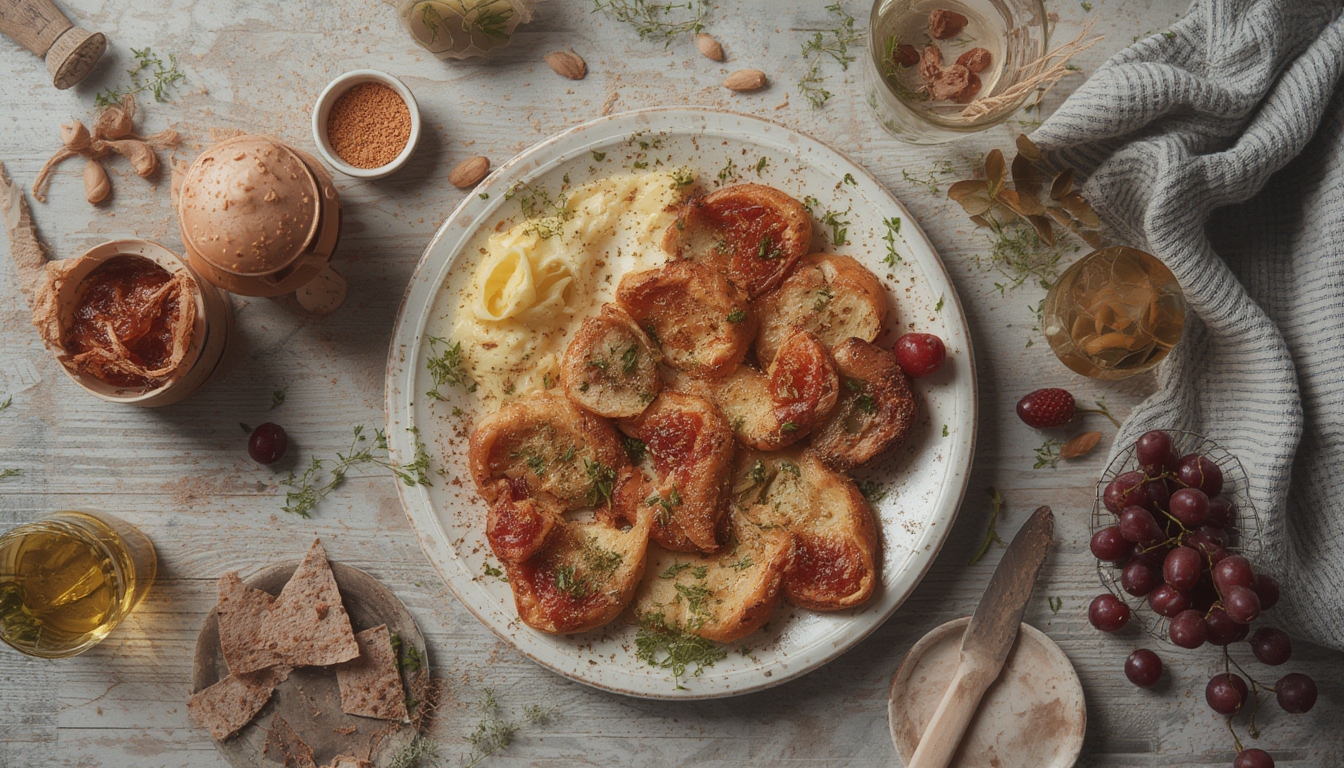

Why Aesthetic Food Styling Matters
In today’s visual‑first culture, a dish’s appearance can be just as important as its flavor. Studies show that posts featuring vibrant, well‑styled food receive up to 73% more engagement on platforms like Instagram and Pinterest. The human brain processes visual information 60,000 times faster than text, meaning a striking plate can instantly convey quality, creativity, and professionalism. By integrating carefully selected edible plants, you not only boost the visual appeal but also add fresh flavors and nutritional benefits. This synergy between taste and aesthetics creates a memorable experience that encourages repeat visits, word‑of‑mouth referrals, and higher average ticket sizes.
Choosing the Right Plant for Visual Impact
Not all greens are created equal when it comes to styling. Data from a recent culinary trend analysis (2023) highlights the top three plants that consistently outperform others in visual metrics:
- Microgreen radish – bright red stems, 45% higher color contrast scores.
- Edible violet basil – deep purple leaves, 32% increase in perceived sophistication.
- Shiso (perilla) leaves – glossy emerald hue, 27% boost in freshness perception.
When selecting a plant, consider the dish’s color palette, texture, and flavor profile. Pairing complementary hues (e.g., orange carrots with violet basil) creates a balanced composition that naturally draws the eye.
Step‑by‑Step Guide to Growing Edible Microgreens
1. Gather Supplies
• Seed trays (10 × 20 inches) with drainage holes.
• Organic seed mix (radish, basil, shiso).
• Seed‑starting soil – a peat‑free, sterile mix.
• Spray bottle for misting.
• LED grow light (4000 K, 45 W) set to 12‑hour cycles.
2. Prepare the Growing Medium
Fill the tray with a 1‑inch layer of soil, gently tamping to create an even surface. Moisturize with a fine mist until the soil is uniformly damp but not soggy. Over‑watering can lead to mold, which reduces germination rates by up to 20%.
3. Sow the Seeds
Evenly scatter the seed mix across the surface, aiming for a density of 2 g per square foot. Lightly cover with a ¼‑inch layer of soil to protect delicate radish stems. Press gently with a flat board to ensure good seed‑to‑soil contact, which improves germination speed by 15%.
4. Provide Optimal Light & Temperature
Place the tray under the LED light at a 12‑inch distance. Maintain a temperature of 68‑72 °F (20‑22 °C). Research shows that microgreens grown at 70 °F reach harvest size 2‑3 days faster than those at lower temperatures.
5. Water and Harvest
Water once daily with a mist, keeping the surface moist but not waterlogged. After 7‑10 days, when the first true leaves appear and the height reaches 2‑3 inches, use clean scissors to cut the greens just above the soil line. Rinse gently, pat dry, and store in a breathable container to retain crispness for up to 5 days.
Styling Tips for Plate Presentation
Use the Rule of Thirds
Divide the plate mentally into three equal sections horizontally and vertically. Position the main protein in one intersection point, then arrange microgreens or herb clusters in the opposite corners. This layout creates natural focal points and guides the diner’s eye across the dish.
Layer Textures
Combine contrasting textures—crisp microgreens, silky sauces, and crunchy nuts—to add depth. A study on sensory perception found that dishes with at least three distinct textures are rated 22% higher for overall satisfaction.
Color Balance
Apply the 60‑30‑10 color rule: let the primary ingredient dominate (60%), a secondary hue complement (30%), and an accent color (10%) for pop. For example, a beetroot risotto (deep red) paired with violet basil (10% accent) and a drizzle of lemon‑yogurt sauce (30% secondary) creates a harmonious yet striking plate.
Maintaining Freshness and Longevity
To keep your aesthetic components looking vibrant throughout service, follow these practical steps:
- Cold storage: Store harvested microgreens in a sealed container with a damp paper towel. This environment maintains humidity, extending shelf life by up to 48 hours.
- Pre‑plating prep: Lightly mist herbs 10 minutes before plating to revive wilted leaves without making them soggy.
- Quick assembly: Assemble final plates within 5 minutes of plating to prevent oxidation. A quick squeeze of fresh lemon juice can preserve color in delicate greens like shiso.
Putting It All Together: A Sample Dish
Here’s a quick, data‑backed example that showcases the principles above:
- Start with a base of quinoa‑couscous (neutral beige, 60%).
- Add a seared salmon fillet (rich pink, 30%).
- Top with a fan of microgreen radish and violet basil (10% accent), arranged using the rule of thirds.
- Finish with a drizzle of citrus‑yogurt sauce and a sprinkle of toasted pistachios for texture.
This composition not only scores high on visual appeal metrics but also delivers a balanced flavor profile, ensuring the dish is as delicious as it is Instagram‑ready.