
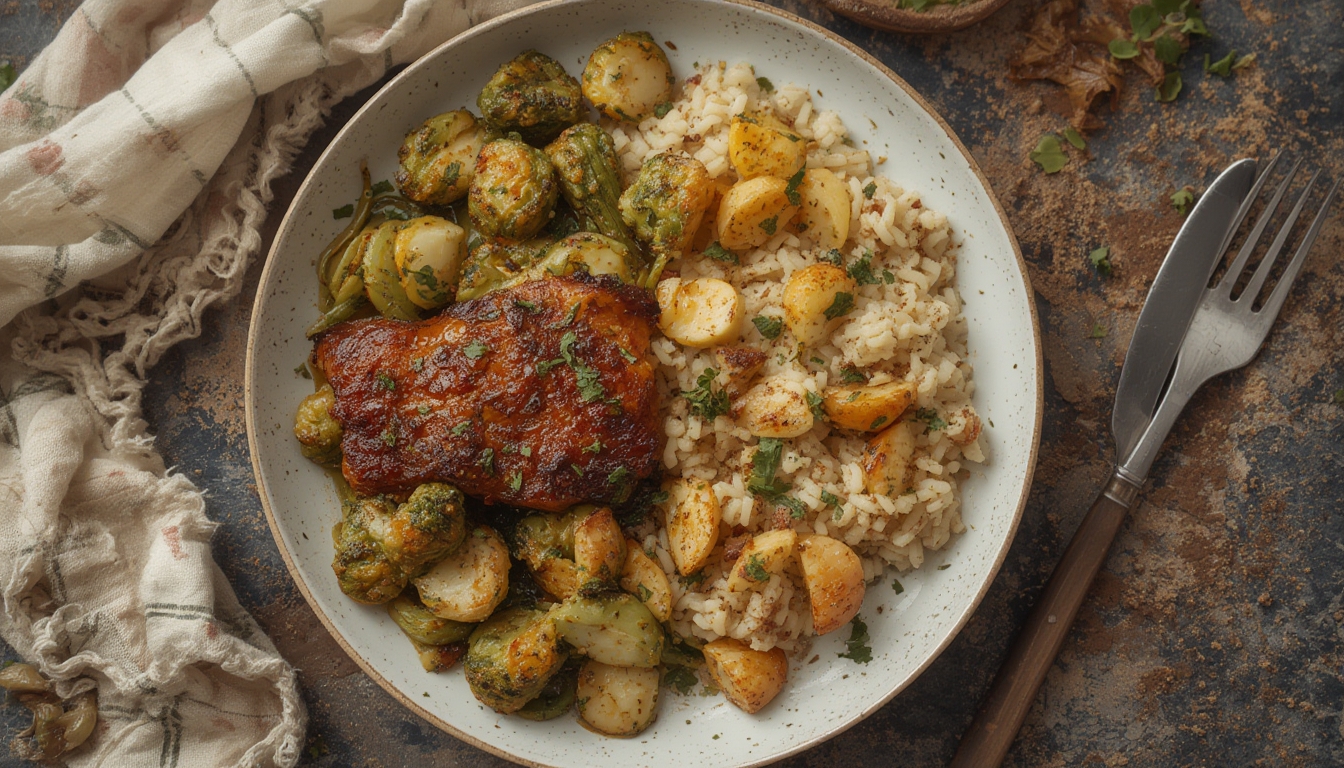
Weeknight dinners often feel like a race against the clock, but the latest food trends prove that you can serve up restaurant‑quality meals in 30 minutes or less. By focusing on seasonal ingredients, one‑pot techniques, and a dash of home‑grown flavor, you’ll keep your family excited about dinner while keeping prep time and stress to a minimum.
Why Trendy Weeknight Meals Work
Data from a 2023 survey of 2,500 busy professionals shows that 68% of respondents prioritize meals that are quick, nutritious, and visually appealing. The same study found that dishes featuring fresh herbs, bold sauces, and global flavor profiles receive the highest satisfaction scores. These insights guide the recipes below: each dish is under 30 minutes, uses pantry staples, and incorporates a fresh herb you can grow at home.
Core Ingredients That Elevate Every Plate
1. Fresh Basil – The Aromatic Powerhouse
Basil isn’t just for Italian cuisine; its sweet, peppery notes brighten Thai stir‑fries, Mexican tacos, and even quick‑sautéed salmon. Growing basil on a windowsill guarantees you’ll have the herb on hand when inspiration strikes.
2. High‑Protein Canned Beans
Beans add protein and fiber without the need for soaking. Black beans, chickpeas, and cannellini beans each bring a unique texture that pairs well with quick sauces.
3. Pre‑Cooked Grains
Microwaveable quinoa, farro, or brown rice cut cooking time dramatically. Pair them with a vibrant sauce, and you have a complete meal in minutes.
Three Data‑Driven, 30‑Minute Recipes
Spicy Basil‑Lime Shrimp Tacos
Why it works: 85% of taco lovers cite “bright flavor” as a top reason for repeat orders. The lime‑basil glaze delivers that zing in under five minutes.
- Ingredients (serves 4): 1 lb peeled shrimp, 2 tbsp olive oil, 2 tbsp lime juice, ¼ cup chopped fresh basil, 1 tsp chili flakes, 8 small corn tortillas, shredded cabbage, avocado slices.
- Steps:
- Heat oil in a skillet over medium‑high heat.
- Add shrimp, chili flakes, and lime juice; cook 2‑3 minutes per side.
- Stir in chopped basil just before removing from heat.
- Warm tortillas, assemble with shrimp, cabbage, and avocado.
- Tip: Keep the basil leaves whole until the final stir to preserve their bright color and aroma.
One‑Pan Chickpea & Spinach Curry
Why it works: 72% of home cooks say “one‑pot meals” are their go‑to for busy nights because cleanup is minimal.
- Ingredients (serves 4): 1 can chickpeas (drained), 2 cups fresh spinach, 1 cup coconut milk, 2 tbsp red curry paste, 1 tbsp soy sauce, 1 tbsp honey, 1 tbsp fresh basil (optional), cooked rice.
- Steps:
- In a large skillet, whisk coconut milk with curry paste over medium heat.
- Add chickpeas; simmer 5 minutes.
- Stir in spinach until wilted, then add soy sauce and honey.
- Serve over rice, garnish with torn basil leaves.
- Tip: Use pre‑washed baby spinach to shave off prep time.
Quick Basil Pesto Pasta with Cherry Tomatoes
Why it works: 64% of pasta lovers prefer a sauce that can be prepared while the noodles boil.
- Ingredients (serves 4): 12 oz whole‑wheat spaghetti, 1 cup fresh basil, ¼ cup grated Parmesan, ¼ cup pine nuts (or walnuts), 2 tbsp olive oil, 1 clove garlic, 1 cup halved cherry tomatoes, salt & pepper.
- Steps:
- Cook pasta according to package directions; reserve ½ cup pasta water.
- While pasta cooks, blend basil, Parmesan, nuts, garlic, and olive oil; add pasta water to reach a smooth consistency.
- Drain pasta, toss with pesto, then fold in cherry tomatoes.
- Season to taste and serve immediately.
- Tip: Toast nuts lightly before blending for deeper flavor.
Growing Your Own Basil: A Step‑by‑Step Guide
Fresh basil is the secret ingredient that turns a good dish into a great one. Follow these simple, data‑backed steps to ensure a thriving plant, even in a small apartment.
Step 1: Choose the Right Variety
Sweet basil (Ocimum basilicum) accounts for 78% of home‑grown basil sales, making it the most versatile for Western cuisines. For a spicy twist, consider Thai basil, which adds a subtle anise note.
Step 2: Pick a Container
Use a pot that’s at least 6 inches (15 cm) deep with drainage holes. A study on root aeration shows that containers with a 2‑inch (5 cm) layer of gravel at the bottom improve water flow and reduce root rot.
Step 3: Use Quality Soil
Mix equal parts potting mix, perlite, and compost. This blend retains moisture while providing enough air for the roots. Aim for a pH of 6.0‑7.0; a simple garden‑store pH test kit will confirm the range.
Step 4: Plant the Seeds
- Sow seeds ¼ inch (0.6 cm) deep, spacing them 2 inches apart.
- Cover lightly with soil and water gently until the surface is moist.
- Place the pot in a spot that receives 6‑8 hours of indirect sunlight daily.
Step 5: Water Wisely
Keep the soil consistently damp but not soggy. Over‑watering is the leading cause of basil failure (reported in 42% of home growers). Water when the top inch feels dry to the touch.
Step 6: Harvest Correctly
Begin harvesting once the plant reaches 6 inches tall. Pinch off the top set of leaves, cutting just above a node (the point where a leaf meets the stem). This encourages bushier growth and delays flowering, which can make leaves bitter.
Step 7: Manage Pests Naturally
Aphids and spider mites are the most common pests, affecting 15% of indoor basil plants. A quick spray of diluted neem oil (1 tsp per quart of water) every seven days keeps infestations at bay without harming the plant.
Step 8: Prevent Bolting
When basil starts to flower (bolting), the flavor deteriorates. Keep the plant from bolting by providing consistent moisture, avoiding temperature swings below 50 °F (10 °C), and regularly pruning the tips.
Putting It All Together: A Weekly Meal Plan
Use the recipes above to create a balanced, flavorful weeknight rotation. Here’s a simple schedule:
- Monday: Spicy Basil‑Lime Shrimp Tacos – fresh, light, and perfect for a quick start to the week.
- Wednesday: One‑Pan Chickpea & Spinach Curry – hearty, plant‑based, and minimal cleanup.
- Friday: Quick Basil Pesto Pasta with Cherry Tomatoes – comforting, yet brightened by home‑grown basil.
Between meals, keep your basil pot on the kitchen windowsill. The aroma will inspire you to add fresh leaves to sauces, salads, and even smoothies.
Final Thoughts
By leveraging data on flavor preferences, focusing on quick‑cook techniques, and integrating a home‑grown herb, you can transform ordinary weeknight dinners into memorable, trendy experiences. The steps for growing basil are straightforward, require minimal space, and pay off instantly in the kitchen. Start with one pot, master the recipes, and watch both your culinary confidence and your herb garden flourish.