
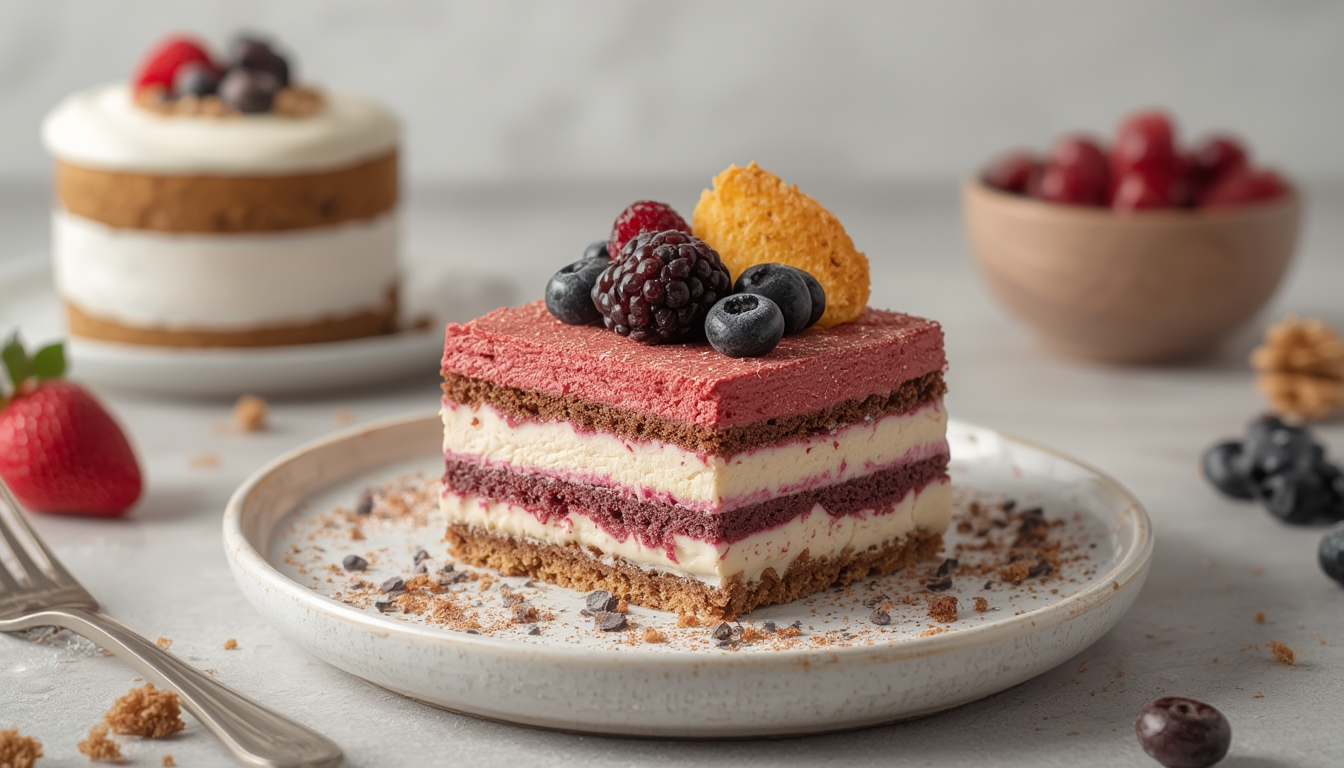
Modern desserts are no longer just about sugar and butter; they are laboratories of flavor, texture, and visual wonder. By blending culinary science with creative intuition, home bakers can craft unforgettable sweet experiences that surprise the palate and delight the eyes. Below is a data‑driven, step‑by‑step guide that walks you through three popular sweet experiments, each broken down into clear actions, practical tips, and troubleshooting notes. Whether you’re a beginner or a seasoned pastry enthusiast, these experiments will expand your dessert repertoire and boost your confidence in the kitchen.
Experiment 1: Nitro‑Infused Fruit Sorbet
Why It Works
Liquid nitrogen instantly freezes fruit puree, creating ultra‑smooth crystals that melt on the tongue without the icy graininess typical of traditional sorbet. The rapid freeze also locks in volatile aromatics, delivering a burst of fresh flavor.
Ingredients (Makes ~4 servings)
- 2 cups frozen mixed berries (strawberries, raspberries, blueberries)
- ½ cup simple syrup (1:1 water‑sugar, heated until dissolved, then cooled)
- ¼ cup fresh lemon juice
- 1 tsp vanilla extract
- Liquid nitrogen (≈ 2 L, handled with proper safety gear)
Step‑by‑Step Process
- Blend the base. Combine frozen berries, simple syrup, lemon juice, and vanilla in a high‑speed blender. Pulse until completely smooth; the mixture should be thick but pourable.
- Prep your safety station. Wear insulated gloves, safety goggles, and work in a well‑ventilated area. Keep a fire extinguisher nearby, even though nitrogen is inert.
- Freeze with nitrogen. Transfer the puree to a stainless‑steel bowl. Slowly pour liquid nitrogen while stirring with a wooden spoon. The mixture will solidify within seconds. Continue stirring until the texture resembles soft‑serve ice cream.
- Serve immediately. Scoop into chilled glasses. Garnish with fresh mint or a dusting of powdered sugar for visual contrast.
Practical Tips & Tricks
- Use a stainless‑steel bowl; other metals can cause uneven freezing.
- Don’t over‑fill the bowl—nitrogen expands rapidly and can overflow.
- If the sorbet becomes too hard, whisk in a splash of cold water to loosen it.
Experiment 2: Deconstructed Lemon Meringue Tart
Concept Overview
Instead of a traditional tart, this experiment separates each component—crust, curd, meringue—into distinct layers that you assemble just before serving. The result is a textural playground that lets diners experience each element individually.
Ingredients
- Crust: 1 ½ cups almond flour, ¼ cup melted butter, 2 tbsp coconut sugar.
- Lemon Curd: ½ cup fresh lemon juice, zest of 2 lemons, ½ cup sugar, 3 egg yolks, ¼ cup butter.
- Meringue: 3 egg whites, ¼ tsp cream of tartar, ¼ cup superfine sugar.
- Fresh berries for garnish.
Step‑by‑Step Process
- Make the crust. Mix almond flour, melted butter, and coconut sugar until a dough forms. Press into a 9‑inch tart pan, then bake at 350°F (175°C) for 12 minutes until golden. Cool completely.
- Prepare the lemon curd. Whisk lemon juice, zest, sugar, and egg yolks in a saucepan. Cook over medium heat, stirring constantly, until the mixture thickens (≈ 5 minutes). Remove from heat, whisk in butter, then strain to remove zest bits. Chill for 30 minutes.
- Whip the meringue. In a clean bowl, beat egg whites with cream of tartar until soft peaks form. Gradually add sugar, continuing to beat until stiff, glossy peaks appear.
- Assemble the deconstruction. Slice the cooled crust into bite‑size squares. Spoon a dollop of lemon curd onto each square, then top with a small mound of meringue. Use a kitchen torch to lightly brown the meringue, creating a caramelized finish.
- Finish. Garnish with a few fresh berries and a light dusting of powdered sugar.
Practical Tips & Tricks
- Keep the crust cool while the curd sets; a warm crust can melt the curd.
- When whisking the curd, maintain a steady temperature—over‑cooking can cause curd to curdle.
- For a stable meringue, ensure no yolk residue is in the egg whites; even a tiny amount can prevent peaks.
Experiment 3: Edible Flower Gelée with Matcha Cream
Flavor & Visual Impact
Combining the subtle earthiness of matcha with the delicate aroma of edible flowers creates a sophisticated dessert that feels both modern and timeless. The gelée provides a bright, translucent canvas, while the matcha cream adds richness.
Ingredients
- 1 cup water
- 2 tbsp agar‑agar powder
- ¼ cup honey or agave syrup
- ½ cup mixed edible flowers (e.g., violets, rose petals, lavender)
- ½ cup heavy cream
- 1 tbsp matcha powder
- 2 tbsp powdered sugar
Step‑by‑Step Process
- Create the flower infusion. Bring water to a boil, add edible flowers, and simmer for 2 minutes. Strain, reserving the liquid.
- Make the gelée. Return the infused liquid to the pot, whisk in agar‑agar, and bring to a boil for 1 minute. Add honey, stir until fully dissolved. Pour into silicone molds and refrigerate for 20 minutes until set.
- Prepare matcha cream. In a chilled bowl, whip heavy cream until soft peaks form. Sift matcha powder over the cream, add powdered sugar, and continue whipping to stiff peaks.
- Plate the dessert. Unmold the gelée onto dessert plates. Spoon a generous dollop of matcha cream beside each gelée piece. Optionally, scatter a few whole edible flowers for extra color.
Practical Tips & Tricks
- Use a precise kitchen scale for agar‑agar; too much will make the gelée rubbery.
- When whisking matcha, sift it first to avoid clumps.
- If the gelée is too soft, increase agar‑agar by 0.5 tbsp and re‑gel.
Final Thoughts
These three modern dessert experiments demonstrate how data‑driven techniques—accurate measurements, controlled temperatures, and precise timing—can elevate everyday sweets into culinary art. By following the clear steps, applying the practical tips, and adjusting variables based on your own kitchen conditions, you’ll consistently produce desserts that surprise and satisfy. Remember, the best part of experimentation is iteration: note what works, tweak what doesn’t, and keep pushing the boundaries of flavor and texture.