

When it comes to healthy and functional cooking, the ingredients you choose can make all the difference. One of the most versatile, nutrient‑dense plants you can both grow at home and transform into delicious meals is kale. Rich in vitamins A, C, K, and a host of antioxidants, kale supports immune health, reduces inflammation, and provides a solid foundation for functional dishes. Below you’ll find a step‑by‑step guide to growing kale, caring for it throughout the season, and turning your fresh harvest into flavorful, health‑boosting recipes.
Why Choose Kale for Functional Cooking?
Kale is a true superfood. Each cup of raw leaves delivers more than 100% of the daily recommended intake of vitamin K, along with significant amounts of calcium, potassium, and fiber. Its phytonutrients, such as glucosinolates, have been linked to detoxification pathways and cancer‑protective effects. Because kale’s flavor ranges from mild to slightly peppery depending on the variety and growing conditions, it adapts well to raw salads, smoothies, sautéed sides, and hearty soups.
Growing Kale at Home
1. Selecting the Right Variety
- Lacinato (Dinosaur) Kale: Dark, crinkly leaves with a milder taste—ideal for raw preparations.
- Curly Kale: Bright green, ruffled leaves that hold up well in cooked dishes.
- Red Russian Kale: Slightly sweeter, with a hint of purple—great for adding color to salads.
Choose a variety that matches your culinary preferences and climate. Most kale types thrive in cool weather, making them perfect for spring and fall planting.
2. Preparing the Soil
Start with a well‑draining garden bed or large container. Kale prefers a pH between 6.0 and 7.0. Amend the soil with:
- 2–3 inches of compost for organic matter.
- ½ cup of aged manure per square foot for nitrogen.
- A light sprinkling of bone meal to boost phosphorus, supporting root development.
Mix thoroughly and water the soil until it feels moist but not soggy.
3. Sowing Seeds
Plant seeds ¼ inch deep, spacing them 12–18 inches apart in rows. If using containers, sow 2–3 seeds per pot and thin to the strongest seedling after germination. Keep the soil consistently moist; germination typically occurs within 5–10 days.
4. Watering and Mulching
Maintain even moisture—kale dislikes drought stress but also cannot sit in waterlogged soil. Water at the base of the plant to keep leaves dry and reduce disease risk. Apply a 2‑inch layer of organic mulch (straw, shredded leaves, or wood chips) to conserve moisture, suppress weeds, and regulate soil temperature.
5. Fertilizing Throughout the Season
After the first true leaves appear, side‑dress with a balanced organic fertilizer (10‑10‑10) every 4–6 weeks. For a quick boost, a liquid kelp extract can be applied every two weeks, enhancing both growth and the plant’s natural flavor compounds.
6. Pest Management
Common pests include aphids, cabbage loopers, and flea beetles. Use these low‑impact strategies:
- Introduce beneficial insects like ladybugs and lacewings.
- Cover seedlings with floating row covers during peak pest periods.
- Spray a mild neem oil solution (1 teaspoon per quart of water) weekly if infestations appear.
7. Harvesting
Begin harvesting when leaves reach 4–6 inches in length. Cut the outer leaves first, allowing the plant to keep producing new growth. For a continuous supply, harvest every 1–2 weeks. If you let the plant bolt (flower), the leaves become bitter—snip off flower stalks promptly to prolong leaf quality.
Storing Fresh Kale
To retain nutrients, wash leaves gently and pat dry. Store in a perforated plastic bag or a produce drawer lined with a paper towel. Kale stays crisp for up to 10 days in the refrigerator. For longer storage, blanch the leaves in boiling water for 2 minutes, shock in ice water, then freeze in airtight bags—perfect for smoothies and soups.
Functional Cooking with Kale
1. Kale‑Infused Smoothies
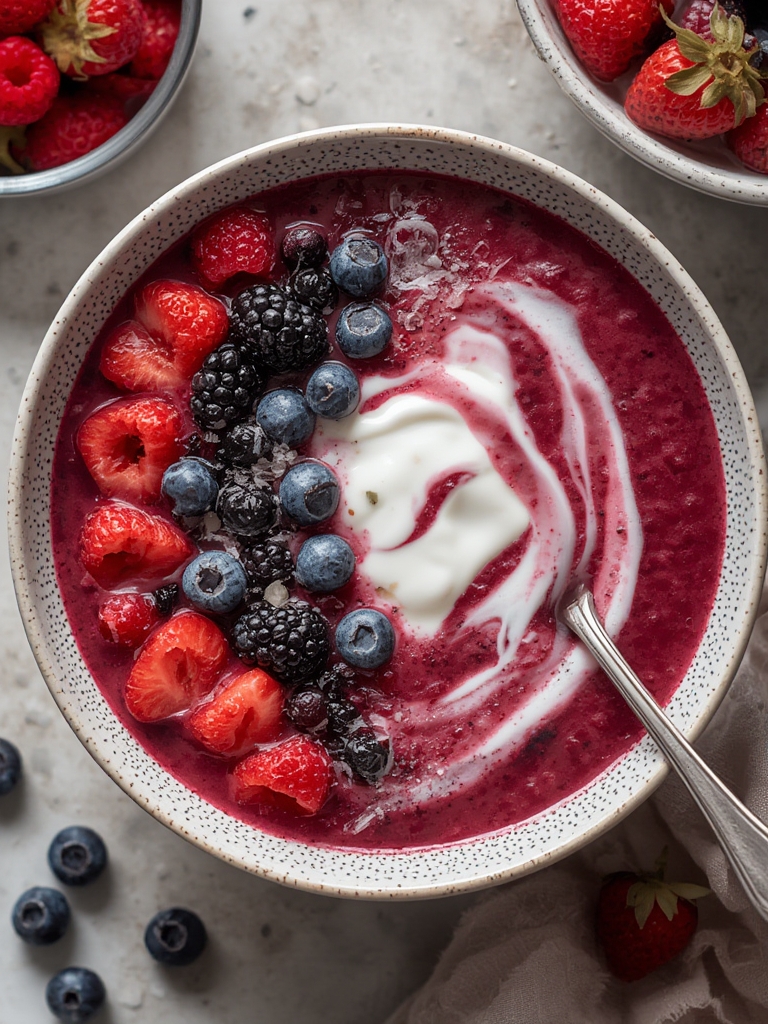
Blend 1 cup of raw kale with a banana, a handful of frozen berries, ½ cup of Greek yogurt, and 1 cup of almond milk. Add a teaspoon of chia seeds for omega‑3s and a dash of cinnamon for blood‑sugar balance. The raw greens stay vibrant, and the smoothie delivers a quick, nutrient‑dense breakfast.
2. Sautéed Kale with Garlic and Lemon
- Heat 1 tablespoon of extra‑virgin olive oil in a skillet over medium heat.
- Add 2 cloves of minced garlic; sauté until fragrant (≈30 seconds).
- Stir in 4 cups of chopped kale, tossing to coat.
- Cover and let steam for 3–4 minutes, then uncover and continue cooking until the leaves are tender and slightly crisp.
- Finish with a squeeze of fresh lemon juice, a pinch of sea salt, and a sprinkle of toasted pumpkin seeds for added crunch and magnesium.
This simple side dish boosts iron absorption (thanks to the lemon’s vitamin C) and provides a satisfying texture.
3. Kale and Quinoa Power Bowl
Combine 1 cup cooked quinoa, 1 cup roasted sweet‑potato cubes, ½ cup chickpeas, and a generous handful of massaged kale (tossed with 1 teaspoon olive oil and a pinch of salt until softened). Drizzle with a tahini‑lemon dressing (2 tablespoons tahini, 1 tablespoon lemon juice, 1 teaspoon maple syrup, water to thin). Top with sliced avocado for healthy fats. This bowl delivers balanced macronutrients and functional fibers that support gut health.
4. Kale‑Based Soup
- In a large pot, sauté 1 diced onion and 2 minced garlic cloves in 2 tablespoons olive oil until translucent.
- Add 4 cups of low‑sodium vegetable broth, 2 cups of diced carrots, and 1 cup of diced potatoes.
- Simmer for 15 minutes, then stir in 3 cups of chopped kale.
- Cook for an additional 5 minutes until kale is wilted.
- Blend half of the soup for a creamy texture, then return to the pot.
- Season with black pepper, a pinch of smoked paprika, and a splash of apple cider vinegar for a bright finish.
This hearty soup supplies antioxidants, fiber, and a comforting warmth perfect for cooler months.
Small Actionable Tips for Ongoing Success
- Rotate Crops: Plant kale alongside beans or peas. Legumes fix nitrogen, enriching the soil for the next kale planting.
- Harvest Early: Younger leaves are less bitter and contain higher levels of vitamin C.
- Use a Sharp Knife: Clean cuts reduce plant stress and prevent disease entry.
- Batch Cook: Prepare a large batch of sautéed kale and store in airtight containers for quick meal additions throughout the week.
- Mind the Weather: In hot climates, provide afternoon shade with a shade cloth to prevent bolting and maintain leaf tenderness.
By integrating these growing practices with functional cooking techniques, you’ll enjoy a continuous supply of fresh, nutrient‑rich kale that enhances both your meals and your overall well‑being. Happy gardening and happy cooking!