
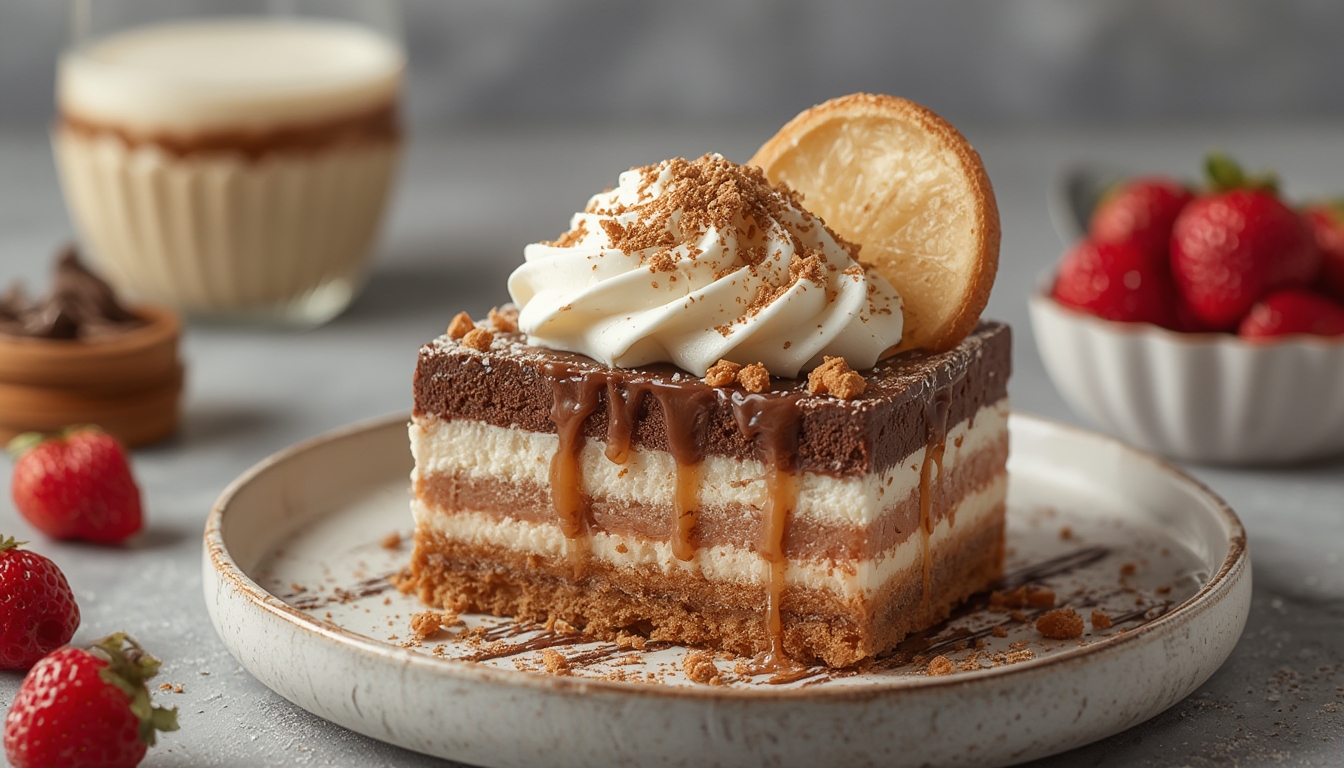
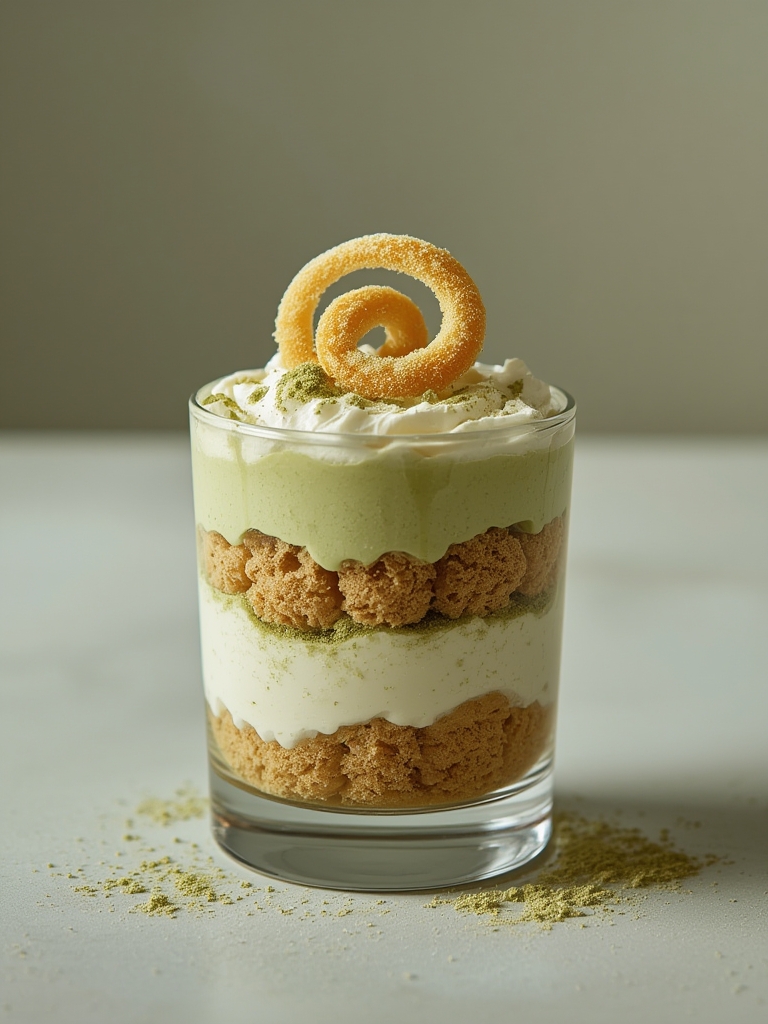
Modern desserts are no longer limited to classic cakes and pies; they are now laboratories of flavor, texture, and visual intrigue. From molecular gastronomy to plant‑based innovations, today’s sweet experiments invite home bakers and professional chefs alike to push boundaries while still delivering approachable, delicious results. In this guide we’ll explore three trending dessert concepts, walk through step‑by‑step recipes, and even dive into a mini‑garden project that supplies fresh, aromatic ingredients straight from your windowsill.
1. Deconstructed Fruit Parfait: Layers of Flavor in a Jar
Deconstruction lets you showcase each component of a dessert while preserving the harmony of the whole. A fruit parfait in a glass jar is perfect for Instagram‑ready presentation and easy portion control.
Ingredients
- 200 g fresh berries (strawberries, blueberries, raspberries)
- 150 g Greek yogurt (plain or lightly sweetened)
- 2 tbsp honey or agave syrup
- 30 g toasted granola
- 1 tsp chia seeds (optional for extra texture)
- Fresh mint leaves for garnish
Step‑by‑Step Instructions
- Prep the fruit. Rinse berries, pat dry, and slice larger strawberries into bite‑size pieces. Toss with half the honey and let sit for 5 minutes to release juices.
- Sweeten the yogurt. In a bowl, blend Greek yogurt with the remaining honey. For a smoother mouthfeel, whisk until airy.
- Assemble the layers. In a 250 ml mason jar, start with a spoonful of yogurt, then add a layer of berries, a sprinkle of granola, and a pinch of chia seeds. Repeat until the jar is full, ending with a final fruit topping.
- Finish with flair. Garnish with a mint leaf and a drizzle of honey. Serve immediately or chill for 30 minutes to let flavors meld.
Tip: Use seasonal fruit for the best flavor and cost efficiency. The chia seeds add a subtle crunch and boost the nutritional profile without overwhelming the palate.
2. Vegan Avocado Chocolate Mousse: Silky, Rich, and Dairy‑Free
Avocado’s buttery texture makes it an ideal base for a velvety chocolate mousse that’s both vegan and nutrient‑dense. The key to success lies in balancing sweetness and cocoa intensity.
Ingredients
- 2 ripe Hass avocados, peeled and pitted
- 60 g dark cocoa powder (unsweetened)
- 3 tbsp maple syrup or coconut sugar
- 1 tsp vanilla extract
- Pinch of sea salt
- Optional: 2 tbsp almond milk for a lighter texture
Step‑by‑Step Instructions
- Blend the avocado. Place avocado flesh in a food processor. Pulse until smooth, scraping the sides as needed.
- Add dry ingredients. Sprinkle cocoa powder, sea salt, and vanilla extract over the avocado. Process again until fully incorporated.
- Sweeten to taste. Drizzle maple syrup gradually, tasting after each addition. Adjust sweetness based on the cocoa’s bitterness.
- Adjust consistency. If the mousse feels too thick, blend in almond milk a tablespoon at a time until you reach a silky, spoon‑able texture.
- Chill and serve. Transfer to serving glasses, refrigerate for at least 20 minutes. Top with fresh berries, toasted coconut flakes, or a dusting of cocoa powder.
Pro tip: Use a high‑speed blender for the smoothest result. The mousse can be prepared up to 24 hours in advance, making it a perfect make‑ahead dessert for gatherings.
3. Growing Your Own Dessert Herbs: Mint, Basil, and Lavender
Fresh herbs elevate desserts with aromatic bursts that store‑bought dried versions can’t match. A small indoor herb garden ensures you have mint for mojitos, basil for strawberry‑basil sorbet, and lavender for honey‑infused panna cotta—all at your fingertips.
Materials Needed
- Three 8‑inch pots with drainage holes
- Well‑draining potting mix (coconut coir + perlite blend works well)
- Seeds or small starter plants of mint, basil, and lavender
- Sunny windowsill (minimum 4–6 hours of direct light)
- Watering can with a fine rose
Step‑by‑Step Growing Guide
Step 1: Prepare the Soil
Fill each pot with potting mix, leaving about 1 cm from the rim. Lightly tamp the soil to eliminate air pockets, then water gently until moisture reaches the bottom of the pot.
Step 2: Plant the Seeds/Seedlings
- Mint: Scatter seeds on the surface, cover with a thin layer of soil (≈ 0.5 cm). Mint spreads quickly, so give it room to expand.
- Basil: Plant seeds 0.5 cm deep, spacing them 2 cm apart. Thin to the strongest seedlings once they have two true leaves.
- Lavender: If using seedlings, plant at the same depth as the original pot. Lavender prefers slightly drier conditions, so avoid over‑watering.
Step 3: Watering Routine
Keep the soil consistently moist for mint and basil during the first two weeks. Use a finger test: if the top 1 cm feels dry, water lightly. Lavender requires the soil to dry out between waterings—check the second inch; if it’s dry, water sparingly.
Step 4: Light and Temperature
Place the pots on a south‑facing windowsill. If natural light is insufficient, supplement with a 12‑hour LED grow light positioned 30 cm above the foliage. Maintain indoor temperatures between 18‑24 °C for optimal growth.
Step 5: Harvesting and Maintenance
- Mint: Snip the top 5 cm of stems once the plant reaches 15 cm. Regular harvesting encourages bushier growth.
- Basil: Harvest leaves just before the plant flowers. Pinch off any flower buds immediately to prolong leaf production.
- Lavender: Cut flower spikes when buds are just opening. Hang them upside down in a cool, dry place to dry for future use in desserts.
Quick tip: Rotate the pots weekly to ensure even light exposure, preventing one side from becoming leggy.
Putting It All Together: A Dessert Trio for Your Next Dinner Party
Now that you have a deconstructed fruit parfait, a silky avocado mousse, and a fresh herb garden, you can create a cohesive dessert experience that showcases modern techniques and garden‑to‑table freshness.
- Start with the parfait. Serve the jars on a slate board, sprinkling a few fresh mint leaves for a pop of color.
- Follow with the mousse. Spoon the avocado chocolate mousse into elegant coupe glasses, garnish with a basil leaf for an unexpected herbal note.
- Finish with lavender‑infused honey. Drizzle a thin stream of lavender honey over the mousse or over a simple vanilla ice cream to tie the flavors together.
By integrating these contemporary dessert ideas with home‑grown herbs, you’ll impress guests with both taste and storytelling. The best part? Each component is adaptable—swap berries for tropical fruit, replace avocado with silken tofu for a different texture, or experiment with other herbs like rosemary or thyme. The modern dessert landscape thrives on curiosity, so keep testing, tasting, and sharing your sweet experiments.