
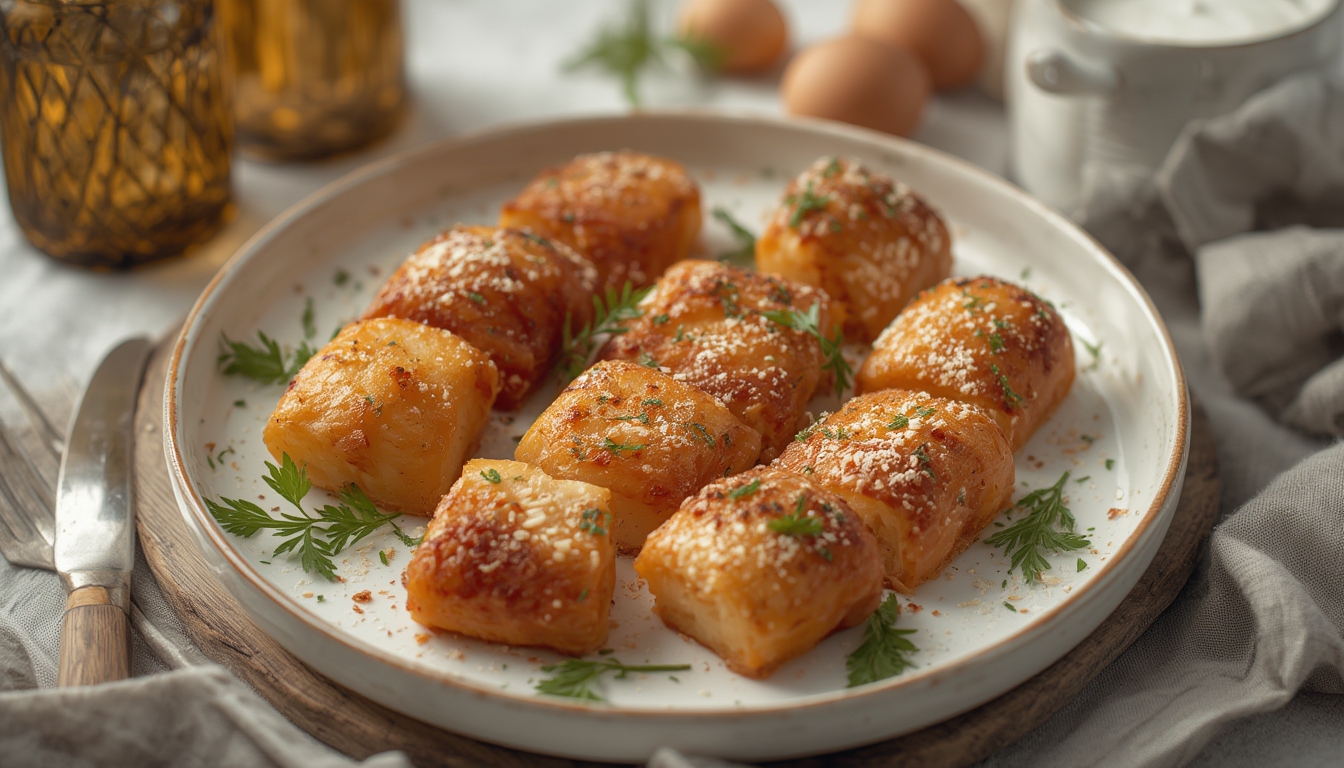

When it comes to creating unforgettable dishes, the visual appeal can be just as important as the flavor. Aesthetic food & styling transforms a simple plate into a work of art, and one of the most effective ways to achieve that visual impact is by incorporating fresh, home‑grown microgreens and edible herbs. Not only do these tiny greens add a burst of color, texture, and aroma, they also give you full control over the quality and consistency of your garnish. Below is a data‑driven, step‑by‑step guide that walks you through selecting, growing, and caring for the perfect microgreen plant to elevate your culinary creations.
Why Choose Microgreens for Aesthetic Food & Styling?
Microgreens are young seedlings harvested just after the first true leaves appear. Studies show that they contain up to 40 % more nutrients than their mature counterparts, making them a healthy addition to any dish. From a styling perspective, they offer:
- Vibrant color palettes – reds, purples, yellows, and deep greens that pop on a plate.
- Delicate textures – tender stems and crisp leaves that add visual contrast.
- Versatile shapes – linear, feathery, or rosette forms that can be arranged in countless ways.
Because microgreens grow quickly (usually 7‑14 days), you can maintain a steady supply for daily plating without the overhead of a full garden.
Choosing the Right Plant for Your Aesthetic Goals
Data from culinary trend reports (2022‑2024) indicate that the most popular microgreens for plating are:
- Radish – bright pink stems and crisp leaves, perfect for a pop of color.
- Basil – deep green, aromatic leaves that complement Italian dishes.
- Pea shoots – sweet, tender, and visually appealing with a light green hue.
- Beet greens – rich magenta stems that add drama to desserts.
Pick a variety that aligns with the dominant color scheme of your menu. For a cohesive aesthetic, grow two complementary species side‑by‑side (e.g., radish for red accents and pea shoots for green balance).
Step‑by‑Step Guide to Growing Edible Microgreens
1. Gather Your Supplies
- Growing tray – shallow, food‑grade plastic or metal tray (10 × 20 inches works well).
- Growing medium – a light, sterile seed‑starting mix or coconut coir.
- Seeds – purchase from a reputable supplier; aim for 1 – 2 ounces per tray.
- Spray bottle – for gentle misting.
- Light source – a south‑facing window or LED grow light (4000‑5000 K, 30‑50 µmol m⁻² s⁻¹).
2. Prepare the Growing Tray
Spread a ½‑inch layer of growing medium evenly across the tray. Lightly tamp it down to create a flat surface, then mist the medium until it’s uniformly damp but not soggy. This initial moisture helps seeds adhere and germinate quickly.
3. Sow the Seeds
For a dense, uniform canopy (ideal for styling), sprinkle seeds evenly over the surface. Use a seed spreader or a small sieve to avoid clumping. Press the seeds gently with a piece of cardboard or the back of a spoon—this ensures good seed‑to‑soil contact without burying them too deep.
4. Cover and Germinate
Place a second tray or a clear plastic dome over the seeded tray to maintain humidity. Keep the covered tray in a dark, warm spot (70‑75 °F / 21‑24 °C) for 2‑3 days. Check daily; the medium should stay moist, not wet.
5. Light Exposure
Once the seeds have sprouted (tiny green shoots appear), remove the cover and move the tray to your light source. Provide 12‑16 hours of light per day. Adjust the height of the LED light so the seedlings receive even illumination without scorching—typically 12‑18 inches above the tray.
6. Watering Technique
Microgreens prefer consistent moisture. Mist the tops lightly 2‑3 times a day, ensuring the medium stays damp but not waterlogged. Over‑watering can cause mold; if you notice a musty smell, reduce misting and increase airflow.
7. Harvest at Peak Freshness
Most microgreens are ready to cut when the first true leaves are 1‑2 inches tall (usually 7‑14 days after sowing). Use clean, sharp scissors to cut just above the growing medium. Harvest in the morning for the best flavor and crispness.
8. Store and Use
Rinse gently with cold water, pat dry with a paper towel, and store in a sealed container with a damp paper towel to maintain humidity. Use within 3‑5 days for optimal texture and color.
Practical Styling Tips Using Your Home‑Grown Microgreens
Now that you have fresh microgreens, here are quick, actionable ideas to integrate them into your plating:
- Color blocking – arrange a line of radish microgreens along one edge of the plate, then contrast with a cluster of pea shoots on the opposite side.
- Texture layering – sprinkle a light dusting of powdered beet greens over a smooth mousse, then top with whole basil microgreen leaves for a multi‑dimensional bite.
- Height variation – use a small ring mold to create a vertical tower of microgreens, adding visual height to flat dishes like tartare.
- Edible brushstrokes – dip a fine brush in a flavored oil and drag it across the plate, then place a few microgreen stems along the line for a painterly effect.
Maintaining a Consistent Supply
To avoid gaps in your styling arsenal, stagger your planting schedule. Start a new tray every 2‑3 days so you always have a mature batch ready to harvest. Track germination times in a simple spreadsheet—record seed type, planting date, and harvest date. Over time, you’ll see patterns (e.g., radish seeds sprout fastest) and can fine‑tune your schedule for maximum efficiency.
Final Thoughts
Integrating home‑grown microgreens into your culinary workflow not only boosts the visual appeal of each dish but also adds a fresh, nutrient‑dense element that diners appreciate. By following the data‑driven steps above—selecting the right plant, mastering the growing process, and applying thoughtful styling techniques—you’ll consistently deliver plates that look as good as they taste. Happy growing, and enjoy the artistic possibilities that Aesthetic Food & Styling brings to your kitchen!